TL;DR

Get garden gear delivered free with Prime
- Fast, free delivery on millions of items
- Prime Video, Amazon Music and more included
- Member-only deals all year
Gardening Know How has featured seven native perennial choices, including coneflowers, bee balm and ostrich fern, for gardens designed to develop over multiple seasons. The report says plants still need suitable conditions and time to establish; it does not provide comparative trial data showing that these are the best choices for every region.
Gardening Know How has published a guide to seven native perennials for gardens intended to gain structure and seasonal interest over time, naming coneflower, coreopsis, pink muhly grass, ostrich fern, bee balm, black-eyed Susan and anise hyssop. The report says the plants can support wildlife and return in subsequent growing seasons, but stresses that gardeners should match each plant to its preferred light and soil conditions.
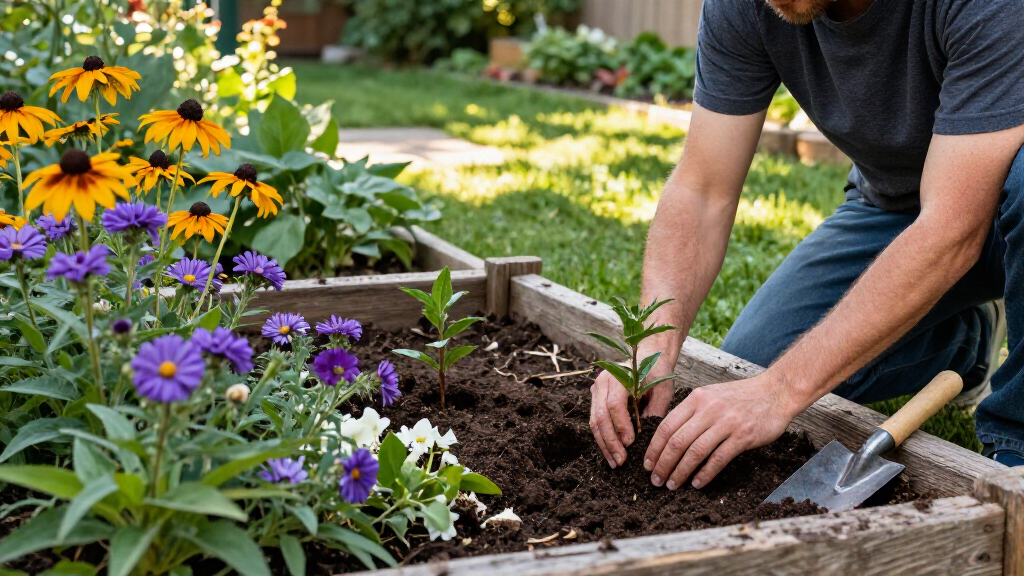
The selection combines flowering plants with grasses and foliage plants. Coneflowers and coreopsis are presented as drought-tolerant options for sunny planting areas. The report highlights purple coneflower for its flowers and later seedheads, which it says can provide food for birds, and the Moonbeam coreopsis for its long season of buttery-yellow blooms.
Pink muhly grass is included for its texture and seasonal appearance rather than traditional flowers. Gardening Know How recommends a sunny position with well-drained soil and warns against wet, poorly drained sites, particularly in winter. Ostrich fern offers a contrasting woodland effect, but needs shade and consistently moist soil, according to the guide.
The remaining choices add flowers and wildlife interest: bee balm for nectar-rich blooms, black-eyed Susan for late-summer color, and anise hyssop for aromatic foliage and tall flower spikes. The report says bee balm attracts hummingbirds and other pollinators, while black-eyed Susan is suited to full sun and a range of soil conditions. It notes that deadheading may extend anise hyssop flowering in some USDA hardiness zones.
A Garden Built for More Than Blooms
The guide’s main point is that a perennial planting can develop over several seasons, rather than requiring gardeners to rebuild the display each spring. Plants that return and fill their allotted spaces can add lasting structure, while a mix of flowering times, foliage and grass texture can keep the garden varied through the growing season.
The choices also address different site conditions: some favor sun and drier soil, while ostrich fern is for shaded, consistently moist areas. That range may help readers plan a mixed garden, but native status alone does not mean every plant will suit every yard. The report also links several picks to food or habitat for pollinators and birds, making wildlife value part of its case for perennial planting.
Popular right now

Apple AirPods Pro (2nd Generation) Wireless Earbuds with USB‑C Charging, Up to 2X More Active Noise Cancelling, Transparency Mode, Adaptive

Samsung 48 4K OLED Smart TV (2026) with WireLogic 8ft Ultra High Speed HDMI Cable

Vitamix VX1 Professional-Grade Blender, 64 oz, Black
As an affiliate, we earn on qualifying purchases.
Seven Plants, Different Site Needs
The source presents the list as a practical gardening recommendation, not as the result of a documented comparative test. Its descriptions focus on appearance, seasonal interest and basic growing conditions, with examples of named varieties such as Magnus purple coneflower, Moonbeam coreopsis and Jacob Cline bee balm.
Although the article calls the plants native, the supplied material does not specify a single geographic region for the list or give a native range for each species. Gardeners generally need to check whether a plant is native to their own locality and whether its light, moisture and soil requirements match the intended site. The source’s central caveat is straightforward: plants need suitable conditions and time to establish before they can provide a reliable, returning display.
“Plant them in the right conditions, give them time to establish”
— Gardening Know How
Local Suitability Is Not Specified
The source does not state when the guide was published, define the geographic area in which all seven plants are considered native, or provide evidence from trials comparing their performance. It also does not give detailed planting instructions, mature sizes or region-by-region care guidance. Claims about drought tolerance, flowering duration and wildlife appeal are presented in the gardening report, not as results from a cited study.
Gardeners should confirm each species’ native status and hardiness for their own location and check specific growing requirements before planting. The article does not address potential concerns such as spread, local wildlife restrictions or whether a particular cultivar has the same ecological value as a local native species.
Check Conditions Before Planting
The report does not announce a follow-up study or other scheduled development. For gardeners using the list, the next step is to match each plant to local conditions: provide sun and drainage for pink muhly grass, and shade with steady moisture for ostrich fern. Confirm regional suitability with a local extension service or native-plant organization, then allow plants time to establish and monitor their growth over successive seasons.
Key Questions
Which seven perennials does the report recommend?
It lists coneflower, coreopsis, pink muhly grass, ostrich fern, bee balm, black-eyed Susan and anise hyssop.
Do all seven plants need full sun?
No. The report describes several as suited to sunny conditions, but says ostrich fern prefers shade and consistently moist soil. Pink muhly grass is recommended for sun and well-drained soil.
Are these plants native everywhere?
The source does not identify a specific region in which all seven are native. Check local native ranges and hardiness before buying or planting them.
How soon will a perennial garden fill out?
The report gives no timetable. It says to allow plants time to establish; the pace depends on the species, site and local growing conditions.
Does the article prove these are the best native perennials?
No. It is a gardening recommendation, not a comparative trial. The supplied report does not include test results or define a region-wide ranking.
Source: gardeningknowhow.com