TL;DR

Get garden gear delivered free with Prime
- Fast, free delivery on millions of items
- Prime Video, Amazon Music and more included
- Member-only deals all year
Interest in repurposing household waste for gardening is rising, with social media trends highlighting creative uses for old toilet paper rolls. Experts confirm these methods are eco-friendly and cost-effective, though some claims remain anecdotal. This trend encourages sustainable gardening practices.
Growing interest in sustainable gardening has led to a viral trend of repurposing household waste, specifically old toilet paper rolls, as gardening tools and plant starters. Social media posts and gardening blogs highlight four popular methods for turning trash into garden treasure, prompting many gardeners to adopt eco-friendly practices. While these ideas are widely shared, their effectiveness is supported mostly by anecdotal evidence.
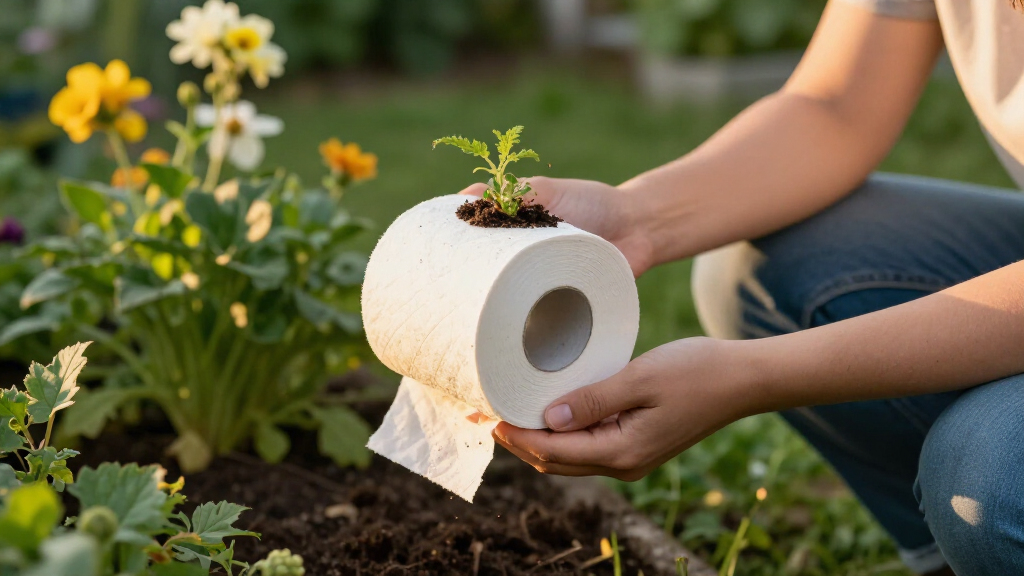
Experts in sustainable gardening confirm that reusing toilet paper rolls can be a practical way to reduce household waste and support plant growth. The four main methods include using the rolls as biodegradable seed starters, creating mini compost bins, making plant supports, and crafting pest barriers. These techniques are praised for their affordability and environmental benefits, with many gardeners noting they help simplify planting routines and decrease plastic waste.
However, it is important to note that much of the current popularity stems from social media trends and anecdotal reports. There is limited scientific research directly validating all claimed benefits, and some gardeners caution that certain practices may require adjustments based on local climate and soil conditions. Despite this, the consensus remains that repurposing household items like toilet paper rolls aligns with eco-conscious gardening principles.
Environmental and Cost Benefits of Toilet Paper Roll Gardening Hacks
This trend promotes sustainable practices by reducing household waste and plastic use in gardening. Reusing common items lowers costs and makes eco-friendly gardening accessible. As awareness of environmental issues grows, such methods contribute to broader waste reduction efforts and encourage eco-conscious lifestyles, especially among younger and environmentally aware gardeners.
Popular right now

Apple AirPods Pro 3 Wireless Earbuds with Active Noise Cancellation

KitchenAid Artisan 5-Qt Tilt-Head Stand Mixer – Dried Rose (KSM150PS)

TCL 43-Inch 4K UHD Smart LED Roku TV (43S435, 2021 Model)
As an affiliate, we earn on qualifying purchases.
Rise of DIY and Eco-Friendly Gardening Trends
The use of household waste in gardening is part of a larger movement towards DIY sustainability practices. Social media platforms have amplified eco-friendly tips, with users sharing innovative reuse ideas. The focus on toilet paper rolls builds on this trend, which gained momentum during the pandemic when people sought cost-effective, environmentally friendly solutions for home gardening. Previously, composting and container gardening were primary sustainability methods, but repurposing household waste like toilet paper rolls is now gaining popularity.
Effectiveness and Long-term Benefits Still Under Review
The long-term effectiveness of these methods remains uncertain, with limited scientific data to confirm their benefits beyond waste reduction. Further research is needed to evaluate their impact across different environments and soil conditions, and to determine the overall horticultural advantages.Monitoring Trends and Scientific Validation of DIY Gardening Hacks
Gardening experts and communities will likely continue testing these techniques, with future studies assessing their efficacy. As adoption increases, manufacturers may develop related products, and environmental organizations might promote or regulate certain practices based on emerging evidence.Key Questions
Are old toilet paper rolls safe for plants?
Yes, when used as biodegradable seed starters, toilet paper rolls are generally safe for plants. They decompose naturally and do not contain harmful chemicals.
Can I reuse toilet paper rolls in outdoor gardens?
Yes, they can be used outdoors, provided they are free of inks or dyes that could leach into the soil. Decomposition rates depend on environmental conditions.
Do these methods really help reduce waste?
Yes, repurposing toilet paper rolls prevents them from ending up in landfills and supports sustainable gardening practices.
Are there any downsides to using toilet paper rolls in gardening?
Potential drawbacks include slower decomposition in cold or wet conditions and the need to ensure rolls are free of inks or chemicals. Adjustments may be necessary based on local climate and soil conditions.
Source: rss