
TL;DR

Get garden gear delivered free with Prime
- Fast, free delivery on millions of items
- Prime Video, Amazon Music and more included
- Member-only deals all year
Country Living’s October rose-care report recommends five preparations for colder weather: leave some flowers to form hips, clear fallen leaves, shorten loose stems, add mulch without feeding, and secure wind-vulnerable roses. The advice is seasonal guidance, not a report of a new horticultural policy or research finding; pruning and protection needs vary by plant and local conditions.
Country Living has outlined five October jobs to prepare roses for winter, including clearing fallen leaves, shortening loose stems, mulching around the roots and securing climbers against wind. The seasonal guidance also advises gardeners to leave some spent flowers to form hips and hold off on feeding or hard pruning until later.
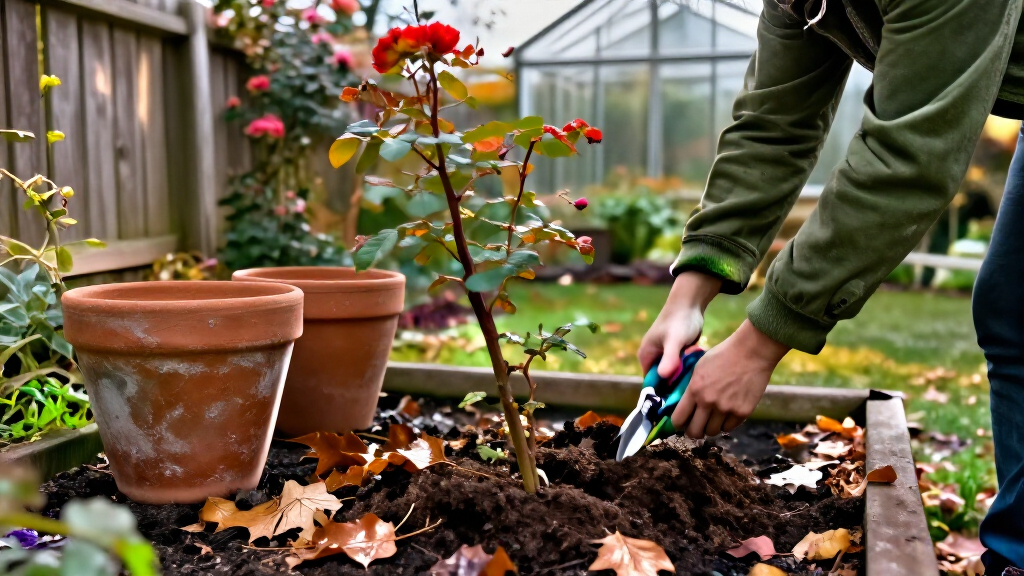
The first two tasks focus on the flower and the ground around the plant. The report advises leaving some spent blooms rather than deadheading every flower, so roses can form hips that add color into autumn and winter. Gardeners should also clear away fallen leaves, particularly those showing signs of black spot, and remove other diseased debris from the bed.
For stems, the article recommends shortening long, loose growth that could be moved by strong winds and removing broken or damaged sections back to healthy growth. It cautions against a hard main prune in autumn. After tidying, gardeners can place well-rotted manure or compost around the base as mulch, keeping it away from the stems. The guide says not to feed roses now, since feeding could encourage soft growth before spring.
The final task is protection from winter weather. The article says climbers and ramblers can be more exposed to strong winds and advises tying them in securely. For roses in pots, it recommends moving them to a sheltered wall, wrapping them and raising the pots on their feet to reduce the chance of the pot freezing. The report does not prescribe one mulch depth or a single protection method for every rose.
Preparing Roses for Cold Weather
The advice is intended to help gardeners protect plants and limit avoidable problems as growth slows. Removing diseased leaves can reduce the amount of infected material left in the garden over winter, while mulch helps cover the root area and can retain moisture. Securing exposed stems and moving containers to shelter address different risks: wind damage above ground and freezing conditions around pots.
The recommendations also distinguish autumn tidying from major pruning. Following that distinction may help gardeners avoid prompting tender new growth before colder weather, while still removing damaged or unstable stems. These are practical seasonal recommendations, not a guarantee that roses will avoid winter damage; outcomes depend on local weather, plant condition and the type of rose.
As an affiliate, we earn on qualifying purchases.
October Rose-Care Guidance
The Country Living report describes October as a period when shorter days and falling temperatures coincide with fewer flowers and roses winding down for winter. Its five tasks are presented as preparation for the colder season, rather than as a fixed calendar that applies identically in every climate.
The advice draws on comments from horticulturist Gail Pabst, marketing director for the National Garden Bureau, and London-based garden designer Oliver Burgess, director of Oliver Burgess Garden Design. Burgess says the main prune should wait until February or March, while Pabst discusses the value of hips and removing diseased leaf debris. The article gives no publication date in the supplied material, so October is the recommended seasonal window rather than a confirmed current event.
“Fungal disease will overwinter in your garden and will be there to greet you if you don’t remove it.”
— Gail Pabst, as quoted by Country Living
As an affiliate, we earn on qualifying purchases.
Advice Depends on Local Conditions
The report does not specify a geographic zone, temperature threshold or exact date for each task, and the suitable timing can vary with local climate and the type of rose. It also does not give a standard mulch depth or detailed wrapping instructions for potted plants. Gardeners should treat the steps as general seasonal guidance and adapt them to their plants and conditions; the supplied source does not report new research or a formal change in horticultural guidance.
As an affiliate, we earn on qualifying purchases.
Tasks Before the Main Prune
For gardeners following the report, the next steps are to clear fallen leaves and debris, tidy unstable stems, mulch without covering the stems, and secure or shelter vulnerable plants as colder weather approaches. The guidance says to defer feeding and the main prune; Burgess identifies February or March as the period for that later pruning. The source gives no further scheduled update, so timing should be adjusted to local conditions.
As an affiliate, we earn on qualifying purchases.
Key Questions
Should all spent rose flowers be removed before winter?
No. The Country Living guide recommends leaving some spent blooms so the plant can form rose hips, which can add color in autumn and winter.
Should roses be hard-pruned in October?
The guide advises against a hard main prune in autumn. It recommends shortening long, loose stems or removing damage, then waiting until February or March for the main prune, as advised by Oliver Burgess.
Should roses be fed before winter?
The report says not to feed roses at this time, because feeding could encourage soft growth before spring. It recommends adding well-rotted manure or compost around the base as mulch instead.
How should potted roses be protected?
Country Living recommends moving pots to a sheltered wall, wrapping them and raising them on their feet to help prevent the pots from freezing. The report does not specify one wrapping material or method for every climate.
Source: rss
Columbus Day / Indigenous Peoples' Day Picks
long weekend sales
As an affiliate, we earn on qualifying purchases.