TL;DR

Get garden gear delivered free with Prime
- Fast, free delivery on millions of items
- Prime Video, Amazon Music and more included
- Member-only deals all year
Planet Natural’s fall-cleanup guide recommends sorting garden material by condition and location: remove debris linked to serious pests or disease, but retain healthy stems, seedheads and clean leaves where they can provide winter habitat. It also advises placing small brush refuges away from buildings and paths. The guidance is practical advice, not a report of a new scientific study or policy change.
Planet Natural’s fall garden cleanup guide recommends removing crop debris associated with serious pest or disease problems while leaving selected healthy stems, seedheads and leaves in place as winter habitat. The approach is designed to reduce material that could carry problems into the next growing season without clearing every garden bed of shelter for wildlife.
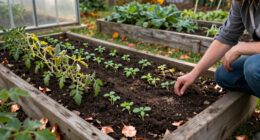
The guide divides cleanup into zones rather than applying one rule to the whole yard. In vegetable beds and known trouble spots, it advises pulling spent plants, gathering fallen fruit and removing debris linked to persistent fungal disease or severe insect problems. Examples include tomato foliage repeatedly affected by blight, squash vines with serious powdery mildew and crop debris that sheltered squash bugs. It also recommends cleaning plant matter from cages, stakes and hand tools before moving them to other beds, and removing weeds that are going to seed.
Disposal depends on the material and local rules. The report says some plant matter may be suitable for a carefully managed hot compost system, but a casual home pile may not reach or maintain temperatures that reduce plant pathogens. For substantial disease problems, it points readers to local extension services or waste-service guidance rather than offering a universal composting rule. Clean beds can then receive a suitable cover crop, clean leaves or another mulch; the advice is not to leave soil bare all winter.
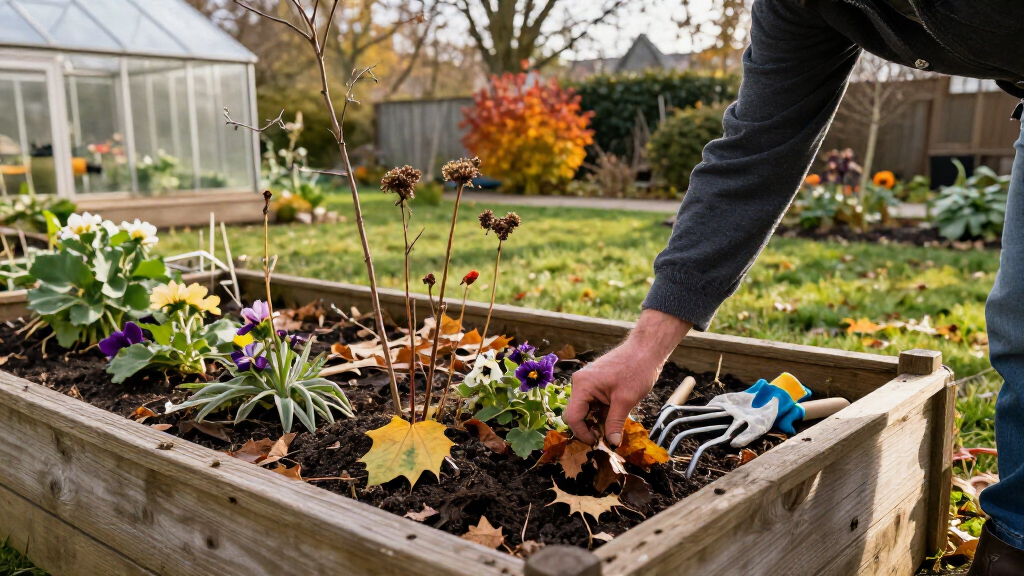
In healthy perennial borders, the guide recommends retaining a selection of sturdy stems and seedheads, including plants such as coneflowers, asters, grasses, sunflowers and sedums. Hollow or pithy stems may provide nesting sites for insects, while dry stalks and attached pupae can offer overwintering shelter. The guide advises removing plants with meaningful pest or disease problems instead of treating them as habitat. Gardeners can also cut back plants that spill into paths while leaving upright stems farther inside the bed.
A Bed-by-Bed Cleanup Strategy
The approach matters because fall cleanup can serve two different purposes: reducing the chance that problem debris remains in a garden, and preserving places where wildlife can shelter through winter. A blanket clear-out may remove healthy stems and seedheads along with diseased plants; leaving all debris in place may preserve material associated with pests or disease. The guide’s central recommendation is to sort by condition and location, rather than treating all plant matter as either waste or habitat.
That distinction also makes the advice more practical for gardens with different needs. Vegetable beds with a history of disease may call for more thorough clearing, while a healthy border can retain selected plants. Clean leaves can be moved from walks, gutters and dense lawn areas to sheltered beds, where a loose layer can provide cover and return organic matter to the soil. The guide cautions against piling leaves against woody trunks or plant crowns, and notes that some open, well-drained soil should remain available for ground-nesting native bees.
For gardeners, this is a way to make cleanup decisions without assuming that tidiness requires removing every stem or that pollinator habitat requires keeping every piece of debris. The report presents these as garden-management recommendations; it does not provide measured evidence that following them will prevent a particular pest outbreak next year.
pollinator garden fall cleanup tools
As an affiliate, we earn on qualifying purchases.
As an affiliate, we earn on qualifying purchases.
Four Zones, Different Tasks
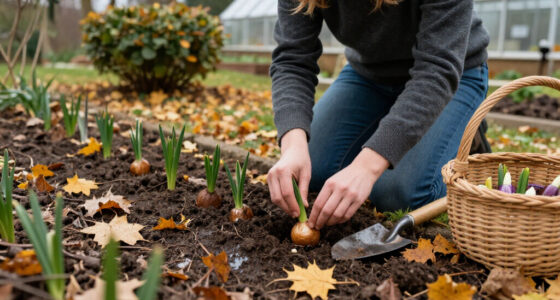
The guide’s remaining zones address leaves and woody material. It recommends raking clean, disease-free leaves from walks and gutters, then spreading them loosely beneath shrubs or around established perennials. It warns against using foliage affected by serious foliar disease as though it were ordinary mulch. It also recommends leaving some ground uncovered rather than placing a dense layer of leaves or chips everywhere.
A small pile of clean branches and coarse stems can provide shelter in a garden corner, according to the report. It should be modest and placed away from houses, fences, paths, fire-safety areas and existing woodpiles or pest concerns. Diseased branches, weed seedheads and infested crop debris should be handled separately. The guide suggests walking the garden with one container for clean material and another for pest- or disease-heavy debris, then photographing the zones to help with spring planning.
As an affiliate, we earn on qualifying purchases.
Limits of the Garden Advice
The supplied report does not give a publication date, cite a specific trial or quantify how much the recommended practices reduce pest or disease problems. Its advice should not be read as a guarantee that removing particular debris will prevent next year’s pests. Outcomes can depend on the pest, disease, plant and local conditions, and the material’s disposal requirements may differ by location.
The guide also does not name a single composting method or temperature that applies to all diseased plant material. It specifically cautions that a casual home compost pile may not reduce pathogens and directs readers facing substantial disease to local extension or waste-service advice. Which stems, leaves or branches are appropriate to retain will likewise depend on whether they are healthy and whether their placement creates practical concerns.
As an affiliate, we earn on qualifying purchases.
How Gardeners Can Apply It
The report offers a sequence rather than a fixed calendar: inspect the garden, clear spent crops and fallen fruit from problem beds, and separate diseased or pest-heavy debris from clean material. Gardeners can then retain sound stems in suitable borders, relocate clean leaves without packing them against trunks or crowns, and choose a modest, safe location for any brush refuge. Local rules and advice should guide disposal when plant disease has been substantial.
There is no follow-up study or specific next milestone identified in the supplied material. The guide suggests photographing the garden’s cleanup zones so they can be reviewed in spring. Any effect on pests or wildlife would need to be judged over time and will vary with local conditions.
As an affiliate, we earn on qualifying purchases.
Key Questions
Should all perennial plants be cut back in fall?
No. The guide recommends leaving selected healthy, sturdy stems and seedheads in perennial borders, while removing plants with significant pest or disease problems and cutting back plants that obstruct paths.
Can diseased garden debris go in a home compost pile?
Not necessarily. Planet Natural says a casual home pile may not reach or maintain temperatures that reduce plant pathogens. For substantial disease problems, check local extension or waste-service guidance before deciding how to dispose of the material.
Where should clean fallen leaves go?
The guide suggests spreading clean, disease-free leaves loosely beneath shrubs or around established perennials. Keep leaves away from woody trunks and plant crowns, and leave some suitable ground uncovered.
Where is a brush refuge safe to place?
Use a modest pile of clean branches and coarse stems in an out-of-the-way garden corner. Keep it away from buildings, fences, busy paths and fire-safety areas, and separate it from woodpiles or places where pests are already a concern.
Source: rss
Fall Picks
fall essentials
As an affiliate, we earn on qualifying purchases.