
TL;DR

Get garden gear delivered free with Prime
- Fast, free delivery on millions of items
- Prime Video, Amazon Music and more included
- Member-only deals all year
Gardeners can divide five overgrown perennials this August to produce free plants for next season and keep their gardens tidy. Experts recommend specific plants and techniques for successful division.
Gardeners can now divide five overgrown perennials this August to produce free plants for next year and create a more organized, manageable garden space. Experts emphasize that proper division during this period can lead to healthier plants and significant cost savings, making it a timely and practical gardening strategy.
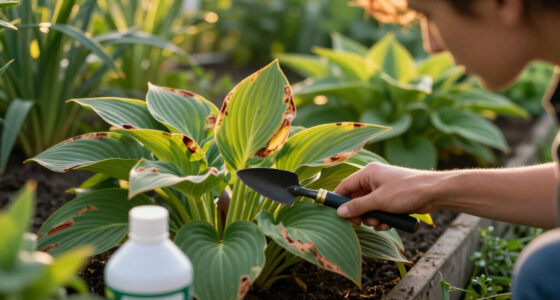
According to horticultural specialists, five perennials—bearded iris, hostas, daylilies, peonies, and sedum—are ideal candidates for division in August. Dividing these plants now allows gardeners to propagate new plants at no cost, reducing the need to purchase new ones in spring. Proper division involves carefully digging up the plants, separating the root clumps into sections with healthy roots and shoots, and replanting them immediately. This process not only provides free plants for the following year but also helps prevent overcrowding, which can lead to disease and poor growth.
Experts recommend using clean, sharp tools to divide the plants and ensuring each division has sufficient roots and foliage. After replanting, applying mulch and watering thoroughly will support establishment. Gardeners are advised to avoid division during extreme heat or drought conditions to minimize stress on the plants. This practice is especially beneficial for overgrown perennials that have become crowded or less vigorous, as dividing them can rejuvenate their growth and flowering potential.
Why Dividing Perennials This August Matters for Gardeners
Dividing perennials in August offers multiple benefits for gardeners. It provides an easy, cost-effective way to expand plant collections without additional expense, especially as many plants are at their peak growth phase. Additionally, dividing overgrown perennials improves garden aesthetics by creating a more orderly appearance and reducing plant crowding, which can hinder airflow and increase disease risk. For gardeners aiming for sustainable practices, this method reduces waste and reliance on purchasing new plants, supporting eco-friendly gardening. Moreover, well-maintained, divided perennials tend to be healthier and more resilient, leading to better flowering and overall garden vitality in the following seasons.
As an affiliate, we earn on qualifying purchases.
Timing and Techniques for Dividing Perennials in August
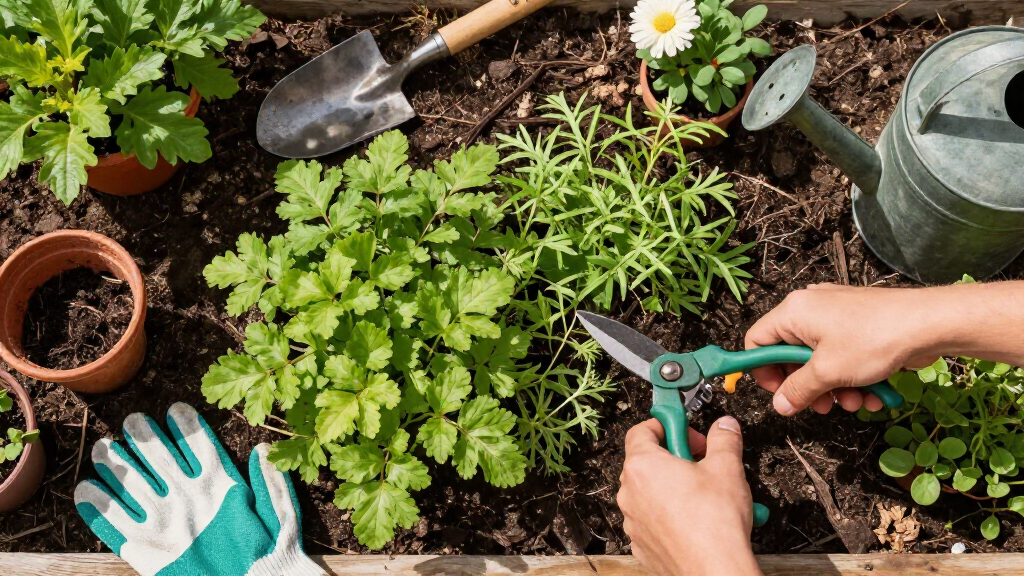
August is considered an ideal time for dividing many perennials because the plants are still actively growing but have finished flowering, making it easier to handle root systems without causing excessive stress. Traditionally, late summer or early fall is recommended for dividing perennials, as it allows the plants to establish new growth before winter. The process involves carefully digging around the plant, lifting it from the ground, and gently separating the root clumps using a sharp spade or knife. Each division should include roots, shoots, and enough foliage to support growth. After division, replant immediately in prepared soil, water thoroughly, and mulch to conserve moisture.
While these techniques are widely recommended, specific care may vary depending on the plant species. For example, peonies prefer to be divided in late summer, whereas daylilies can be divided in early August. Gardeners should also consider local climate conditions and avoid dividing during periods of extreme heat or drought, which can hinder plant recovery. This practice aligns with sustainable gardening principles by encouraging propagation and reducing waste.
As an affiliate, we earn on qualifying purchases.
Uncertain Aspects of August Perennial Division
While experts recommend dividing certain perennials in August, specific timing and techniques may vary depending on local climate, soil conditions, and plant health. It is not yet clear whether all gardeners will achieve successful propagation, especially in regions experiencing drought or extreme heat. Additionally, some plants may respond differently to division, with certain species requiring more precise timing or care. Ongoing research and experience will help refine best practices for different conditions, but immediate results may vary based on individual circumstances.
garden mulch and watering supplies
As an affiliate, we earn on qualifying purchases.
As an affiliate, we earn on qualifying purchases.
Next Steps for Gardeners Planning to Divide Perennials
Gardeners interested in dividing perennials should prepare by gathering sharp, clean tools and selecting healthy, overgrown plants. It is advisable to divide plants during early August, avoiding extreme heat. After division, replant divisions promptly, water thoroughly, and mulch to support establishment. Monitoring the newly divided plants for signs of stress or disease will be important, especially during the first few weeks. Gardeners can document their results to refine techniques for future years. This practice can be repeated annually or biennially to maintain a healthy, vibrant garden while reducing costs.
As an affiliate, we earn on qualifying purchases.
Key Questions
Which perennials are best for dividing in August?
Experts recommend dividing bearded iris, hostas, daylilies, peonies, and sedum during August, as they respond well to this timing and benefit from rejuvenation.
How do I know if my perennial needs dividing?
If a plant has become overcrowded, with fewer flowers or reduced vigor, it likely needs dividing. Signs include crowded foliage, thin stems, or plants that are difficult to manage.
Can I divide perennials in late summer in my climate?
Yes, August is generally suitable in many regions, but gardeners should consider local climate conditions, avoiding division during extreme heat or drought to minimize stress on plants.
What tools do I need for dividing perennials?
Use a sharp spade or garden knife, pruning shears, and gloves. Ensuring tools are clean reduces the risk of disease transmission between plants.
Will dividing perennials harm the plant?
If done carefully with proper timing and technique, dividing perennials can rejuvenate plants without harm, leading to healthier, more vigorous growth.
Source: rss
Fall yard work Picks
leaf blowers
As an affiliate, we earn on qualifying purchases.