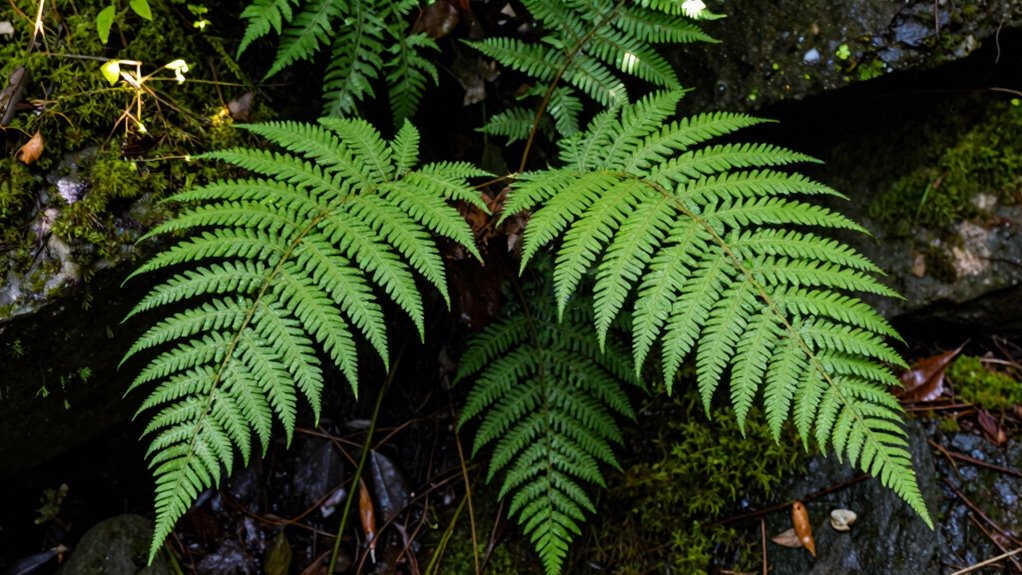

Focusing on fern habitats rather than just species names helps you gain a deeper understanding of their ecological roles and the health of ecosystems. By observing where ferns thrive—like shaded, moist areas—you can see how they contribute to soil stability and support diverse life. Recognizing these habitats highlights their importance in ecosystem balance and conservation efforts. Keep exploring, and you’ll uncover even more about the essential connections within these natural spaces.

Get garden gear delivered free with Prime
- Fast, free delivery on millions of items
- Prime Video, Amazon Music and more included
- Member-only deals all year
Key Takeaways
- Focusing on habitats provides ecological context, making fern identification more meaningful than just memorizing species names.
- Understanding fern habitats reveals their roles in soil stability, water retention, and ecosystem health.
- Learning habitats highlights conservation priorities by identifying critical ecological niches and threatened environments.
- Recognizing habitat diversity demonstrates how different ecosystems support various fern species and biodiversity.
- Emphasizing habitats fosters a holistic approach to fern learning and conservation efforts.
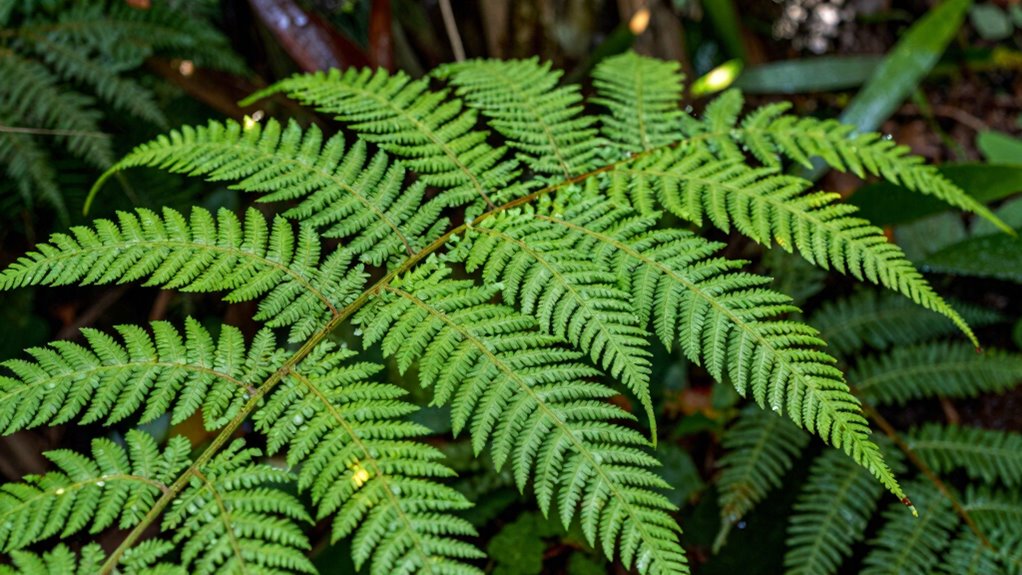
Have you ever wondered if there’s a smarter way to learn about ferns? Instead of memorizing endless species names, focusing on their habitats can give you a deeper understanding of their significance and how to protect them. Ferns play essential ecological roles in their environments—they help retain soil, prevent erosion, and support a diverse web of life. By observing where ferns thrive, you gain insight into the health of ecosystems and the conditions that sustain them. For example, many ferns flourish in shaded, moist areas, indicating the presence of healthy forests with ample water flow. Recognizing these habitats allows you to appreciate the broader ecological importance of ferns and their contribution to biodiversity. Understanding biodiversity helps us see the interconnectedness of all living things and underscores the importance of conserving entire ecosystems. Learning about ferns through their habitats also makes conservation efforts more effective. When you understand which environments support specific fern species, you can better grasp the importance of habitat preservation. Fern conservation strategies often involve protecting these key areas—whether it’s maintaining forest understories or safeguarding wetlands—since these habitats are essential for fern survival. Additionally, understanding the ecosystem dynamics can help identify critical areas that need urgent protection. Recognizing the interdependence among species and their habitats emphasizes the delicate balance required for ecosystem health. Exploring habitat diversity reveals how different environments sustain a wide variety of fern species, highlighting the importance of conserving varied ecological niches. Instead of trying to memorize individual species, you focus on conserving the ecosystems that nurture them. This approach encourages a more holistic perspective, emphasizing the interconnectedness of species and their environments rather than isolated facts. It also helps you identify threats like deforestation, pollution, or climate change, which directly impact the habitats that ferns depend on.
As an affiliate, we earn on qualifying purchases.
Frequently Asked Questions
How Do Ferns Adapt to Different Climates Worldwide?
You’ll notice that ferns adapt to different climates through their remarkable fern climate adaptability, allowing them to survive in diverse environments. They thrive in humid rainforests, temperate forests, and even arid regions by adjusting their moisture needs and growth patterns. Their global habitat diversity showcases their ability to adapt to various conditions, whether in cool mountain areas or warm coastal zones. This flexibility helps ferns flourish worldwide, regardless of climate differences.
What Are Common Mistakes Beginners Make When Identifying Ferns?
When doing fern identification, you often mistake common misidentifications for different species, especially if you focus only on frond shape or color. You might overlook habitat clues or ignore key features like sori patterns. Beginners tend to rush, skipping careful examination of leaflets or spore arrangements. To improve, take your time, compare multiple sources, and pay close attention to habitat, which is essential for accurate fern identification.
Can Fern Habitats Change Over Time Naturally?
Yes, fern habitats can change naturally over time, like a river’s course shifting. Ecological succession gradually alters environments, allowing some ferns to thrive while others fade. Habitat fragmentation, caused by natural events like storms, also impacts fern distribution. These changes keep habitats dynamic, so while you might find a fern in one spot today, it could move or disappear tomorrow as the ecosystem evolves naturally.
How Does Soil Type Influence Fern Growth?
Soil type greatly influences fern growth since it affects soil composition and drainage requirements. You’ll find ferns thrive best in moist, well-draining soil rich in organic matter. Heavy clay soils may retain too much water, risking root rot, while sandy soils drain quickly, possibly drying out the roots. By choosing soil with the right balance of moisture retention and drainage, you help your ferns grow healthy and vibrant.
Are There Specific Environmental Threats to Fern Habitats?
Yes, there are specific threats to fern habitats. Pollution impacts air and water quality, harming delicate ferns and their ecosystems. Deforestation effects, such as land clearing and logging, destroy their natural environments, reducing available habitat. You should be aware that these threats can lead to declining fern populations. Protecting their habitats from pollution and deforestation is essential to guarantee their survival and maintain biodiversity.
As an affiliate, we earn on qualifying purchases.
Conclusion
By focusing on habitat before species names, you reveal a deeper understanding of ferns—like discovering a secret passage rather than just reading a map. This approach helps you see their true nature and relationships, making your learning more meaningful and memorable. Remember, knowing where a fern lives is like holding the key to its story—without it, the details are just shadows. Embrace habitat first, and watch your fern knowledge flourish—it’s the compass guiding you to true understanding.
As an affiliate, we earn on qualifying purchases.
ecosystem soil stabilization plants
As an affiliate, we earn on qualifying purchases.
As an affiliate, we earn on qualifying purchases.
Fall Picks
fall essentials
As an affiliate, we earn on qualifying purchases.