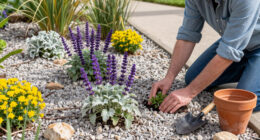
Many backyard “pests” like dandelions, chickweed, and purslane are actually highly nutritious and edible weeds you can harvest today. They’re rich in vitamins, omega-3s, and flavor, making them perfect for salads, sautés, or garnishes. By harvesting these invasive plants, you help control their spread while adding healthy variety to your meals. Keep exploring to discover more about how these common weeds can become your new kitchen staples.

Get garden gear delivered free with Prime
- Fast, free delivery on millions of items
- Prime Video, Amazon Music and more included
- Member-only deals all year
Key Takeaways
- Many common weeds like dandelions, chickweed, and purslane are safe, nutritious, and edible, turning backyard pests into healthy food.
- Proper identification and harvesting from clean areas are essential to avoid toxic lookalikes and pesticide contamination.
- Invasive weeds can be controlled by harvesting, reducing their spread while providing a sustainable food source.
- Edible weeds offer versatile culinary options, including salads, sautés, soups, and garnishes, enriching your diet naturally.
- Incorporating backyard weeds promotes eco-friendly foraging, supports native ecosystems, and minimizes food waste.

Have you ever considered that the weeds growing in your yard might be more than just unwanted plants? Many of these so-called pests are actually edible and can be a valuable addition to your diet if you know how to identify and harvest them. When you start exploring the world of edible weeds, you’ll discover that some invasive species, often labeled as nuisances, are packed with nutrients and flavor. The key is knowing foraging tips that help you distinguish between safe, tasty plants and those that could be harmful.
First, get familiar with common invasive species like dandelions, chickweed, and purslane. These plants tend to grow aggressively, but instead of pulling them out and discarding them, you can harvest their leaves, stems, and flowers to add variety to your meals. Dandelion greens, for example, are rich in vitamins A, C, and K and have a slightly bitter taste that complements salads or sautés. Chickweed offers a mild flavor and is great in sandwiches or as a garnish, while purslane is high in omega-3 fatty acids and can be added to soups or eaten raw.
Harvest invasive species like dandelions, chickweed, and purslane for nutritious, tasty, and eco-friendly meals.
When foraging for edible weeds, it’s vital to follow specific tips to guarantee safety. Always verify plant identification with a reliable guide, especially since some invasive species resemble toxic plants. Avoid harvesting weeds near busy roads or areas treated with pesticides, as they can absorb harmful chemicals. It’s best to pick plants from your own yard or places you know are free of pollutants. Use clean tools and wash your harvest thoroughly before consuming. Also, start small — taste a tiny piece first to see how it agrees with you. Additionally, understanding invasive species can help you make informed decisions about which plants are safe to harvest and incorporate into your diet.
Understanding invasive species is also essential because many of these plants have spread rapidly, outcompeting native flora. While they might be unwelcome in your yard as unwanted weeds, they’re often incredibly nutritious and can be harvested sustainably. Incorporate these plants into your meals to reduce waste and take advantage of their nutritional benefits. Plus, by harvesting invasive species, you help curb their spread and protect native ecosystems.
Popular right now

Bose QuietComfort Wireless Noise-Cancelling Over-Ear Headphones, Black

Samsung 42-Inch S90H OLED 4K Smart TV Bundle
Dyson Car+Boat Cordless Handheld Vacuum
As an affiliate, we earn on qualifying purchases.
Frequently Asked Questions
Are All Weeds Safe to Eat?
Not all weeds are safe to eat, so you should be cautious with weed management. Some edible weed myths suggest you can eat any plant labeled as a weed, but that’s not true. Always identify plants carefully before consuming them, and avoid weeds treated with chemicals. Doing your research helps you enjoy safe, nutritious wild foods, turning backyard pests into tasty, healthy additions to your diet.
How Can I Identify Edible Weeds Accurately?
To identify edible weeds accurately, focus on proper plant identification techniques. Use a reliable field guide or app, noting key features like leaf shape, flower color, and growth habit. Always double-check your findings to confirm foraging safety, as many plants look similar but aren’t safe to eat. Practice regularly and consult experienced foragers or local experts to boost your confidence and avoid dangerous misidentifications.
What Are the Best Ways to Prepare Edible Weeds?
To prepare edible weeds, start with foraging tips like thoroughly washing them to remove dirt and bugs. You can sauté, add them to salads, or blend into smoothies for versatile flavor pairings. Experiment with herbs like garlic or lemon to enhance their taste. Always taste a small amount first to gauge flavor intensity. Cooking or raw, these weeds can boost your meals while making the most of backyard “pests.”
Do Edible Weeds Have Any Health Risks?
You can’t judge a book by its cover, but with edible weeds, it’s wise to be cautious. While many are safe and nutritious, toxicity concerns and allergy considerations exist. Some weeds may contain compounds that cause adverse reactions or aren’t suitable for everyone. Always identify plants accurately, start with small amounts, and consult reliable sources or experts to avoid any health risks, ensuring you enjoy their benefits safely.
When Is the Best Season to Harvest Edible Weeds?
You should aim for seasonal harvesting of edible weeds during their peak growth for the best flavor and nutritional value. The ideal timing varies by plant—spring is great for young dandelions and chickweed, while late summer suits purslane and amaranth. Monitoring plant maturity ensures you pick at the right moment, maximizing taste and health benefits. Keep an eye on local conditions and plant cycles for the most successful harvests.
Conclusion
So, next time you see those pesky weeds sprouting in your yard, think of them as nature’s hidden treasures just waiting to be discovered. With a little curiosity and a sharp eye, you can turn your yard into a colorful buffet of edible wonders. Don’t let these wild plants go to waste—embrace them like old friends and watch your garden become a delicious, thriving jungle where every weed has a story to tell.