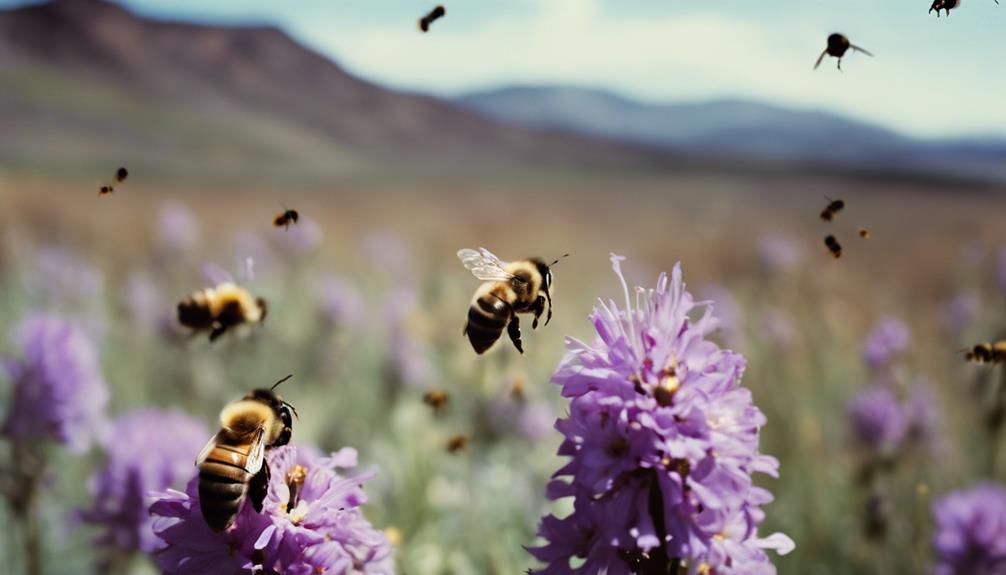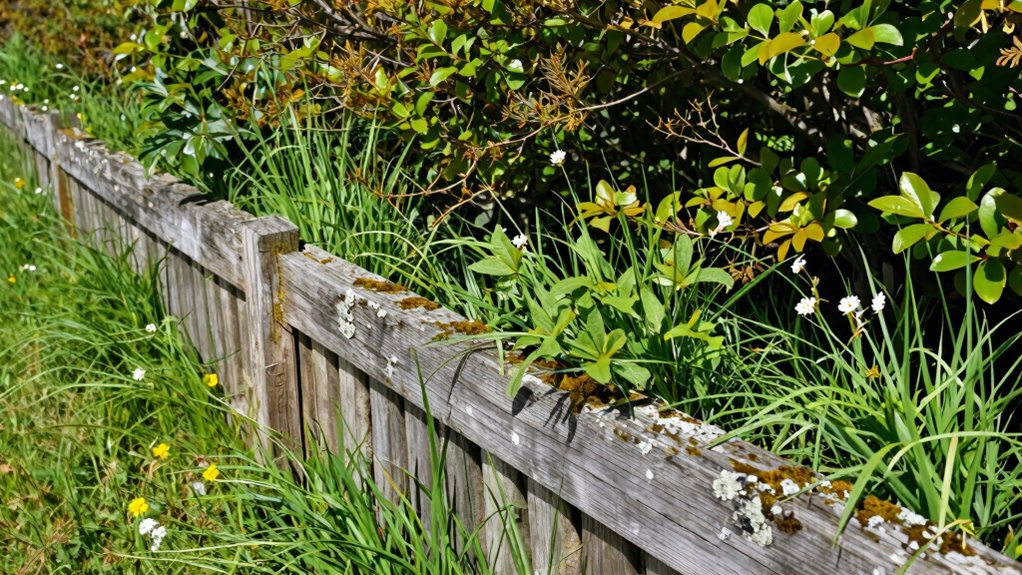

The fence-line effect boosts farm productivity by creating edge habitats that support diverse plants and wildlife. These zones attract beneficial insects, birds, and small mammals that help control pests and improve soil health. They also serve as wildlife corridors, connecting fragmented habitats and encouraging species movement. When managed well, fences can turn into ecological assets that increase resilience and sustainability on your land. Keep exploring to discover more ways to turn fences into thriving ecosystems.

Get garden gear delivered free — and shop member deals
- Fast, free delivery on millions of items
- Access to Prime Big Deal Days deals on October 6–7
- Prime Video, Amazon Music and more included
Key Takeaways
- Edge habitats along fences attract beneficial insects, birds, and small mammals that aid in pest control and pollination.
- Well-designed fence corridors connect fragmented habitats, supporting wildlife movement and genetic diversity.
- Fence-line plantings improve soil health, prevent erosion, and increase organic matter, boosting farm productivity.
- Native and diverse plantings along fences create buffers, reduce wind damage, and enhance ecological stability.
- Transforming fence boundaries into ecological features promotes sustainable farming and resilient ecosystems.

When farmland is bordered by fences, the edge habitat created can considerably boost local productivity. This boundary isn’t just a physical barrier; it acts as an essential zone where different ecosystems meet, offering unique opportunities for wildlife and plant life to flourish. These edges often become rich in biodiversity because they support habitat diversity, which in turn sustains a wide variety of species. You might notice that fences create narrow strips along the farmland that attract insects, birds, and small mammals looking for food, shelter, or nesting sites. These species, in turn, benefit the crops by controlling pests or assisting in pollination, making fences more than just barriers—they become integral parts of the ecological landscape.
Fences create biodiverse edge habitats that support wildlife, enhance pollination, and boost farmland productivity naturally.
Wildlife corridors are a key feature of these edge habitats. When fences are properly designed or strategically placed, they can serve as pathways that connect fragmented habitats, allowing animals to move safely between different areas. This movement is essential for genetic diversity and population health because it prevents isolation and encourages breeding. For example, small mammals or birds may use fence lines as routes to reach food sources or nesting sites without risking exposure to predators in open fields. By providing these corridors, fences help maintain a dynamic and resilient ecosystem that supports both agriculture and native wildlife. Additionally, careful placement of fences can enhance habitat connectivity, further promoting ecological health.
The productivity increase linked to edge habitat is not just about supporting wildlife; it also benefits your farmland directly. The diverse plant life that develops along fence lines attracts beneficial insects, which help control pests naturally. This reduces the need for chemical pesticides and promotes healthier crops. Additionally, the variety of plants in these zones can improve soil health by preventing erosion and increasing organic matter. Incorporating edge habitat management strategies can further enhance these benefits by intentionally planting native species or creating diverse plantings along fence lines. Moreover, fostering biodiversity along these boundaries can lead to a more sustainable and balanced farm ecosystem over time. The more habitat diversity you foster along the fence lines, the more resilient your farm becomes against environmental stresses like drought or pests. These zones also act as buffers, reducing wind speed and protecting crops from damage. Creating native plantings along fences can further enhance habitat variety and ecological benefits.
In essence, the fence-line effect demonstrates how a simple boundary can turn into a productive ecological feature. By encouraging wildlife corridors and habitat diversity, you support sustainable farming practices that benefit both the environment and your yields. Instead of viewing fences solely as obstacles, see them as opportunities to enhance biodiversity and productivity. Strategic fencing can create a balanced landscape where agricultural production and natural ecosystems coexist, each strengthening the other. This synergy leads to healthier land, more stable wildlife populations, and ultimately, a more resilient farm ecosystem.
beneficial insect attractant plants for fences
As an affiliate, we earn on qualifying purchases.
As an affiliate, we earn on qualifying purchases.
Frequently Asked Questions
How Does Fence Height Impact Edge Habitat Productivity?
You’ll find that taller fences, especially those made of sturdy materials, enhance edge habitat productivity by creating better wildlife corridors and reducing disturbances. Higher fences prevent predators and human intrusion, encouraging more diverse species to thrive near edges. Conversely, shorter or less secure fences might disrupt these habitats, limiting wildlife movement and reducing the benefits of edge effects. So, choosing the right fence height and material is key to maximizing edge habitat benefits.
Can Fence Design Influence Wildlife Movement and Plant Growth?
Yes, fence design can influence wildlife movement and plant growth. You can create wildlife corridors through strategic fencing, allowing animals to pass safely and maintain natural migration routes. Additionally, choosing materials and placement carefully helps prevent invasive species from spreading while supporting native plant growth. Well-designed fences encourage healthier ecosystems by balancing protection with connectivity, promoting diverse wildlife activity, and fostering robust plant communities along the fence line.
What Are Common Species That Benefit Most From Edge Habitats?
You’ll notice that many birds, butterflies, and small mammals benefit most from edge habitats. These areas offer diverse food and shelter, attracting species like warblers and monarchs. However, you should also watch out for invasive species that thrive there, potentially outcompeting native plants. Additionally, edge habitats can sometimes increase predator attraction, which can impact vulnerable species. Managing these factors helps maximize the benefits of edge environments for local wildlife.
How Do Different Plant Types Thrive Along Fence Lines?
You see grasses swaying, shrubs blooming, and wildflowers thriving along fence lines, each adapting uniquely. Different plant types, from hardy perennials to delicate annuals, thrive due to varied soil conditions, sunlight, and moisture levels. This diversity fosters a rich tapestry of plant life, where deep-rooted plants improve soil conditions, while shallow-rooted species quickly colonize disturbed areas. Together, they create a vibrant, resilient edge habitat teeming with life.
Are There Environmental Drawbacks to Creating Edge Habitats?
Yes, creating edge habitats can have environmental drawbacks. You might contribute to habitat fragmentation, which disrupts ecosystems and threatens native species. Additionally, edge areas often attract invasive species that outcompete native plants and animals, leading to reduced biodiversity. While edges are productive, it’s crucial to manage them carefully to avoid these negative impacts, ensuring that they support native ecosystems rather than harm them.
wildlife corridor fencing solutions
As an affiliate, we earn on qualifying purchases.
As an affiliate, we earn on qualifying purchases.
Conclusion
You might not realize it, but that fence line you often overlook holds a hidden treasure—edge habitat, bursting with life and productivity. It’s no coincidence that these boundary zones attract more species and resources, turning simple fences into ecological hotspots. Next time you pass by, pause for a moment. That fence isn’t just a barrier; it’s a thriving, dynamic space where nature’s surprises quietly unfold, reminding you of the unexpected richness right at the edge.
native plantings for fence lines
As an affiliate, we earn on qualifying purchases.
As an affiliate, we earn on qualifying purchases.
fence line erosion control plants
As an affiliate, we earn on qualifying purchases.
As an affiliate, we earn on qualifying purchases.
Evergreen bestsellers Picks
bestsellers
As an affiliate, we earn on qualifying purchases.