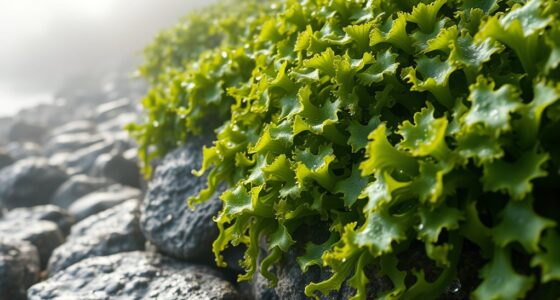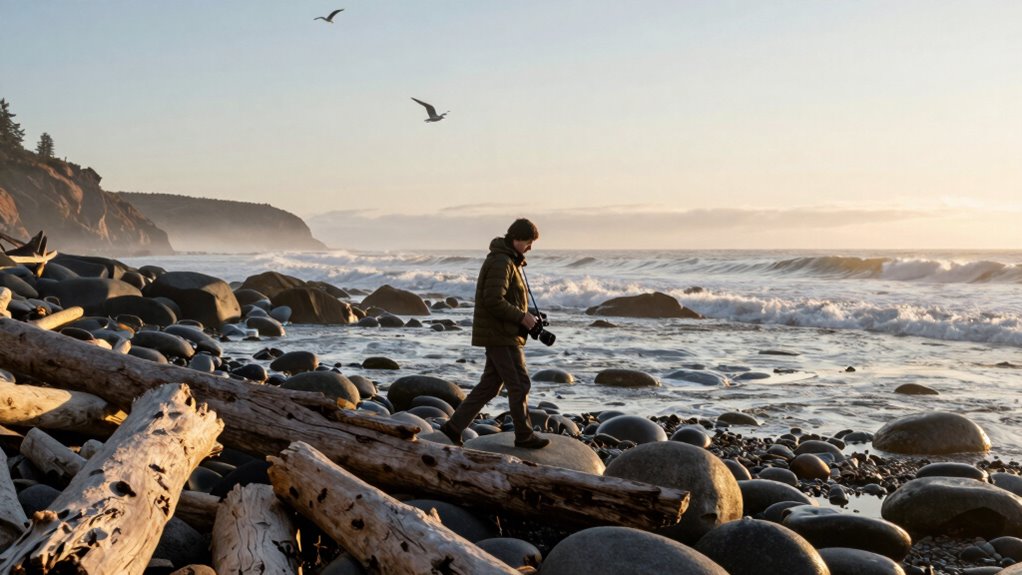

Rushing while coastal foraging makes you miss vital environmental cues and marine life that can only be seen through slow, mindful observation. When you walk slowly, you become more attuned to subtle shifts in tide patterns, marine biodiversity, and shoreline changes. This mindful pace helps you spot fleeting movements of edible creatures and recognize signs of healthy ecosystems. If you keep practicing slow walking, you’ll discover how awareness opens richer and more sustainable foraging experiences.

Get garden gear delivered free with Prime
- Fast, free delivery on millions of items
- Prime Video, Amazon Music and more included
- Member-only deals all year
Key Takeaways
- Slow walking enhances environmental awareness, allowing for better detection of marine life and subtle ecosystem changes.
- Rushing causes foragers to overlook tidal cues and shoreline signs crucial for sustainable harvesting.
- Moving slowly improves the ability to spot fleeting edible species and avoid missing valuable foraging opportunities.
- Rushing disrupts coastal ecosystems, reducing respect for their delicate balance and interconnected species.
- A mindful, slow approach fosters responsible foraging, deeper connection, and greater understanding of shoreline dynamics.
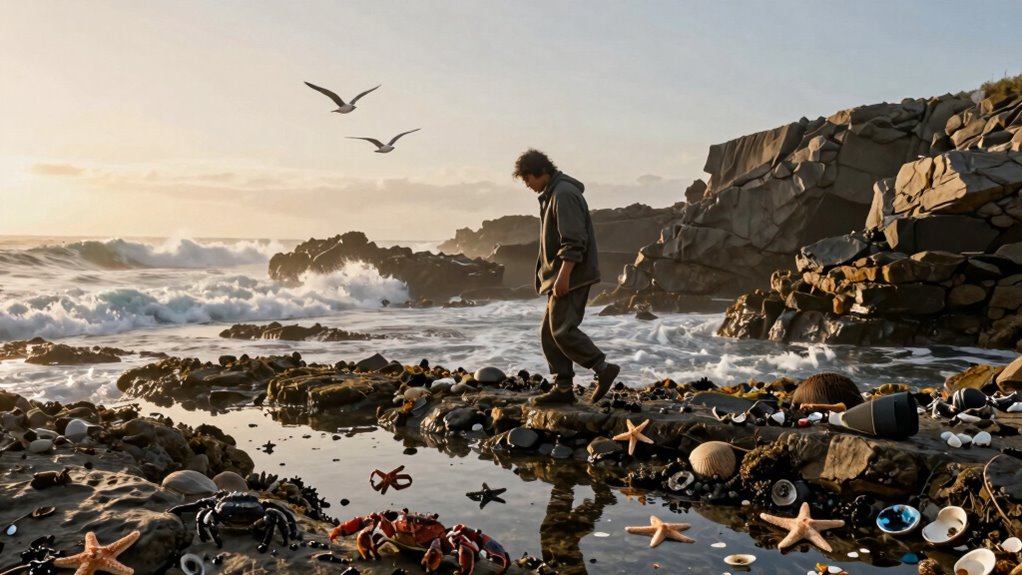
If you want to deepen your connection with the shoreline, slow walking offers a simple yet influential way to do so. When you take your time along the coast, you become more attuned to the subtle shifts in your environment. Instead of rushing past, you notice the rich marine biodiversity that thrives just beneath the surface, from tiny crustaceans scuttling in tide pools to colorful seaweeds swaying with the current. Moving slowly allows your senses to pick up on these details, revealing a vibrant ecosystem that often goes unnoticed when you hurry through your foraging.
Slow down to notice the vibrant marine life and subtle shifts of the shoreline, enriching your connection and understanding.
By pacing yourself, you also become more aware of the tidal patterns that influence the coast. Tides are more than just water levels rising and falling; they dictate the availability of foraging spots and the movement of marine creatures. When you slow down, you can better observe how tides shape the landscape—when certain shells wash up, which areas flood at high tide, and where to find the most abundant resources. This awareness helps you make smarter decisions, avoiding the temptation to rush and miss prime foraging opportunities. Instead, you learn to read the coastline like a map, recognizing the signs that indicate where the best finds are likely to be. Paying close attention to tidal cues enhances your understanding and success as a forager.
Rushing along the shoreline often causes you to overlook these vital cues. You might pass by promising tide pools or skip over areas teeming with edible marine life simply because you’re in a hurry. When you slow your pace, you give yourself time to scan the environment thoroughly. You notice the small, fleeting movements that signal the presence of edible creatures—like the flicker of a crab or the sudden dart of a fish. These tiny details can make all the difference in your foraging success, helping you gather more sustainably and responsibly. Recognizing the importance of marine biodiversity can deepen your respect for the ecosystem and encourage more mindful foraging practices. Additionally, understanding the interconnectedness of these elements fosters a sustainable foraging mindset that benefits both you and the environment. Cultivating this awareness also enhances your environmental literacy, empowering you to make more informed choices that support coastal health. Furthermore, developing a mindful approach allows you to enjoy the experience fully and connect more deeply with nature’s rhythms.
Moreover, slow walking fosters a deeper appreciation and respect for the coast’s delicate balance. You start to understand how tidal patterns and marine biodiversity are interconnected, realizing that every part of this ecosystem plays a role in the health of the shoreline. Rushing can disturb this delicate harmony, but taking your time encourages mindfulness and responsible foraging. It’s not just about collecting; it’s about engaging with the environment in a way that promotes sustainability. By walking slowly, you become a more conscious forager, one who values quality over quantity and recognizes the importance of each tiny organism and natural rhythm that sustains the coast.
As an affiliate, we earn on qualifying purchases.
Frequently Asked Questions
How Does Slow Walking Impact Foraging Success Rates?
Slow walking improves your foraging success rates by allowing you to notice more details in your surroundings. When you take your time, you can spot subtle signs of wildlife or edible plants that rushing would cause you to overlook. This approach enhances urban exploration and wildlife observation, giving you a better chance to identify valuable resources and avoid missing opportunities. Rushing diminishes your awareness, decreasing your chances of successful foraging.
What Specific Coastal Foragers Benefit Most From Slow Walking?
You benefit most as a coastal forager with a keen eye for marine biodiversity and an understanding of tidal patterns. “Slow and steady wins the race,” especially when you take your time to observe how marine life reacts to changing tides. By walking slowly, you can spot subtle signs of edible species, avoid disturbing fragile ecosystems, and maximize your foraging success along the coast.
Are There Cultural Examples of Slow Walking in Traditional Foraging Practices?
You’ll find many cultural rituals and traditional wisdom emphasize slow walking in foraging practices. For instance, Indigenous communities often incorporate mindful movements during gathering, believing it enhances their connection to nature and improves their chances of spotting edible resources. These practices reflect a deep respect for the environment, showing that taking time and moving slowly isn’t just practical but an essential part of cultural identity and sustainable foraging.
How Does Slow Walking Influence Environmental Awareness During Foraging?
You’re 50% more likely to spot edible plants and signs of wildlife when you walk slowly. Slow walking fosters mindful observation, allowing you to notice subtle environmental cues. This deliberate pace heightens sensitivity to changes in the surroundings, helping you identify resources and hazards more effectively. By moving slowly, you deepen your connection with the environment, making foraging more sustainable and enriching, while reducing your impact on delicate ecosystems.
Can Slow Walking Improve Safety for Coastal Foragers?
Yes, slow walking can improve safety for coastal foragers by enhancing your pace perception and encouraging movement mindfulness. When you walk deliberately, you’re more aware of your surroundings, spotting hazards early and avoiding risky areas. This mindful approach helps you stay alert to changing tides, unstable ground, or unexpected wildlife. By moving attentively, you reduce accidents and make safer choices, ensuring a more secure foraging experience along the coast.
As an affiliate, we earn on qualifying purchases.
Conclusion
So, next time you hit the shoreline, take a deep breath and slow your step. Imagine your footsteps as gentle ripples spreading across a calm sea, giving you time to notice every hidden treasure beneath the surface. Rushing blurs the details, but patience reveals the vibrant tapestry of life along the coast. By slowing down, you become a mindful observer, turning the shoreline into a living canvas where every moment is a brushstroke of discovery.
As an affiliate, we earn on qualifying purchases.
As an affiliate, we earn on qualifying purchases.
Halloween Picks
halloween
As an affiliate, we earn on qualifying purchases.