Before brewing wild herbal teas, you need to learn how to identify plants accurately to avoid toxic look-alikes. Always harvest from safe, pollution-free locations and use proper techniques to protect the environment. Pick herbs at peak potency, handle them gently, and dry them properly for storage. Ensuring safety and sustainability is key—if you stay cautious and informed, you’ll discover even more essential tips to create delicious and healthy wild herbal teas.

Get garden gear delivered free — and shop member deals
- Fast, free delivery on millions of items
- Access to Prime Big Deal Days deals on October 6–7
- Prime Video, Amazon Music and more included
Key Takeaways
- Ensure correct identification of wild herbs to avoid toxic look-alikes before brewing tea.
- Harvest herbs at peak flavor, typically before flowering, using proper techniques to preserve medicinal qualities.
- Harvest only from safe, pollution-free locations to prevent contaminant ingestion.
- Properly clean and dry herbs to maintain flavor and medicinal potency for tea preparation.
- Respect sustainable foraging practices and local regulations to protect ecosystems and plant populations.
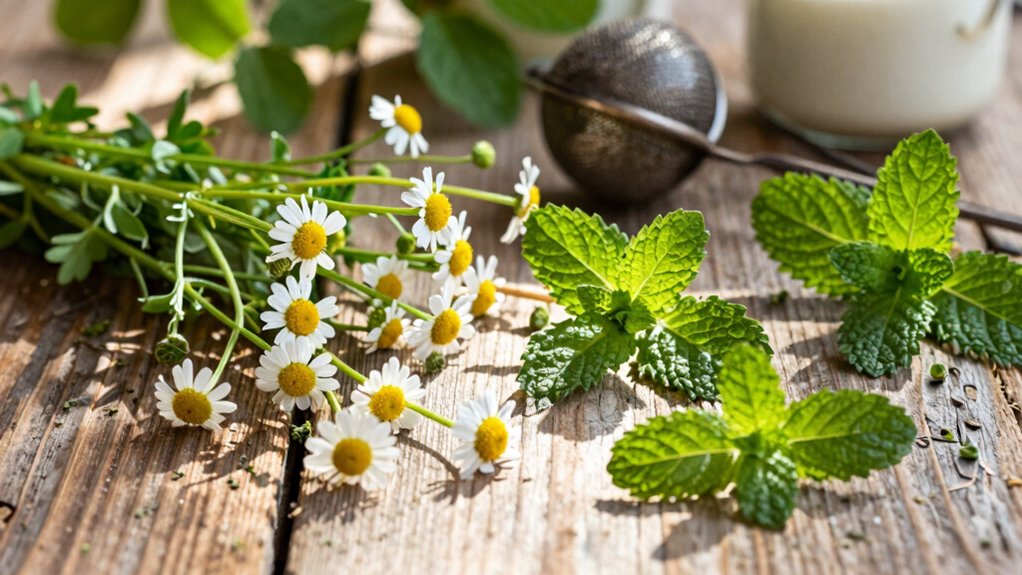
Wild herbs have been prized for centuries as natural ingredients for flavorful and healthful teas. If you’re interested in exploring the world of herbal foraging, it’s vital to approach it with respect and knowledge. Wild harvesting offers a rewarding way to connect with nature, but it also requires careful identification and an understanding of sustainable practices. Before you start picking herbs in the wild, you need to learn how to distinguish safe plants from toxic ones. Many edible herbs look similar to dangerous look-alikes, so never harvest anything unless you’re 100% sure it’s safe.
Wild herbs have long been valued for their flavor and health benefits; always ensure proper identification and sustainable harvesting practices.
Start by familiarizing yourself with local flora. Use field guides, join foraging groups, or take workshops to build your identification skills. Pay attention to details like leaf shape, smell, and the plant’s growth habit. Remember, not all herbs grow in obvious spots; some prefer shaded woods, rocky outcroppings, or moist meadows. As you venture out, always respect private property and local regulations concerning wild harvesting. Overharvesting can harm the environment, so practice sustainable foraging by only taking what you need and leaving plenty behind to support the ecosystem. Additionally, learning about plant safety and identification is crucial to avoid accidental poisoning or damaging local habitats. Being aware of pollutant accumulation helps ensure the herbs you harvest are safe for consumption.
When it comes to wild harvesting herbs for tea, timing is vital. Harvest herbs at their peak flavor and potency—usually just before flowering or when leaves are young and tender. Using proper harvesting techniques helps ensure the health of the plants and the sustainability of the environment. It’s also beneficial to understand how plant parts contribute to flavor and medicinal properties, so you can select the best parts for your herbal teas. For best results, research the specific harvest seasons for each herb to maximize their benefits. Use clean tools to cut the herbs, and handle them gently to avoid damaging the plant. Store your harvest properly—drying herbs in a well-ventilated, dark spot preserves their flavor and medicinal qualities. Keep in mind that wild plants can accumulate pollutants from nearby roads or industrial areas, so always choose clean, safe locations.
Learning the ethics of herbal foraging is just as important as identifying plants correctly. Always prioritize the health of the environment and guarantee you’re harvesting sustainably. Avoid overharvesting particular patches, and consider planting some herbs in your own garden to reduce pressure on wild populations. Respect the plants, the land, and your local regulations. By practicing responsible wild harvesting, you contribute to maintaining healthy ecosystems and guarantee that future generations can also enjoy the benefits of wild herbs for tea.
Before brewing, make sure your herbs are thoroughly cleaned and properly dried. Wild herbs can carry dirt, insects, or bacteria, so rinse them carefully. Once dried, they’re ready to be steeped in hot water, releasing their flavors and healthful compounds. With patience, practice, and respect for nature, you can safely incorporate wild herbs into your tea repertoire, experiencing the rich flavors and benefits that come from sustainable herbal foraging and wild harvesting.
As an affiliate, we earn on qualifying purchases.
Frequently Asked Questions
Are Wild Herbs Safe for Everyone to Consume?
Wild herbs aren’t safe for everyone to consume because of potential wild herb toxicity and herbal foraging risks. You should always identify herbs accurately and consult reliable sources or experts before ingesting them. Some wild plants can cause allergic reactions, poisoning, or interact negatively with medications. Never assume all wild herbs are safe; it is crucial to be cautious, especially if you’re new to herbal foraging, to avoid harmful effects.
How Do I Identify Edible Wild Herbs Accurately?
Imagine revealing nature’s secret garden—herb identification is your first step. Use foraging techniques like observing leaf shapes, smells, and growth patterns carefully. Cross-reference with reliable field guides or apps, and always double-check before harvesting. Remember, even experienced foragers sometimes mistake plants; err on the side of caution. With patience and attention to detail, you’ll confidently identify edible wild herbs, turning foraging into a safe, rewarding adventure.
Can Wild Herbs Be Farmed or Cultivated at Home?
Yes, you can farm wild herbs at home using proper cultivation methods. Start by mimicking their natural soil requirements, ensuring well-drained, nutrient-rich soil suited to each herb’s needs. Choose a sunny spot, and maintain consistent watering. Regularly clear weeds and monitor for pests. With patience, you’ll cultivate healthy wild herbs perfect for tea, creating a sustainable source right in your backyard that preserves their wild essence.
What Are the Potential Side Effects of Wild Herb Teas?
Imagine you’re a knight, but instead of a sword, you wield wild herb teas. These teas can pose toxicity risks and trigger allergic reactions if you’re sensitive or consume too much. Always identify herbs correctly, and start with small amounts to test your tolerance. Some herbs may cause stomach upset or interact with medications. Being cautious helps you enjoy herbal teas safely, like a hero safeguarding their health on a grand quest.
How Should I Harvest Wild Herbs Sustainably?
You should harvest wild herbs sustainably by practicing ethical foraging, which involves taking only what you need and leaving enough for the plant to regenerate. Avoid overharvesting from a single area, and focus on plants that are abundant. Use scissors or pruning shears instead of digging or uprooting, and always respect local regulations and protected areas. This approach helps preserve wild herb populations and guarantees their availability for future generations.
herbal plant identification field guide
As an affiliate, we earn on qualifying purchases.
As an affiliate, we earn on qualifying purchases.
Conclusion
Imagine yourself as a skilled gardener tending a wild, untamed forest. Each herb you harvest is like a treasured secret, full of history and healing. Before you brew, remember that these wild herbs are gifts from nature’s own treasury—precious and powerful. Respect their wild spirit, handle with care, and savor the magic they bring. With patience and reverence, you’ll reveal a world of flavors that nourish not just your body, but your soul.
wild herbs drying and storage kit
As an affiliate, we earn on qualifying purchases.
As an affiliate, we earn on qualifying purchases.
As an affiliate, we earn on qualifying purchases.
Fall Picks
fall essentials
As an affiliate, we earn on qualifying purchases.