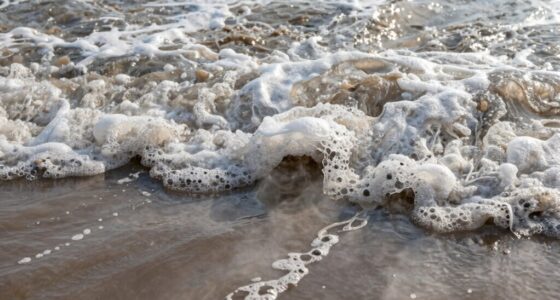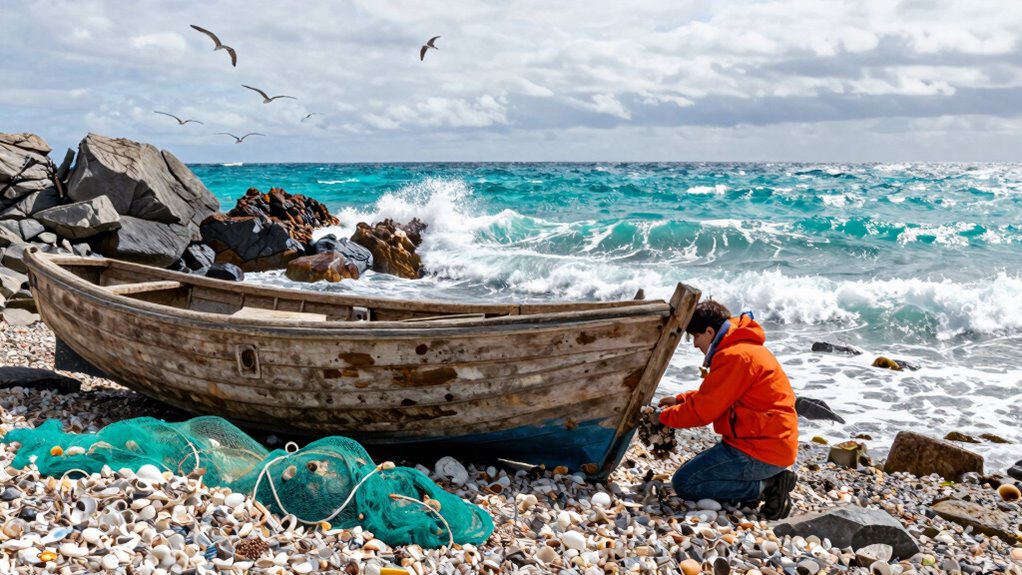

Each season, you might underestimate risks like harvesting from polluted waters or collecting protected species, risking health issues or legal trouble. You could also overlook water quality reports or ignore local regulations, leading to fines and environmental harm. Rushing to gather without understanding eco-impact damages ecosystems and future harvests. Staying informed about safe spots, legal limits, and protected species helps you avoid repeating these mistakes. Keep going, and you’ll discover ways to forage responsibly and protect the environment.
Open a free Amazon Business account
Business pricing, bulk buying and tax-exempt orders.
As an affiliate, we earn on qualifying purchases.
Key Takeaways
- Failing to verify water quality, leading to harvesting contaminated or toxic species.
- Ignoring local regulations on seasons, size limits, and quantity restrictions.
- Underestimating risks from hazardous or protected species due to lack of knowledge.
- Rushing without understanding ecosystem impacts, causing environmental harm.
- Not staying updated on changing laws and conservation efforts each season.
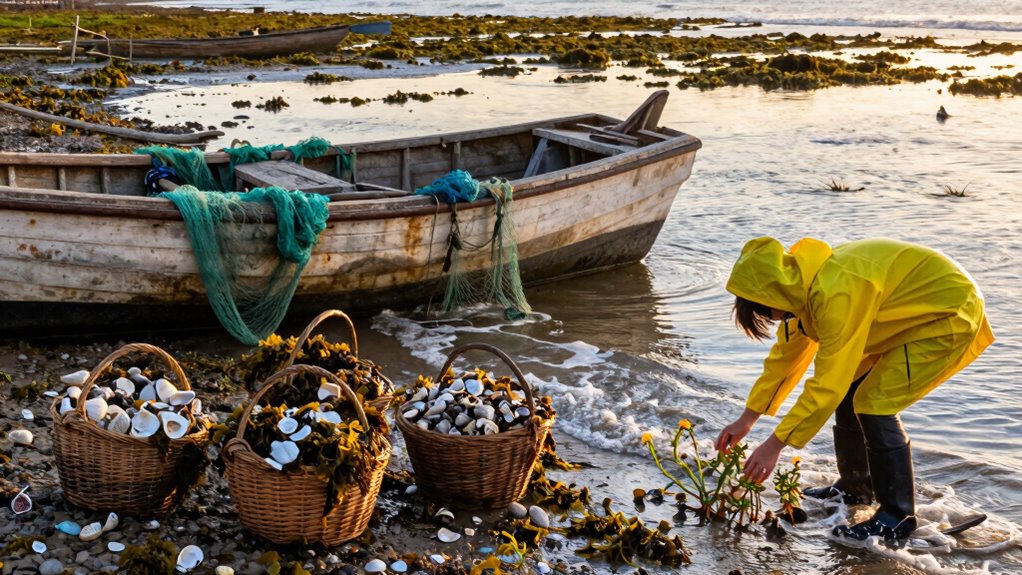
Coastal foraging can be a rewarding activity, but it’s easy to make mistakes that could harm both you and the environment. One of the most common pitfalls is underestimating harvesting hazards. Many foragers immerse themselves in collecting shellfish, seaweed, or other marine life without fully understanding the risks involved. For example, harvesting shellfish from contaminated waters can lead to serious health issues, including food poisoning. It’s vital to identify safe spots and stay informed about water quality reports before collecting. Additionally, some species may carry toxins or be protected by regulations, so blindly harvesting without proper knowledge can put you at risk of illness or legal trouble.
Always check water quality and regulations to stay safe and protect marine ecosystems during coastal foraging.
Another mistake often repeated each season is overlooking legal limitations. Coastal regulations on foraging are in place for good reasons: to protect fragile ecosystems, preserve endangered species, and ensure sustainable harvesting. You might be tempted to gather a large quantity of mussels or seaweed simply because they’re abundant, but ignoring local laws can lead to hefty fines or even loss of access to foraging sites. Many regions have specific seasons, size limits, and quantity restrictions designed to prevent overharvesting. Not knowing these rules puts you at risk of unintentionally breaking the law and damaging the very environment you’re trying to enjoy.
It’s easy to fall into the trap of assuming that just because a species is present, it’s legal and safe to harvest. However, regulations often change, and what was permissible last year might now be restricted. Always check with local authorities or conservation agencies before heading out. Ignorance isn’t an excuse when it comes to legal limitations, and it’s your responsibility to stay informed. Failing to do so not only endangers your safety but can also harm local populations of marine life that need protection. Being aware of conservation efforts and protected species helps maintain healthy ecosystems for future foraging seasons.
Furthermore, rushing to harvest without understanding the environment can lead you to pick species that are protected or invasive, which can disrupt the local ecosystem. Respect for the habitat and adherence to rules ensures you’re contributing to sustainable foraging rather than causing long-term damage. It’s also beneficial to educate yourself about invasive species to prevent accidental harvesting. By paying attention to harvesting hazards and respecting legal limitations, you protect yourself from health risks and avoid legal trouble. The best foraging experiences happen when you’re well-informed and responsible, ensuring that future seasons remain fruitful and environmentally sound.
water quality testing kit for coastal waters
As an affiliate, we earn on qualifying purchases.
As an affiliate, we earn on qualifying purchases.
Frequently Asked Questions
How Can I Identify Safe Foraging Spots Along the Coast?
You can identify safe foraging spots along the coast by observing signs of wildlife disturbance and avoiding heavily trafficked areas, which might harm the environment. Look for healthy, undisturbed ecosystems and stick to designated paths to minimize environmental impact. Talk to local foragers or park rangers for advice. Always prioritize areas that show minimal human activity, as they tend to be safer for sustainable foraging and less disruptive to local wildlife.
What Gear Is Essential for Responsible Coastal Foraging?
You need essential gear like gloves, a sturdy basket, and a fishing knife to guarantee responsible coastal foraging. Always prioritize wildlife conservation by avoiding overharvesting and respecting protected areas. Use tools that minimize harm to the environment, supporting ethical harvesting practices. Carry a guidebook or app for local regulations and species identification, helping you forage sustainably and protect coastal ecosystems for future generations.
Are There Specific Seasons Best for Targeting Certain Species?
Yes, certain seasons are best for targeting specific species due to seasonal variations. For example, spring often brings abundant shellfish, while summer is ideal for fish like mackerel. You’ll find that species targeting changes throughout the year, so plan your foraging trips accordingly. By understanding these seasonal patterns, you can increase your chances of success and avoid common mistakes, making your coastal foraging more productive and sustainable.
How Do Weather Conditions Affect Coastal Foraging Success?
Like a sailor reading the stars, you must understand weather to excel in coastal foraging. Tidal patterns and wind influence play vital roles—strong winds can stir up the water, making it harder to spot or catch prey, while rising or falling tides dictate which species are accessible. Calm days with gentle breezes often lead to better success, letting you navigate the coast with confidence and patience.
What Legal Regulations Should I Be Aware of When Foraging?
When foraging, you should always check local regulations regarding harvesting permits and protected species. You need permits for certain plants or shellfish, and some species are protected, meaning you can’t harvest or disturb them. Always research specific rules in your area to avoid fines or harming ecosystems. Respecting these regulations helps preserve coastal resources and guarantees sustainable foraging practices for future seasons.
seaweed and shellfish harvesting guidebook
As an affiliate, we earn on qualifying purchases.
As an affiliate, we earn on qualifying purchases.
Conclusion
By avoiding these common coastal foraging mistakes, you’ll become a smarter, more responsible forager. Remember, every mistake you dodge is a step closer to becoming a true expert—like a lighthouse guiding you safely through treacherous waters. Stay patient, respect nature, and keep learning each season. With dedication, you’ll master the art of coastal foraging and discover its endless treasures. So go out there, embrace the adventure, and let the ocean’s bounty be your guide—just don’t forget to tread lightly!
coastal foraging safety equipment
As an affiliate, we earn on qualifying purchases.
As an affiliate, we earn on qualifying purchases.
regulation and conservation guide for marine foraging
As an affiliate, we earn on qualifying purchases.
As an affiliate, we earn on qualifying purchases.
Flea & tick season Picks
flea and tick prevention
As an affiliate, we earn on qualifying purchases.