TL;DR

Get garden gear delivered free with Prime
- Fast, free delivery on millions of items
- Prime Video, Amazon Music and more included
- Member-only deals all year
Amateur Gardening has highlighted rhododendrons, hydrangeas and camellias as options for shady, north-facing gardens. The plants offer different flowering seasons and foliage, but their success depends on conditions such as soil acidity, moisture and the amount of light.
Amateur Gardening has recommended rhododendrons, hydrangeas and camellias for gardeners seeking flowers and foliage in shady, north-facing spaces. The gardening report says the choices can provide interest at different times of year, while noting that factors such as soil acidity and limited sunlight affect where particular plants will grow well.
The recommendations come from Calogero Scanella, managing director of Surrey-based CS Gardens, who told Amateur Gardening that a north-facing or shady garden limits the range of plants but can still support flowering varieties. Scanella said some plants prefer shade and shelter, and that the three selections can be grown in pots or in the ground, depending on the garden and the amount of maintenance a gardener can provide.
Rhododendrons are suited to shaded areas but need acidic soil, according to the report. It notes that soil beneath conifers or pine trees may already be acidic. Where that is not the case, Scanella advises using acidic soil in a pot. Hydrangeas, meanwhile, can flower with only a few hours of sun a day, he said; too much sun may cause their colours to fade more quickly. In shadier spots, their flowers may last into late summer and autumn.
Camellias bring glossy evergreen leaves through the colder months and flower in late winter or early spring, the report says. Amateur Gardening also recommends adding compost when planting near tree roots, watering regularly even in shade, and applying organic mulch to help retain soil moisture. These are general gardening suggestions; the report does not provide a planting schedule or guidance for every soil and climate.
Flowers and Foliage Beyond Summer
The list addresses a common practical problem: north-facing gardens often receive limited direct sunlight, which can rule out plants that need full sun. Selecting plants with different flowering periods may help gardeners spread colour across more of the year rather than relying on a single summer display. In this set, hydrangeas can retain blooms into autumn, while camellias may flower in late winter or early spring.
The advice also highlights that shade alone does not determine whether a plant will thrive. Soil conditions matter, particularly for rhododendrons, while watering and root competition can affect plants placed beneath trees. The recommendations offer starting points, not a guarantee that all three plants will suit every shaded garden.
Popular right now

Shark PowerDetect Corded Stick Vacuum with HEPA Filtration, Purple (HZ4001AMZ)

Shark Rotator Lift-Away Upright Vacuum, White/Red (NV501)

Shark Navigator Lift-Away Upright Vacuum, NV360
As an affiliate, we earn on qualifying purchases.
Choosing Plants for Low Light
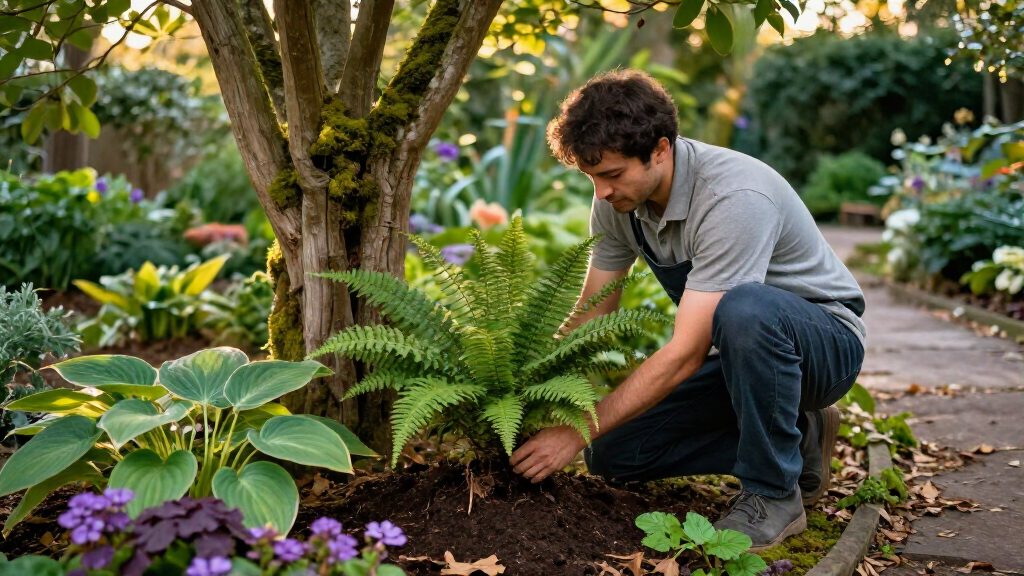
The Amateur Gardening report frames shade as a condition that can be worked with, rather than a reason to leave a garden without flowers. It suggests planting in several types of space, including garden borders, containers, patios and window boxes that receive little sun. Plants can also soften the appearance of tall fences or areas below tree lines, where shelter may reduce exposure to strong winds.
Scanella’s recommendations are intended to complement one another and can be planted in pots or directly in the ground. The report says the trio can provide flowers across different seasons, but does not give a detailed planting plan or identify specific cultivars. Its practical advice is to improve planting conditions with compost, regular watering and mulch, particularly where tree roots make soil difficult to work.
“There are plenty of varieties that are perfectly happy with just a few hours a day. In fact, too much sun can cause the colours to fade quickly.”
— Calogero Scanella, speaking to Amateur Gardening about hydrangeas
Soil, Cultivars and Local Conditions
The report does not identify particular hydrangea or camellia cultivars, or specify how much shade each one can tolerate. It also does not state the soil pH, climate zone or growing conditions in which its recommendations were tested. Rhododendrons require acidic soil, but whether a garden has suitable soil cannot be determined from its north-facing aspect alone.
The report’s description of flowers lasting across seasons is a general recommendation, not a promise that every plant will bloom on the same timetable in every location. Local weather, care, plant variety and garden conditions may affect flowering. Readers may need to check plant labels or consult a local horticultural source before choosing a variety.
Check Conditions Before Planting
The report sets out no further publication or follow-up. For gardeners using its suggestions, the next steps are to check the light, soil and available space in the intended planting area, then choose an appropriate variety and decide whether to use a container or a border. For rhododendrons, that includes confirming the soil is acidic or using an appropriate potting medium.
After planting, the guidance is to add compost where roots make soil difficult to work, keep plants watered during warm, dry weather, and use mulch to help retain moisture. The source does not provide a specific watering frequency, so gardeners will need to adjust care to their plants and local conditions.
Key Questions
Which three plants does the report recommend?
It names rhododendrons, hydrangeas and camellias as options for shady, north-facing gardens.
Do hydrangeas need full sun?
Not necessarily. Calogero Scanella told Amateur Gardening that some varieties can grow with a few hours of sun a day. The report says excessive sun can cause flower colours to fade more quickly.
What soil do rhododendrons need?
The report says rhododendrons need acidic soil. If garden soil is not suitable, Scanella advises growing them in a pot with acidic soil.
When do camellias flower?
According to the report, camellias generally start flowering in late winter or early spring. Their evergreen leaves can provide garden interest when they are not in flower.
Do plants in shade still need watering?
Yes. The report advises watering shade-tolerant plants regularly, especially during warm, dry weather, and suggests using mulch to help retain soil moisture.
Source: amateurgardening.com