
TL;DR
Homes & Gardens has published a practical guide to planting hyacinths indoors for winter color and fragrance. It says prepared bulbs can flower earlier, while unprepared bulbs need about 10–12 weeks in cool, dark conditions before being moved into brighter light.
Homes & Gardens has published a guide to planting hyacinth bulbs indoors for winter flowers, explaining how bulb preparation, a cold period and careful watering can affect when they bloom. The advice is aimed at gardeners seeking color and fragrance at home, with late January and February given as possible flowering times under suitable conditions.

Get garden gear delivered free with Prime
- Fast, free delivery on millions of items
- Prime Video, Amazon Music and more included
- Member-only deals all year
The guide distinguishes between prepared and unprepared bulbs. Prepared bulbs have been heat-treated and chilled to encourage earlier flowering. Unprepared bulbs have not received that treatment and need a naturally cool period before they flower, so they are less suited to an early-January display. The report says they can still flower indoors and may bloom by February, depending on conditions.
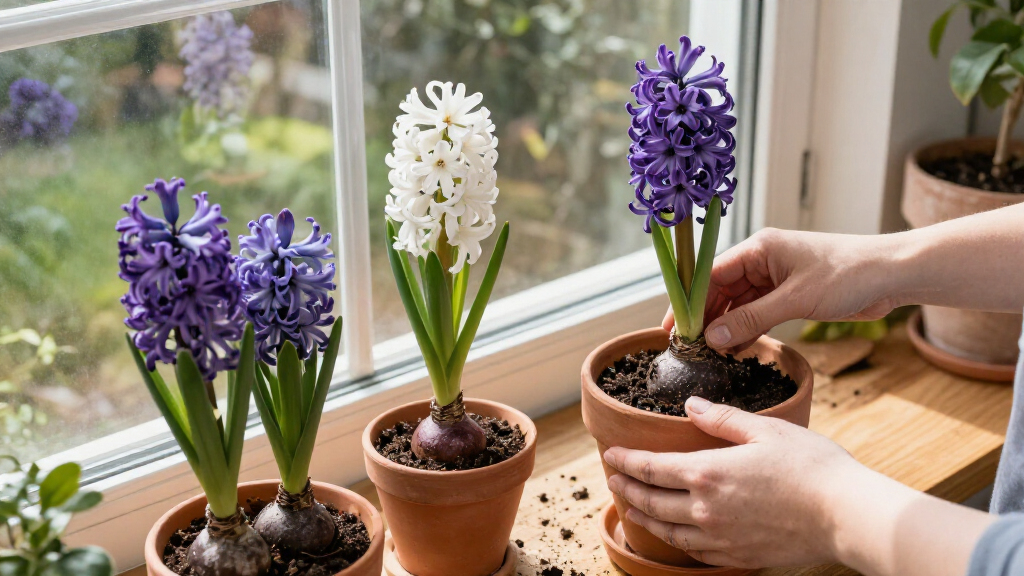
For planting, the report recommends pots or bowls filled with bulb fibre compost or regular potting compost. It says to place bulbs close together with their tips pointing up and roots down, then cover them with compost while leaving the tips exposed. If a container has no drainage holes, the guide suggests adding horticultural charcoal at the bottom to help reduce the risk of waterlogged roots.
Unprepared bulbs should be kept in a cool, dark place for around 10–12 weeks, ideally at 40–48°F. The compost should remain lightly moist, not waterlogged. Once shoots reach about 1.5 inches, the report says to move the pots to a brighter indoor location. It also recommends wearing light gloves when handling bulbs.
Planning for Late-Winter Blooms
Indoor hyacinths offer a way to bring flowers and scent into a home during a season when outdoor gardens may have little color. The advice also highlights that flowering time is not immediate: choosing the bulb type and starting the chilling period early can affect whether blooms arrive in the desired part of winter.
The practical distinction between prepared and unprepared bulbs may help readers set realistic expectations. A bulb that has not been chilled for indoor forcing needs time in cold conditions; moving it straight into a warm, bright room does not match the process described in the guide. That makes the schedule and storage conditions as relevant as the planting itself.
Popular right now

Vitamix 5-Speed Immersion Blender, 625-Watt, Stainless Steel/Black

Bose QuietComfort Wireless Noise Cancelling Headphones, Ice Blue

Breville Barista Touch Espresso Machine, Brushed Stainless Steel
As an affiliate, we earn on qualifying purchases.
Prepared Bulbs and Chilling
Hyacinths are commonly planted outdoors in fall, according to the Homes & Gardens report, but unprepared bulbs can also be grown indoors when given suitable conditions. Prepared bulbs are treated to flower earlier, while unprepared ones require a period of cold before flowering.
The report presents indoor planting as a small-space project, using containers such as ceramic or terracotta pots and bowls. Its suggested timing—planting ahead of winter and allowing unprepared bulbs roughly 10–12 weeks of cool storage—is intended to support blooms later in the season. Flowering dates can vary by variety and growing conditions.
““The secret to enjoying these beautiful blooms in the depths of winter is a little forward planning.””
— Homes & Gardens report
Flowering Dates Depend on Conditions
The report does not give a guaranteed flowering date. It says timing varies with variety and growing conditions, and describes late January and February as possible periods for blooms rather than assured outcomes. It also does not provide a specific schedule for prepared bulbs or compare the performance of individual varieties.
The source offers general care advice, not results from a controlled trial. Readers should treat the temperature and chilling period as guidance from the report, while recognizing that actual growth may differ. The article also does not detail what to do with bulbs after flowering.
Allow Time for Shoots
For unprepared bulbs, the next step is to plant them and provide the recommended cool, dark period, checking that the compost stays lightly moist. When shoots reach about 1.5 inches, move the pots to a brighter indoor position and watch for flowering.
Readers hoping for blooms at a particular point in winter should account for the 10–12-week chilling period and the possibility of variation. The source does not announce a follow-up study or additional gardening guidance; it directs readers to a separate Homes & Gardens guide for care after flowering.
Key Questions
Which hyacinth bulbs are better for earlier indoor flowers?
Prepared bulbs have been heat-treated and chilled to encourage earlier flowering. The report says unprepared bulbs take longer because they need a cool period before blooming.
How long should unprepared bulbs stay in a cool, dark place?
The Homes & Gardens guide recommends around 10–12 weeks, ideally at 40–48°F, before moving the pots to a brighter spot.
How wet should the compost be?
Keep it lightly moist, not waterlogged, during the cold period. The report suggests horticultural charcoal at the bottom of containers without drainage holes to help reduce waterlogging.
When should I bring the pots into brighter light?
According to the report, move them when the shoots have emerged and reached about 1.5 inches in height.
Are flowers guaranteed by late January or February?
No. The report gives those months as possible flowering times but says timing varies with the variety and growing conditions.
Source: homesandgardens.com