
TL;DR

Get garden gear delivered free with Prime
- Fast, free delivery on millions of items
- Prime Video, Amazon Music and more included
- Member-only deals all year
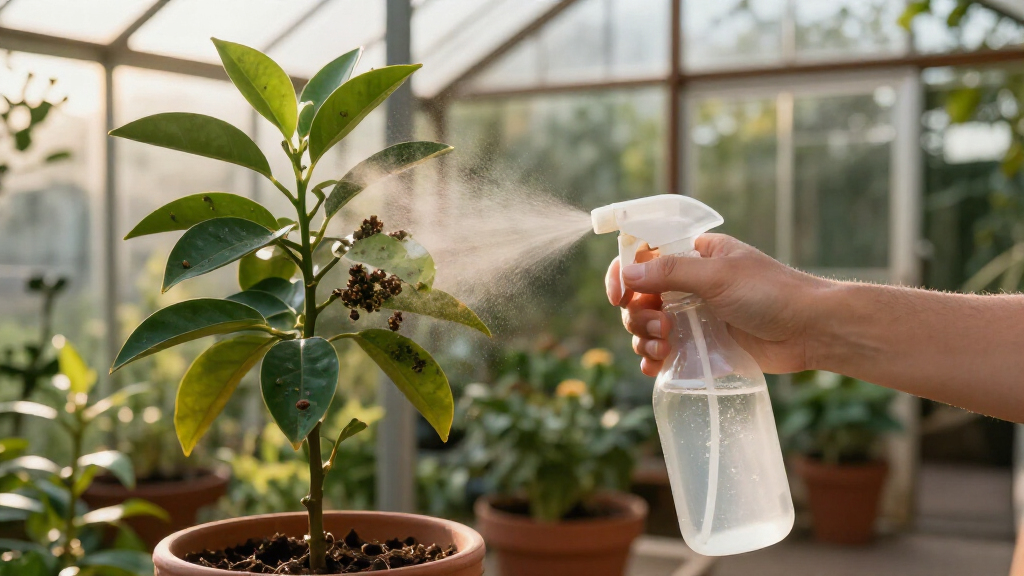
Gardening Know How advises inspecting plants that spent the summer outdoors before bringing them inside for fall. Scale insects can be hard to remove once established, so isolate affected plants, remove visible insects and monitor weekly; any pesticide must be used according to its label.
Plants that spent the summer outdoors should be checked for scale insects before they come inside, as covered in this guide to bringing houseplants inside, according to a Gardening Know How report, because the pests can spread among houseplants and continue reproducing indoors through winter. The report recommends early inspection, isolation of affected plants and repeated monitoring rather than relying on a single spray.
Scale insects feed by inserting a thin, straw-like mouthpart into a plant’s stem or leaf. Adults often stay in one place beneath a hard or waxy covering, which can make them look like bumps on bark or leaves. The report advises checking stems, leaf veins and leaf undersides, using a magnifier if needed. Soft scale may also leave sticky honeydew; sooty mold can grow on that residue.
Newly hatched insects, called crawlers, are tiny and mobile before settling to feed. They can move between touching plants or travel on hands and tools. The report says outdoor cold and predators such as lady beetles and small wasps can limit scale, while indoor plants lack those controls. It recommends placing an infested plant away from others and washing hands and tools after handling it.
For a small number of insects, the report describes removing them with a cotton swab, fingernail, toothpick or soft toothbrush. It advises testing isopropyl alcohol on one leaf and waiting a day or two for damage before treating more of the plant. For heavier infestations, it discusses horticultural oil or insecticidal soap, noting that adults protected by covers may survive and further crawlers can hatch. Product labels govern use and repeat-treatment timing; edible plants, including citrus and bay laurel, need particular care because products may not be labeled for food crops.
Why Fall Inspections Matter
Moving a plant indoors can also bring its pests into close contact with other plants. Since crawlers may travel where foliage touches, a missed infestation can become a houseplant-wide problem. Indoors, scale may keep reproducing during winter, when routine outdoor checks and natural predators are no longer part of the plant’s environment.
Early detection also matters because the adult covering limits how well sprays reach the insect. Removing visible scale and watching for new crawlers addresses different stages of the problem. A single treatment may not control an infestation, so the report’s central advice is to start before plants enter the home and continue checking them afterward.
Popular right now

Ninja Foodi Air Fryer 10 Qt DualZone 6-in-1 Black DZ302

Philips 4400 Series Fully Automatic Espresso Machine with LatteGo Milk System

Sony WH-1000XM4C Wireless Noise-Cancelling Headphones, Black
As an affiliate, we earn on qualifying purchases.
How Scale Spreads Indoors
The report identifies citrus, jade, hibiscus, ficus, bay laurel, oleander and orchids among common hosts, while noting that many other tropical houseplants can be affected. Plants that spent the summer close together on a deck or patio warrant a careful inspection before they are brought inside.
Scale can be brown, tan, white or black, and different types have different coverings. The report says a dead scale insect may remain attached for months, so appearance alone can mislead. A toothpick pressed against a bump may produce a wet smear if the insect is alive, according to the article. Sticky honeydew and yellowing leaves can also be warning signs, though the absence of those symptoms does not establish that a plant is pest-free.
“The best time for controlling scale insects is before the pots come inside.”
— Gardening Know How report
Treatment Results Depend on the Plant
The report does not identify a single treatment schedule that works for every plant or infestation. It describes two or three spray rounds spaced 10 to 16 days apart as a common approach, but says the product label sets the final directions. Effectiveness may vary because adults under thick covers can survive treatment and more crawlers may hatch later.
Plant sensitivity is another limitation. The report cautions that insecticidal soap can damage jade plants and ferns and recommends testing sprays on a few leaves first. It does not provide a complete product-by-plant compatibility list, nor does it establish that every pesticide mentioned is suitable for edible plants. Check the label for approved plants, use instructions and protective equipment, and do not use a product on food crops unless its label permits that use.
Keep Checking Through Winter
Before cold nights prompt the move indoors, inspect each outdoor plant closely, including new growth, joints and leaf undersides. Separate any plant with suspected scale and remove visible insects where practical. For pesticide treatment, follow the specific label for the plant and pest, wear the protective equipment it requires, and keep children and pets away as directed.
After plants come inside, the report recommends weekly checks throughout winter, including on plants that have not shown scale. Keep an affected plant isolated until several weekly inspections in a row find no new insects. The article says a plant heavily covered with scale may be better discarded, but does not give a universal threshold for that decision. New findings, plant response and label instructions should guide any further treatment.
Key Questions
When should I inspect plants for scale?
Inspect plants that spent the summer outdoors before bringing them inside for fall. The report says this is often done before cold nights prompt the move.
How can I tell if a bump is scale?
Look for small bumps on stems, along leaf veins and under leaves. A magnifier can help; the report says a wet smear from a toothpick pressed against a bump can indicate a live insect. Dead scale may remain attached, so a bump’s presence alone does not confirm it is alive.
Can one spray get rid of scale insects?
Not necessarily. Adult coverings can shield insects, and more crawlers may hatch after treatment. Follow the product label for application and repeat timing; the report describes repeat treatments as common, not guaranteed.
Should I isolate a plant with scale?
Yes. The report recommends moving an affected plant away from other houseplants and washing hands and tools after handling it. Keep it isolated until several weekly checks in a row find no new scale.
Can I use the same treatment on every houseplant?
No treatment should be assumed safe for every plant. Test products on a small area and follow the label. The report specifically warns that insecticidal soap can damage jade plants and ferns, and that edible plants need products labeled for their intended use.
Source: rss