
TL;DR

Get garden gear delivered free with Prime
- Fast, free delivery on millions of items
- Prime Video, Amazon Music and more included
- Member-only deals all year
Interest in managing the harlequin cabbage bug is rising among gardeners. Confirmed identification methods and organic control options are now being shared, but some details remain unconfirmed. This matters because effective management can prevent crop damage without chemicals.
Gardening enthusiasts and organic growers are increasingly focused on the harlequin cabbage bug, with recent spikes in search interest prompting widespread inquiries about identification and control methods. While experts confirm key features for recognizing this pest, effective organic control strategies are still being evaluated and shared among the gardening community.
The harlequin cabbage bug (Murgantia histrionica) is a brightly colored insect that poses a threat to cruciferous crops such as cabbage, broccoli, and kale. It is characterized by its distinctive black and orange pattern, which makes it easily identifiable to gardeners familiar with pest management. Recent online searches indicate a surge in interest, likely driven by reports of increased sightings in various regions and concerns over crop damage.
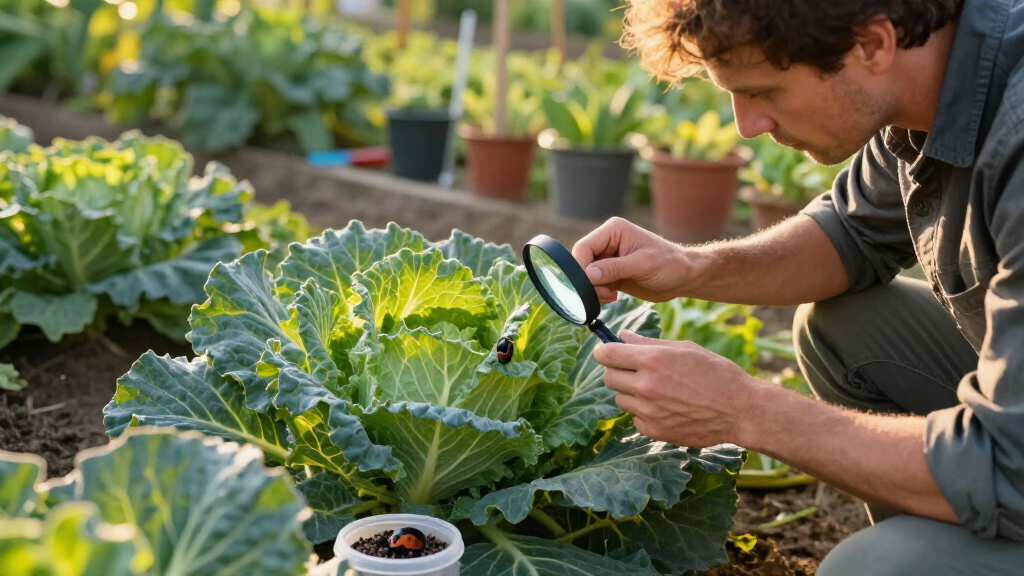
Confirmed identification features include its shield-shaped body, about 12-14 millimeters long, with a striking pattern of black and orange markings. Adults are most active in warm weather, and their presence can cause significant damage by feeding on plant sap, leading to distorted leaves, stunted growth, and potential crop loss if not managed properly. The bug tends to congregate on the undersides of leaves and near the stems of affected plants.
In terms of control, entomologists and organic gardening experts recommend several strategies that do not involve synthetic pesticides. These include manual removal, using row covers to prevent infestation, and encouraging natural predators such as ladybugs and parasitic wasps. Organic insecticidal soaps and neem oil have also been suggested as effective options, though their efficacy depends on timing and application methods. However, some claims about the most effective control measures remain unconfirmed or are still being tested in field conditions.
Why Managing the Harlequin Cabbage Bug Matters for Gardeners
The rise in interest around the harlequin cabbage bug underscores its potential impact on home and commercial vegetable production. Without effective management, infestations can lead to serious crop damage, especially during peak growing seasons. Since many gardeners prefer organic methods, understanding which controls are both effective and environmentally friendly is crucial for sustainable pest management. Early identification and intervention can help prevent widespread damage, saving both time and resources.
Moreover, as the bug’s appearance becomes more common in various regions, monitoring and controlling its spread are vital for maintaining healthy crops and reducing reliance on chemical pesticides. This focus aligns with broader trends toward organic gardening and integrated pest management, emphasizing ecological balance and safety.
organic insecticidal soap for cabbage pests
As an affiliate, we earn on qualifying purchases.
As an affiliate, we earn on qualifying purchases.
Background on the Harlequin Cabbage Bug and Its Growing Attention
The harlequin cabbage bug has been a known pest for decades, primarily affecting cruciferous crops in the southern United States. Its distinctive coloration and feeding habits have made it recognizable among pest specialists. Recently, reports of increased sightings and garden infestations have led to a surge in online searches and discussions among organic gardeners. While it is not a new pest, the current spike in interest appears to be driven by localized outbreaks and the desire for chemical-free control options.
Historically, control measures have included chemical insecticides, but the shift toward organic gardening has prompted a focus on natural predators and botanical controls. The effectiveness of these methods is still being assessed, and scientific studies are ongoing to determine the best practices for sustainable management. The current trend signals a need for clear, accessible identification guides and organic control strategies for gardeners.
Unconfirmed reports suggest that climate factors and regional planting patterns may influence the bug’s prevalence, but definitive data is not yet available. Experts emphasize the importance of early detection and integrated pest management to curb its spread.
As an affiliate, we earn on qualifying purchases.
Unconfirmed Details About Control Efficacy and Spread
While identification methods are well established, the effectiveness of various organic control measures varies depending on environmental conditions and infestation levels. Scientific studies are ongoing to determine the most reliable methods, and some claims about specific products or techniques remain unverified. Additionally, the extent of the bug’s regional spread and factors influencing its population dynamics are still being studied, leaving some uncertainty about the long-term management strategies.
natural pest predators for cabbage bugs
As an affiliate, we earn on qualifying purchases.
As an affiliate, we earn on qualifying purchases.
Next Steps in Research and Gardener Guidance
Researchers are expected to publish further data on organic control efficacy in the coming months, which will help refine best practices. Meanwhile, gardening communities are advised to monitor their crops closely, implement early detection strategies, and share field observations to improve collective understanding. Extension services and pest management organizations are likely to release updated guidelines based on new findings.
For individual gardeners, the immediate next step is to familiarize themselves with identification features and experiment with recommended organic controls, while staying alert for new research updates.
As an affiliate, we earn on qualifying purchases.
Key Questions
How can I identify the harlequin cabbage bug in my garden?
The harlequin cabbage bug is about 12-14 mm long, with a shield-shaped body featuring bright orange and black markings. It often congregates on the undersides of leaves and near stems of cruciferous plants.
Are organic controls effective against this pest?
Organic controls such as manual removal, neem oil, and insecticidal soaps are recommended and can be effective if applied early and thoroughly. Their success varies based on infestation severity and environmental conditions.
Should I use chemical pesticides to control the bug?
Most experts recommend organic methods, especially for home gardens, to avoid chemical residues and protect beneficial insects. Chemical pesticides may be used as a last resort under guidance from pest management professionals.
What are the risks of ignoring an infestation?
If left unmanaged, the harlequin cabbage bug can cause significant damage to cruciferous crops, leading to distorted leaves, reduced yields, and crop loss. Early intervention helps mitigate these risks.
Is the harlequin cabbage bug spreading to new regions?
Recent reports suggest increased sightings in various areas, but comprehensive data on its spread is still lacking. Monitoring and reporting sightings can help track its expansion.
Source: rss
Fall Picks
fall essentials
As an affiliate, we earn on qualifying purchases.