TL;DR

Get garden gear delivered free with Prime
- Fast, free delivery on millions of items
- Prime Video, Amazon Music and more included
- Member-only deals all year
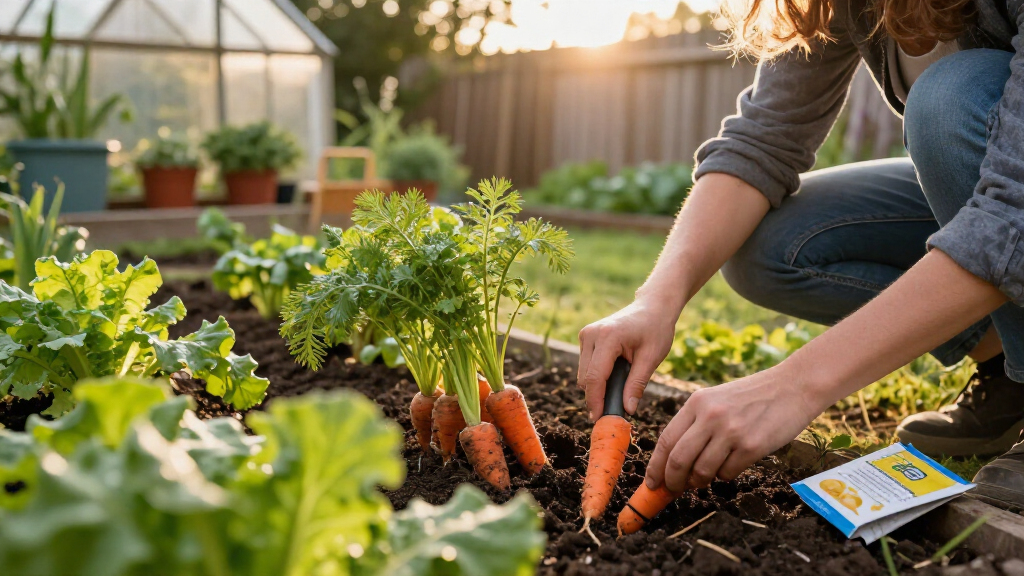
Gardening interest is rising in September as experts recommend planting seven vegetables now for harvests this fall and next spring. This extends the gardening season into late summer and early fall, offering gardeners fresh produce for longer.
Gardening enthusiasts can still extend their growing season by planting seven vegetables in September, according to recent expert advice. This strategy allows for harvests in late fall and early spring, making the most of the remaining warm weather and prepare your garden by planting bulbs in September for the next growing cycle. The advice comes amid rising interest in extending gardening efforts into late summer and early fall, despite the typical end of the planting season.
According to horticultural sources, seven vegetables are particularly suitable for planting in September: carrots, radishes, spinach, lettuce, broccoli, peas, and kale. These crops are known for their cold tolerance and ability to mature quickly, making them ideal choices for late-season planting. Experts suggest that planting these vegetables now can yield harvests in approximately 30 to 60 days, depending on the variety and local climate conditions. Learn more about planting bulbs in September to extend your gardening season.
Gardening specialists emphasize that timing is crucial; planting too late may reduce the chances of successful harvests before the first frost. Soil preparation, adequate watering, and mulching are recommended to protect young plants from early cold snaps. For more tips, see our guide on planting bulbs in September for fall blooms. Some experts also advise using row covers or cold frames to extend the growing period further, especially in regions prone to early frosts.
While this advice is gaining traction among gardening communities, it is important to note that local climate variations can influence success rates. Gardeners are encouraged to check regional frost dates and adjust planting schedules accordingly. The trend reflects a broader interest in sustainable, year-round gardening, with many seeking ways to maximize their yields and enjoy fresh produce for as long as possible.
Why September Planting Can Boost Your Harvests
This advice is significant because it allows gardeners to extend their harvest season beyond traditional planting times, providing fresh vegetables in late fall and early spring. It also supports sustainable gardening practices by making better use of available growing windows and reducing waste. For urban and small-space gardeners, this approach offers an opportunity to maximize yields without expanding their garden area. Additionally, planting in September can help gardeners develop resilience against food supply disruptions by producing their own fresh vegetables for longer periods.
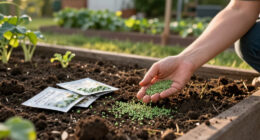
vegetable seed packets for fall planting
As an affiliate, we earn on qualifying purchases.
As an affiliate, we earn on qualifying purchases.
Late-Season Gardening Trends and Historical Planting Guides
Traditionally, most vegetable planting occurs in spring and early summer, with the growing season ending around the first frost. However, recent trends show increased interest in extending gardening seasons through techniques like succession planting, cold frames, and row covers. Experts have long recommended quick-maturing crops such as radishes and lettuce for late planting, but current coverage indicates a broader push to include vegetables like carrots, broccoli, and kale in September efforts. This shift is partly driven by rising food costs, sustainability concerns, and a desire for fresher produce.
Historical planting guides typically advise gardeners to sow these vegetables earlier in the season, but modern practices and climate adaptations now make September planting viable in many regions. The trend is also supported by climate change, which has led to milder falls in some areas, creating longer windows for successful late-season gardening.
As an affiliate, we earn on qualifying purchases.
Regional Variations and Frost Risks in September Planting
Success with September planting depends on regional climate conditions and frost dates. Some areas may experience milder falls allowing for extended growing periods, while others may face early frosts that limit harvests. Using protective measures like row covers or cold frames can help mitigate these risks. Gardeners should monitor local weather forecasts and frost warnings to optimize their planting strategies.
garden row covers for frost protection
As an affiliate, we earn on qualifying purchases.
As an affiliate, we earn on qualifying purchases.
Monitoring Weather and Adjusting Planting Schedules
Gardeners should stay updated on local weather forecasts and frost warnings to plan their planting accordingly. Employing protective measures such as cold frames and row covers can extend the growing season. Proper soil preparation and timely planting can maximize yields, and in regions with unpredictable weather, indoor or greenhouse cultivation may be considered to prolong the growing period.
As an affiliate, we earn on qualifying purchases.
Key Questions
Can I plant all vegetables in September?
No, only certain hardy and quick-maturing vegetables like carrots, radishes, spinach, lettuce, broccoli, peas, and kale are suitable for planting in September. Less tolerant crops may not mature before the first frost.
How can I protect my plants from early frosts?
Using row covers, cold frames, or mulching can help insulate plants from cold snaps. Monitoring local frost dates and covering plants early can improve success rates.
How long does it take for September-planted vegetables to harvest?
Most of these vegetables can be harvested within 30 to 60 days after planting, depending on the variety and local climate conditions.
Is September planting suitable for all regions?
No, success depends on regional climate and frost dates. Gardeners should check local weather forecasts and adapt accordingly.
Can I extend this planting into October?
In some regions, with proper protection, planting can continue into October, but success diminishes as temperatures drop. It’s best to follow local frost predictions.
Source: rss
Fall Picks
fall essentials
As an affiliate, we earn on qualifying purchases.