
TL;DR

Get garden gear delivered free with Prime
- Fast, free delivery on millions of items
- Prime Video, Amazon Music and more included
- Member-only deals all year
Crabgrass is rapidly spreading across many lawns, driven by recent warm weather and soil conditions. Experts recommend specific lawn care practices to control its growth. The trend indicates increasing concern among homeowners about invasive weeds, though the exact cause of the surge remains unconfirmed.
Many homeowners are noticing an increase in crabgrass taking over their lawns, prompting a surge in search interest and concern. Experts confirm that recent weather patterns and specific soil conditions favor crabgrass growth, and they recommend immediate lawn care measures to prevent it from spreading further. This development matters because uncontrolled crabgrass can quickly dominate a yard, affecting aesthetics and turf health.
Crabgrass, a common invasive weed, is spreading rapidly across lawns nationwide, especially during warmer months. According to horticultural specialists, recent weather conditions—such as unseasonably warm soil temperatures and irregular rainfall—create an ideal environment for crabgrass germination and growth. Homeowners have reported a noticeable increase in crabgrass patches, leading to a spike in online searches for control methods. Experts advise that early intervention is crucial to prevent the weed from overtaking the entire yard.
Control strategies recommended by lawn care professionals include applying pre-emergent herbicides before crabgrass seeds sprout, typically in early spring, and maintaining a healthy, dense turf to outcompete the weed. Post-emergent herbicides can help manage existing patches, but timing is critical. Proper mowing, watering, and fertilization also play roles in strengthening the lawn against invasion. It is important to follow product instructions carefully, especially regarding safety precautions, as some herbicides contain chemicals that can harm children and pets if misused.
While some claims suggest that climate change may be contributing to the increased crabgrass prevalence, experts emphasize that the current surge is primarily linked to specific weather patterns and lawn management practices. The trend remains under observation, and further studies are needed to confirm long-term causes.
Impacts of Crabgrass on Lawn Health and Home Value
The rapid spread of crabgrass can significantly degrade lawn appearance and health, leading to patchy, uneven turf that is more susceptible to erosion and disease. For homeowners, this invasion can reduce curb appeal and property value. Additionally, if left unchecked, crabgrass can establish a resilient seed bank, making future control more difficult and costly. Early and effective management is essential to maintain a healthy, attractive yard and prevent invasive weeds from taking over.
As an affiliate, we earn on qualifying purchases.
Recent Trends and Conditions Favoring Crabgrass Growth
Crabgrass is a warm-season annual weed that thrives in disturbed soils and areas with poor turf density. Historically, its growth peaks in late spring and summer, but recent weather patterns have extended its active period. Increased lawn care interest in recent weeks correlates with rising temperatures and irregular rainfall, which create optimal conditions for germination. While some experts speculate that climate variability may be influencing its spread, no definitive studies confirm this link yet. The trend appears to be driven primarily by environmental factors and lawn management practices.
post-emergent crabgrass weed killer
As an affiliate, we earn on qualifying purchases.
As an affiliate, we earn on qualifying purchases.
Unconfirmed Factors Behind the Crabgrass Surge
While recent weather conditions are believed to be a primary driver, it is not yet confirmed whether climate change or other environmental shifts are contributing to the increased prevalence of crabgrass. Researchers are still studying long-term trends, and current data do not definitively link broader climate patterns to this specific surge. The exact timing and extent of future invasions remain uncertain, and further monitoring is needed.
As an affiliate, we earn on qualifying purchases.
Next Steps for Homeowners and Lawn Professionals
Experts recommend that homeowners implement early preventative measures, such as applying pre-emergent herbicides in early spring and maintaining healthy turf through proper mowing and fertilization. Lawn care companies are expected to increase outreach and guidance on effective control methods. Ongoing research will aim to clarify the environmental factors influencing crabgrass growth, and future updates may include new products or techniques. Homeowners should stay informed through local extension services and lawn care advisories to adapt their strategies as needed.
As an affiliate, we earn on qualifying purchases.
Key Questions
When should I apply pre-emergent herbicide for crabgrass?
The best time to apply pre-emergent herbicide is typically in early spring, before soil temperatures reach 55°F (13°C), which is when crabgrass seeds begin to germinate. Local climate conditions may influence the exact timing, so consult your extension service for region-specific recommendations.
Can I control crabgrass without chemicals?
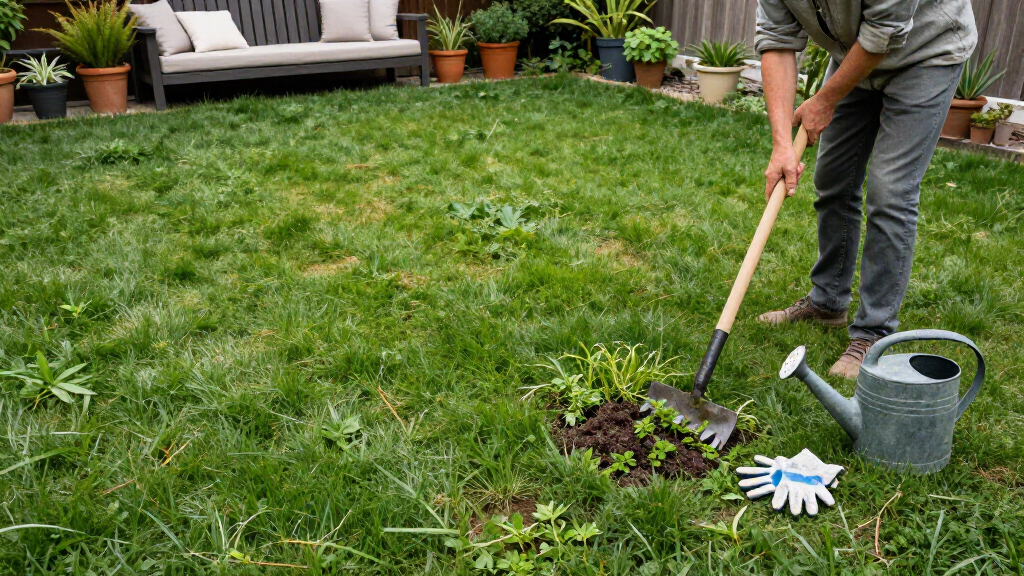
Yes, maintaining a dense, healthy turf through proper mowing, watering, and fertilization can help suppress crabgrass. Hand-pulling or spot-treating patches can also be effective, especially in small areas. However, chemical controls are generally more efficient for large infestations.
Will crabgrass come back every year?
Crabgrass is an annual weed, meaning it completes its life cycle in one year. If controlled properly with pre-emergent herbicides and good lawn practices, it can be prevented from establishing a seed bank for the following season. Without management, it is likely to return each year.
Are there environmentally friendly options for controlling crabgrass?
Some organic methods include hand-pulling, overseeding with dense turfgrass, and using natural weed suppressants. However, these approaches may be less effective for large invasions, and combining them with cultural practices is often recommended for best results.
Source: rss
Halloween Picks
halloween
As an affiliate, we earn on qualifying purchases.