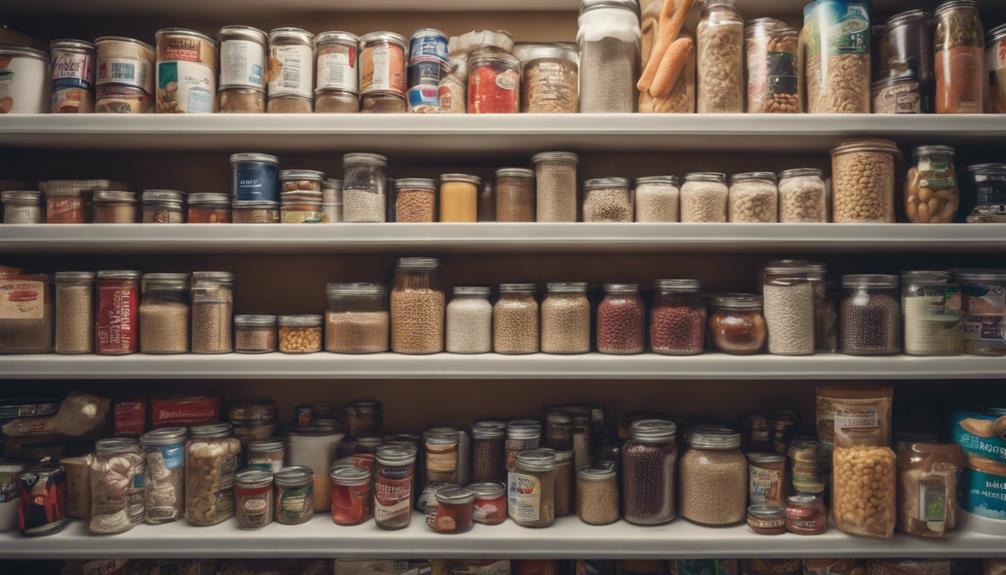
Foraging and gardening are essential skills for preppers aiming to build resilient food sources. The best resources combine detailed identification guides with practical gardening advice, ensuring readiness in any emergency. The Encyclopedia of Country Living stands out as the top overall pick for its comprehensive approach, while The Prepper’s Survival Gardening offers a straightforward step-by-step plan perfect for beginners. A key challenge is balancing detailed wild food knowledge with effective growing techniques, often forcing preppers to choose between depth and simplicity. Keep reading for an in-depth comparison of the best guides to help you prepare effectively for any situation.

Get garden gear delivered free with Prime
- Fast, free delivery on millions of items
- Prime Video, Amazon Music and more included
- Member-only deals all year
Complete the kit


Key Takeaways
- The most comprehensive guides blend wild food foraging with sustainable gardening strategies.
- Top picks are distinguished by clarity, usability, and depth of information suitable for prepping needs.
- Tradeoffs often involve choosing between beginner-friendly simplicity and advanced detailed knowledge.
- Quality of illustrations and identification tips are critical for safe foraging.
- Practical step-by-step gardening plans are key for ensuring a reliable food supply during emergencies.




More Details on Our Top Picks
The Encyclopedia of Country Living, 50th Anniversary Edition: The Original Manual for Living Off the Land & Doing It Yourself
This comprehensive manual stands out for its breadth, covering nearly every aspect of country living, homesteading, and off-grid survival. Compared with more specialized guides like The Forager’s Harvest, this encyclopedia offers a broad foundation that supports multiple skills—gardening, animal husbandry, food preservation, and more—making it invaluable for those building a self-sufficient setup. Its 50-year history ensures it remains relevant, with updates reflecting modern practices. The main tradeoff is that, being a book, it requires dedicated study and isn’t a quick reference; it’s ideal for preppers committed to deep learning rather than quick tips. This pick is best for those seeking a holistic, long-term resource to underpin all aspects of off-grid living.
Pros:- Extensive coverage of homesteading topics from livestock to food preservation
- Established and trusted resource with 50 years of updates and revisions
- Suitable for both beginners and experienced homesteaders seeking a foundational guide
Cons:- Heavy and large, less convenient for quick reference in the field
- Lacks detailed step-by-step instructions for specific tasks like plant identification
Best for: Preppers who want an all-in-one reference manual covering the fundamentals of homesteading and off-grid survival
Not ideal for: Preppers looking for quick, actionable foraging guides or specific plant identification without broader homesteading context
- Format:Book
- Edition:50th Anniversary Edition
- Topic:Homesteading & Off-Grid Survival
Our verdict“This book is ideal for preppers seeking a comprehensive, long-term reference for all aspects of homesteading and off-grid living.”
The Forager’s Harvest: A Guide to Identifying, Harvesting, and Preparing Edible Wild Plants
This guide excels for its authoritative content from foraging expert Samuel Thayer, making it perfect for those serious about wild plant identification and harvesting. Unlike Nature’s Garden, which offers practical field tips, The Forager’s Harvest dives deeper into plant identification and preparation, ensuring users can confidently forage without risking unsafe look-alikes. While comprehensive, it assumes some basic knowledge and can be dense for absolute beginners. The main tradeoff is that it doesn’t cover broader survival skills, focusing solely on edible plants. This book makes the most sense for preppers who want a trusted, detailed guide to safely incorporating wild foods into their prepper pantry.
Pros:- Authoritative and detailed coverage from a recognized foraging expert
- Covers identification, harvesting, and preparing wild plants in one volume
- Focuses on safe, effective foraging practices
Cons:- No detailed content available from the raw data, requiring prior familiarity with foraging
- Less suited for quick reference in the field due to its depth
Best for: Preppers with some foraging experience who want a detailed, authoritative guide to edible wild plants
Not ideal for: Complete beginners who need a more visual or simplified introduction to wild plant identification
- ASIN:0976626608
- Format:Book
Our verdict“This guide is best for preppers who want a reliable, detailed resource for safely harvesting wild edible plants.”
The Prepper’s Survival Gardening: A Step-by-Step Guide to Grow Nutritious Crops, Herbs, and Vegetables to Feed Your Family When It Matters Most
This guide is tailored for preppers interested in building a resilient food supply through gardening, with clear, step-by-step instructions suitable for newcomers and seasoned gardeners alike. Compared to purely wild foraging books like Nature’s Garden, this manual emphasizes cultivation of nutritious crops, herbs, and vegetables that can be reliably grown during crises. While detailed and practical, it lacks physical tools or seed sources, focusing solely on gardening advice. Its main tradeoff is that it doesn’t cover wild food sources, so it’s less versatile for those seeking a comprehensive foraging resource. This book makes the most sense for preppers committed to growing their own food as a primary survival strategy.
Pros:- Clear, step-by-step guidance suitable for beginners
- Focus on nutritious crops, herbs, and vegetables for survival
- Practical advice for establishing a resilient garden
Cons:- No information on wild foraging or natural food sources
- Limited to gardening advice, not a physical product or seed kit
Best for: Preppers starting out or looking to expand their home garden to ensure food security during emergencies
Not ideal for: Preppers seeking detailed wild plant identification or foraging techniques without gardening focus
Our verdict“This book is ideal for preppers who want to grow their own nutritious food to sustain their families during crises.”
Nature’s Garden: A Guide to Identifying, Harvesting, and Preparing Edible Wild Plants
This guide is tailored for those interested in the practical aspects of foraging and preparing wild plants, making it a solid choice alongside The Forager’s Harvest. Unlike the latter’s more detailed and authoritative approach, Nature’s Garden emphasizes the field-to-table process, helping readers use wild plants safely and effectively. Its focus on practical plant use makes it suitable for foragers and gardeners looking to incorporate wild foods into their diet. The main drawback is the need for careful plant identification—mistakes can be risky—highlighting the importance of proper knowledge. Compared to general wild food guides like The Forager’s Guide to Wild Foods, this offers a more targeted, hands-on approach. This guide is best for preppers who want practical, edible wild plant knowledge for everyday use.
Pros:- Focuses on the practical use of wild plants from field to table
- Supports safe harvesting and preparation techniques
- Useful for both foraging and natural food preparation
Cons:- Requires careful identification to avoid unsafe look-alikes
- Limited detailed content from the raw data
Best for: Preppers interested in practical, field-based wild plant identification, harvesting, and preparation
Not ideal for: Beginners without prior plant identification knowledge or those looking for extensive wild food databases
- ASIN:0976626616
Our verdict“This guide suits preppers who want practical, hands-on knowledge for safely using wild plants in everyday cooking.”
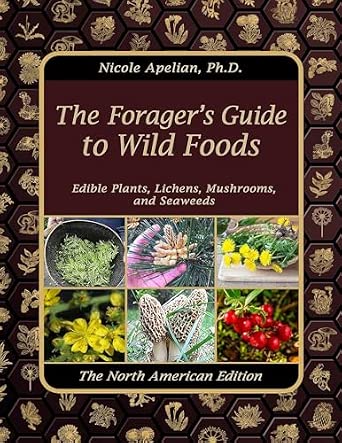
The Forager’s Guide to Wild Foods
This book offers a broad overview of wild food identification and use, making it useful for outdoor enthusiasts and casual foragers. Compared with The Forager’s Harvest, it may lack the same depth and authoritative detail, but it compensates with a focus on a wide range of natural food sources suitable for outdoor adventures. Its general approach makes it less ideal for those seeking detailed safety instructions or comprehensive identification guides. The main drawback is the limited available content details, which can hinder assessing its full usefulness. This pick is best for preppers who want a straightforward, quick-reference guide for outdoor wild foods.
Pros:- Covers a wide range of wild foods and natural sources
- Useful for outdoor enthusiasts and casual foragers
- Concise and easy to carry for field use
Cons:- Lacks detailed safety and identification guidance
- Limited content details make full evaluation difficult
Best for: Preppers who need a broad, quick overview of wild foods for outdoor foraging and outdoor survival scenarios
Not ideal for: Preppers seeking detailed, in-depth guidance on specific edible plants or safety protocols
- ASIN:1735481513
- Format:Book
Our verdict“This guide is best for preppers looking for a broad, quick-reference wild foods guide suitable for outdoor scenarios.”
Beginner’s Survival Gardening Guide: Grow, Harvest, and Store 15 Crops to Guarantee Your Own Food Supply for Years to Come
This guide stands out for its focus on teaching absolute beginners how to grow and store 15 key crops, making it a solid starting point for those new to survival gardening. Unlike more comprehensive books like The Encyclopedia of Country Living, this one zeroes in on practical, actionable steps for a small-scale, sustainable food supply. Its step-by-step approach helps users understand the basics of planting, harvesting, and long-term storage, which is essential for prepping. The main tradeoff is that it offers limited crop variety and depth, which might leave more experienced gardeners wanting more detail. However, for someone just starting out, this book simplifies the process and reduces overwhelm.
Pros:- Designed specifically for beginners, reducing learning curve
- Focuses on 15 essential crops, ensuring practicality for self-sufficiency
- Includes guidance on harvesting and long-term storage, crucial for prepping
Cons:- Limited crop selection may not satisfy experienced gardeners
- Lacks detailed content and advanced gardening techniques
Best for: Preppers with zero gardening experience who want a straightforward, beginner-friendly start.
Not ideal for: Seasoned gardeners or those seeking in-depth crop diversity and advanced techniques.
- Format:Book
- Topic:Survival gardening
- Skill Level:Beginner
Our verdict“This guide makes the most sense for newcomers who want a simple, practical plan to start growing their own survival food.”
The Prepper’s Guide to Foraging: How Wild Plants Can Supplement a Sustainable Lifestyle, Revised and Updated, Second Edition
This revised second edition offers practical foraging knowledge tailored for preppers who want to incorporate wild plants into their self-reliance routines. Compared to The Survivor’s Pantry, which emphasizes identification and harvesting, this guide expands on integrating foraged foods into a sustainable lifestyle, with a focus on modern application. Its updated content helps preppers understand how to use wild plants safely and effectively, aligning with goals of resilience and resourcefulness. However, it lacks detailed reviews and user feedback, which might leave some readers uncertain about its real-world applicability. Still, it provides a balanced overview suitable for those seeking to expand their foraging skills.
Pros:- Practical foraging guidance supporting sustainability goals
- Updated and revised to reflect current foraging practices
- Focuses on real-world application for preparedness
Cons:- No detailed product reviews or ratings available
- May require prior plant knowledge for safe use
Best for: Preppers interested in sustainable living and enhancing their food resilience through wild plants.
Not ideal for: Complete beginners without any prior knowledge of plant identification or natural resource use.
- Edition:Second Edition
- Subject:Foraging and Wild Plants
- Focus:Sustainable Lifestyle and Preparedness
Our verdict“Ideal for preppers who want an updated, practical guide to integrating wild plants into their resilience strategies.”
The Survivor’s Pantry: Foraging for Wild Edibles
This book provides a comprehensive approach to identifying, harvesting, and storing wild edibles for survival scenarios, making it a valuable resource alongside books like The Complete Guide to Edible Wild Plants. Its emphasis on emergency preparedness and self-reliance makes it suitable for outdoor-focused preppers. While it covers techniques for safe foraging and preservation, it does not specify detailed plant identification guides or regional variations, which could limit its usefulness for absolute beginners. Its strength lies in its focus on practical survival applications, yet it assumes some baseline knowledge of plants for safe foraging.
Pros:- Comprehensive coverage of wild edible plants and techniques
- Focus on survival and emergency scenarios
- Includes preservation methods for long-term storage
Cons:- Lacks regional specificity and detailed plant profiles
- Requires some prior plant identification knowledge for safety
Best for: Preppers preparing for wilderness survival and emergency scenarios involving wild food collection.
Not ideal for: Beginners with no prior plant knowledge, as it requires some familiarity to forage safely.
Our verdict“Best suited for preppers who want a survival-centric guide to wild edibles and are comfortable with basic plant knowledge.”
Backyard Foraging: 65 Familiar Plants You Didn’t Know You Could Eat
This book makes foraging approachable by highlighting 65 common backyard plants that many overlook as edible. It’s ideal for those who prefer to forage close to home without extensive botanical training. Compared with The Complete Wild Food Survival Bible, which covers a broader range of wild plants, this book focuses on familiar, easily recognizable plants, reducing the risk of misidentification. Its regional limitation is a drawback, as plant availability varies widely. Nonetheless, for homeowners wanting to explore local edibles with minimal complexity, this guide offers a friendly starting point.
Pros:- Covers 65 common, easy-to-find edible plants
- Encourages foraging without extensive botanical knowledge
- Makes wild food accessible for beginners
Cons:- Limited to regional plant availability, may not apply everywhere
- Does not cover more obscure or less common wild foods
Best for: Homeowners eager to identify and harvest familiar plants around their property for daily use or emergency prep.
Not ideal for: Preppers in regions where these plants are not common or for those seeking a comprehensive wild foraging manual.
- Format:Book
- Plants Covered:65
Our verdict“Perfect for homeowners who want to start foraging with familiar plants and minimal complexity.”
The Complete Guide to Edible Wild Plants
This extensive guide offers detailed insights into identifying and harvesting a wide array of edible wild plants, making it suitable for both beginners and experienced foragers. Unlike Backyard Foraging, which concentrates on common yard plants, this book aims to cover a broad spectrum of wild foods, with safety tips and recipes that enhance practical use. Its comprehensive nature is a double-edged sword; while it provides depth, it may overwhelm newcomers without prior plant knowledge. The lack of specific edition details and images could hinder quick identification. Nonetheless, this book remains a valuable resource for those committed to mastering wild food foraging in prepper contexts.
Pros:- Extensive information on a wide range of wild edible plants
- Suitable for both beginners and seasoned foragers
- Includes safety tips and practical recipes
Cons:- Lacks specific edition or publication details
- May present a steep learning curve for complete novices
Best for: Preppers seeking an all-encompassing, detailed reference for wild edible plants and recipes.
Not ideal for: Absolute beginners or those looking for a quick, simplified guide without extensive details.
Our verdict“Ideal for dedicated preppers wanting a thorough, detailed resource to expand their wild food knowledge.”
The Complete Wild Food Survival Bible: 400+ Edible Wild Foods Foraging Guide
This guide stands out for its extensive coverage of over 400 wild foods, making it a formidable resource for preppers serious about wild foraging. Unlike The Forager’s Harvest, which focuses mainly on plant identification, this Bible offers detailed harvesting, hunting, fishing, and over 100 step-by-step survival recipes, transforming raw foraged ingredients into meal-ready options. The depth of information makes it ideal for those who prioritize survival cooking alongside identification skills. However, its lack of specific product features and absence of customer ratings make assessing practical usability challenging, especially compared to more focused guides. Compared to other wild food books, this one emphasizes survival scenarios and preparation techniques, but it might overwhelm beginners due to its breadth.
Pros:- Covers over 400 wild foods, providing a broad knowledge base
- Includes detailed harvesting, hunting, fishing, and cooking instructions
- Features more than 100 step-by-step survival recipes for practical application
Cons:- Lacks specific product features or technical specs for quick reference
- No customer reviews or ratings to gauge real-world effectiveness
- Potentially overwhelming for beginners due to its comprehensive scope
Best for: Preppers seeking a comprehensive, all-in-one wild food survival manual with detailed recipes and hunting guidance
Not ideal for: Beginners or those looking for quick, simplified wild edible guides, as the extensive scope may be intimidating
- Content Coverage:Over 400 wild foods
- Includes:Harvesting, hunting, fishing, cooking instructions
- Recipes:More than 100 step-by-step survival recipes
- Intended Audience:Outdoor enthusiasts, survivalists
- Format:Printed book
- Publication:Not specified
Our verdict“This guide is best for experienced preppers who want an all-encompassing wild food resource with detailed recipes for survival situations.”
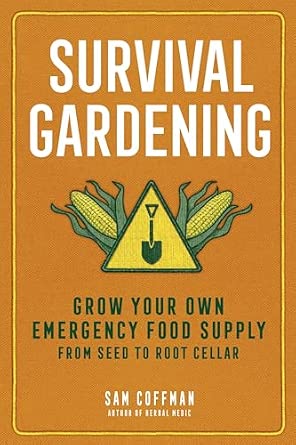
Survival Gardening: Grow Your Own Emergency Food Supply, from Seed to Root Cellar
This book makes an excellent companion for preppers focused on creating a resilient food source through gardening. Unlike The Prepper’s Survival Gardening, which offers a broad overview, this guide emphasizes the entire process—from planting seeds to storing harvests in a root cellar—providing practical, actionable steps. Its comprehensive approach supports preppers aiming for self-sufficiency and reduces dependence on wild foraging in uncertain conditions. However, the lack of detailed content or technical depth makes it less suitable for those seeking specific crop varieties or advanced techniques. Compared to more specialized guides, this book offers a balanced, all-in-one approach to emergency food gardening, but it might leave experienced growers wanting more technical details.
Pros:- Covers the entire process from seed planting to storage
- Focuses on building an emergency food self-sufficiency system
- Practical advice tailored to prepping scenarios
Cons:- Limited details available to assess the depth of content
- No advanced techniques or crop-specific guidance provided
- Potentially too general for seasoned gardeners seeking technical specifics
Best for: Preppers who want a straightforward, step-by-step manual for growing and storing their own emergency food supply
Not ideal for: Experienced gardeners or those seeking in-depth crop-specific techniques, as the content may be too general
- Content Focus:Seed to storage
- Approach:Practical, step-by-step
- Intended Audience:Preppers, beginners
- Format:Book
- Publisher:Not specified
Our verdict“This guide is ideal for preppers wanting a clear, practical roadmap to grow and store their own emergency food, especially beginners or those new to gardening.”
How We Picked
We evaluated each product based on its depth of content, clarity, usability, and relevance for preppers. Priority was given to resources that combine wild food identification with practical gardening advice, ensuring versatility in survival situations. We also considered the quality of illustrations, ease of understanding, and the potential for beginners versus seasoned preppers. Products offering step-by-step guidance, comprehensive wild plant lists, and realistic gardening plans ranked higher, as they provide actionable knowledge that can be applied in real-life scenarios. Our ranking reflects the best balance between detailed information and user-friendliness for prepping contexts.Factors to Consider When Choosing Foraging And Gardening For Preppers
Choosing the right foraging and gardening resources for prepping involves understanding several key factors. You need materials that balance detailed wild plant identification with practical, easy-to-follow gardening advice, especially under stressful or resource-scarce conditions. Consider your skill level, available space, and specific survival goals when evaluating options. The right resource will help you build a resilient, self-sufficient food system that can adapt to different emergencies. Keep in mind that investing in high-quality, comprehensive guides now can save time and reduce risks later.Content Depth and Practicality
Look for guides that offer detailed identification tips for wild plants, including photos and descriptions, to prevent dangerous mistakes. At the same time, practical gardening advice—like planting schedules, soil prep, and preservation techniques—ensures your food supply remains steady. Resources that focus solely on wild foods or gardening may leave gaps; the best prepper guides bridge both worlds. Consider your familiarity with wild plants and gardening, choosing a resource aligned with your current skill level and future learning goals.
Usability and Clarity
Clear illustrations, straightforward language, and organized layouts make a significant difference. Guides cluttered with technical jargon or ambiguous images can increase risks or slow down your learning process. Visual aids that highlight key features of edible versus toxic plants are especially valuable. For gardening, step-by-step instructions that are easy to implement will make the difference in non-ideal conditions, such as limited tools or time.
Durability and Format
Printed books are generally more durable and easier to reference in the field, especially during power outages or when using digital devices isn’t practical. Consider the size and weight if you plan to carry your resources into the field or store them in a bug-out location. Some guides come with waterproof or laminated pages, which are beneficial in outdoor environments. Digital versions can be handy for quick searches but may require power or internet access, so assess your needs accordingly.
Scope and Customization
Ensure the guide covers your local climate and native flora, or offers adaptable advice for different environments. A broad scope that includes common edible plants and practical garden crops makes it easier to plan for various scenarios. Resources that include seasonal foraging tips and preservation methods provide added utility. Avoid overly generic guides if you need tailored, actionable advice specific to your region or prepping goals.
Price and Value
While investing in a comprehensive guide might seem costly, it can be cost-effective by reducing mistakes and increasing your success rate. Cheaper options may lack depth, illustrations, or practical advice, leading to frustration or dangerous errors. Balance your budget with the importance of quality content; remember that a high-quality resource can be a long-term asset for your prepping library. Consider whether additional online resources or courses complement the book, especially if you’re a beginner.
Frequently Asked Questions
How do I safely identify wild edible plants without risking poisoning?
Proper identification is critical for safe foraging. Use guides with clear photos and detailed descriptions, and always cross-reference multiple sources. When in doubt, consult local foraging experts or extension services. Start by foraging in areas where you are certain of the plant’s identity, and avoid plants with toxic look-alikes. Remember, even experienced foragers double-check their identifications, especially when trying new species.
What are the best ways to preserve wild foods and garden harvests during emergencies?
Dehydration, canning, and freezing are the most reliable preservation methods for wild and garden foods. Each method requires some equipment, but dehydration and canning are often the most feasible in survival scenarios without electricity. Learning basic preservation techniques from your chosen guides can extend your food’s shelf life significantly. Proper preservation not only ensures food security but also reduces waste and maximizes your harvests.
Should I focus more on wild foraging or gardening for prepping?
Both skills are vital, but the best approach depends on your environment and available resources. Wild foraging offers immediate access to a variety of free, native foods, while gardening provides predictable, controlled harvests. Combining both gives you flexibility and resilience—wild foods can supplement your garden, especially when planting seasons are short or resources are limited. For most preppers, a balanced approach that develops skills in both areas offers the greatest security.
Are there specific guides better suited for beginners versus experienced preppers?
Yes, beginner-friendly guides emphasize simplicity, step-by-step instructions, and basic identification, making them ideal for newcomers. More advanced resources include detailed botanical descriptions, extensive wild plant lists, and complex garden planning, better suited for experienced preppers seeking depth. When starting out, choose a guide that matches your current knowledge level and gradually expand to more comprehensive resources as your skills grow.
How do I adapt foraging and gardening strategies to my local climate and environment?
Start by researching native edible plants and suitable garden crops for your region. Good guides include regional-specific advice or maps, which help you focus on plants that thrive locally. Adjust your foraging and planting plans according to seasonal patterns, soil conditions, and available water sources. Local extension offices and regional foraging groups can offer invaluable tailored insights, making your efforts more effective and sustainable.
Conclusion
For those new to prepping or aiming for simplicity, The Prepper’s Survival Gardening offers a straightforward, easy-to-follow plan. If you seek the most comprehensive resource, The Encyclopedia of Country Living provides unmatched depth for experienced preppers ready to master both wild foods and gardening. Budget-conscious preppers should consider guides that offer solid value without sacrificing clarity, while seasoned enthusiasts might prefer premium books with detailed botanical and preservation techniques. Ultimately, your choice depends on your experience level, regional needs, and specific prepping goals—select the resource that best aligns with your current skills and future plans.
Fall yard work Picks
leaf blowers
As an affiliate, we earn on qualifying purchases.