
TL;DR
Organizing garden tools boosts efficiency and tool longevity. Using vertical racks, labeling, and weatherproof storage saves space and prevents rust. DIY options add a personal touch.
Picture this: a cluttered shed overflowing with tangled hoses, rusty pruners, and mismatched gloves. Frustrating, right? You can transform that chaos into a sleek, tidy space that makes gardening easier and more fun. The secret lies in smart garden tool storage organization.
In this guide, you’ll discover how to maximize space, protect your tools from weather, and create a system that works for your garden’s size and style. Whether you have a tiny balcony or a sprawling backyard, these tips will help you keep everything within arm’s reach and in top shape.
Use vertical and wall-mounted storage to save up to 50% of ground space.
Label and categorize tools to find what you need in seconds.
Store tools in dry, covered areas and clean them before putting away to prevent rust.
Get creative with DIY solutions using repurposed furniture and household items.
Regularly review and reorganize your storage to maintain efficiency.
How to Pick the Perfect Storage Spot for Your Garden Tools
Your first step? Find a spot that’s easy to access and protected from the elements. Think about a corner of your shed, a wall in your garage, or a covered porch. The goal: keep tools dry, organized, and ready to grab when you need them.
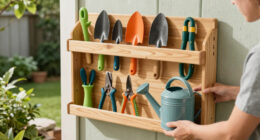
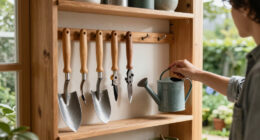
For example, a wall-mounted rack near your garden bed means fewer trips back and forth. If space is tight, a corner shelf or a compact cabinet can do the trick. Just make sure the location allows for good airflow and keeps tools out of direct sunlight or rain.
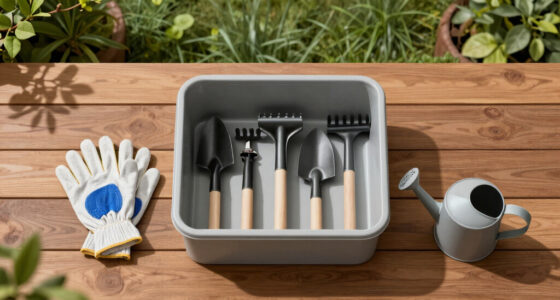
wall-mounted garden tool rack
As an affiliate, we earn on qualifying purchases.
As an affiliate, we earn on qualifying purchases.
5 Space-Saving Storage Ideas That Actually Work
When space is limited, every inch counts. Here are five smart ways to maximize your garden storage:
- Wall-mounted pegboards: Versatile and customizable, they let you hang everything from pruners to gloves. This flexibility allows you to adapt your storage as your collection grows or changes, ensuring your tools are always within reach and neatly organized.
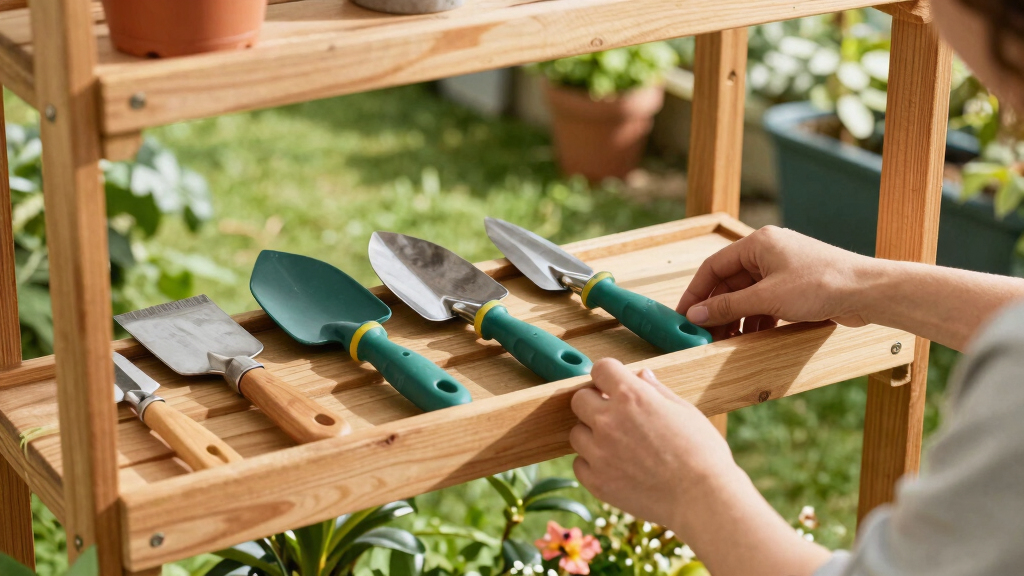
- Vertical racks: Use tall, narrow shelving for buckets, watering cans, or small tools. Vertical storage minimizes ground clutter and makes it easier to see and access each item, which can significantly cut down time spent searching for tools.
- Overhead storage: Install hooks or racks overhead for seldom-used tools or seasonal gear. This approach frees up valuable wall space for daily-use items while keeping less-needed tools out of the way but still accessible when needed.
- Magnetic strips: Perfect for small metal tools like screwdrivers or trowels. Magnetic strips keep these tools visible and accessible, reducing the chance of losing small items and preventing clutter in drawers or boxes.
- Repurposed furniture: Turn an old dresser or pallet into a unique storage station. This DIY approach not only saves money but also allows you to customize storage based on your specific needs, making organization a fun and personal project.
Imagine hanging your pruning shears on a magnetic strip next to your potting soil — quick to grab, easy to put away. These ideas make a tiny shed feel like a well-organized workshop.
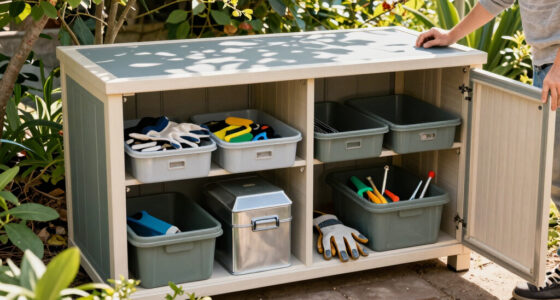
garden tool storage cabinet
As an affiliate, we earn on qualifying purchases.
As an affiliate, we earn on qualifying purchases.
Comparison Table: Storage Options for Different Garden Sizes
| Storage Type | Best For | Space Needed | Pros | Cons |
|---|---|---|---|---|
| Wall-mounted pegboard | Small to medium gardens | Minimal | Highly customizable, easy to see tools | Requires wall space |
| Freestanding cabinet | Medium to large gardens | Moderate | Protects tools from weather, secure | Takes up floor space |
| Overhead racks | Limited space, seasonal storage | Minimal | Maximizes vertical space | Less accessible for heavy tools |
| DIY pallet shelving | Budget-conscious gardeners | Variable | Customizable, eco-friendly | May require assembly and weatherproofing |
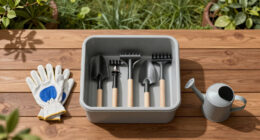
weatherproof garden tool box
As an affiliate, we earn on qualifying purchases.
As an affiliate, we earn on qualifying purchases.
How to Keep Your Garden Tools Rust-Free and Ready to Use
Rust is the enemy of garden tools. To keep your shears, shovels, and rakes in top shape, store them in a dry, covered space. But beyond just storing them properly, understanding why rust occurs helps you take proactive steps to prevent it. Rust forms when metal reacts with moisture and oxygen, which is common in outdoor or humid environments. If neglected, rust can weaken tools, make them difficult to use, and shorten their lifespan.
Rust not only compromises the structural integrity of your tools but also makes them less effective and more dangerous to use. When metal rusts, it creates rough surfaces that can cause cuts or splinters, and it can also spread to other tools if not addressed. Therefore, regular maintenance is key: wipe tools after each use, dry them thoroughly, and apply a protective coat of oil or rust inhibitor. This creates a barrier against moisture, significantly extending their usability. Choosing storage that promotes good air circulation—like hooks or open shelving—also helps reduce humidity buildup, further preventing rust from forming. Investing a little time in proper storage and maintenance can save you money and frustration in the long run, ensuring your tools stay sharp, rust-free, and ready whenever you need them.
vertical garden tool organizer
As an affiliate, we earn on qualifying purchases.
As an affiliate, we earn on qualifying purchases.
DIY Storage Hacks That Save Money and Add Personal Flair
Thinking outside the box can turn old furniture or household items into smart storage solutions. For instance, an old ladder can become a multi-tiered rack for hanging tools. Wooden crates can be stacked to create shelving, or repurposed buckets can hold smaller items like twine or seed packets. These DIY solutions often require minimal investment but can be tailored to your specific space and aesthetic preferences, turning functionality into a creative expression.
Imagine turning a rusted wheelbarrow into a charming garden tool station by painting it bright colors and installing hooks inside. Not only does this add a splash of personality to your garden, but it also keeps your tools organized and easily accessible. DIY projects like these encourage resourcefulness, reduce waste, and give your garden a unique, personalized charm that store-bought solutions can’t match. Moreover, these projects often allow you to customize storage based on your specific needs, making organization more intuitive and tailored. Creating your own storage solutions fosters a sense of ownership and pride, transforming garden organization from a chore into a creative and satisfying activity.
Frequently Asked Questions
What are the best types of storage for small gardens?
Vertical wall-mounted racks, pegboards, and compact cabinets maximize every inch of space in small gardens. These options keep tools organized and accessible without crowding your garden area.
How can I organize my gardening tools effectively?
Group similar tools together, label storage bins, and install hooks or racks for quick access. For example, keep all pruning tools on one section and digging tools on another for instant findability.
What materials are best for outdoor tool storage?
Weather-resistant materials like plastic, powder-coated metal, or treated wood prevent rust and deterioration. Choose storage units that can withstand rain, humidity, and sun exposure.
How do I prevent rust and corrosion on my tools?
Store tools in a dry, covered space. Wipe and dry tools after use, and apply a thin layer of oil or rust inhibitor. Regular maintenance ensures tools stay sharp and rust-free.
Are there DIY options for garden tool storage?
Yes, many gardeners craft custom storage from pallets, old furniture, or household items. These solutions are budget-friendly and can be tailored to your space and style.
Conclusion
Keeping your garden tools organized isn’t just about tidiness — it’s about protecting your investment and making gardening less frustrating. A simple, thoughtful system transforms chaos into calm, saving you time and prolonging tool life.
So, grab an old pallet, a few hooks, and a splash of paint. Your garden—and your future self—will thank you for it.