
To spot wildlife without disturbing its behavior, blend into your environment by wearing neutral, earth-tone clothing and using natural cover like trees or tall grass. Move slowly and quietly, avoiding sudden movements and loud sounds, while observing during dawn or dusk when animals are most active. Practice patience, maintain respectful distances, and use binoculars for clear views. Mastering these techniques helps you enjoy genuine encounters—if you want to learn more, keep exploring these effective strategies.
Key Takeaways
- Use natural cover and camouflage clothing to blend into the environment and avoid startling animals.
- Move slowly and quietly, minimizing noise and sudden movements to prevent alerting wildlife.
- Observe during dawn and dusk when animals are most active and less wary of human presence.
- Maintain a respectful distance and avoid direct eye contact to prevent disrupting natural behaviors.
- Use binoculars or scopes for viewing, keeping a low profile to stay undetected.
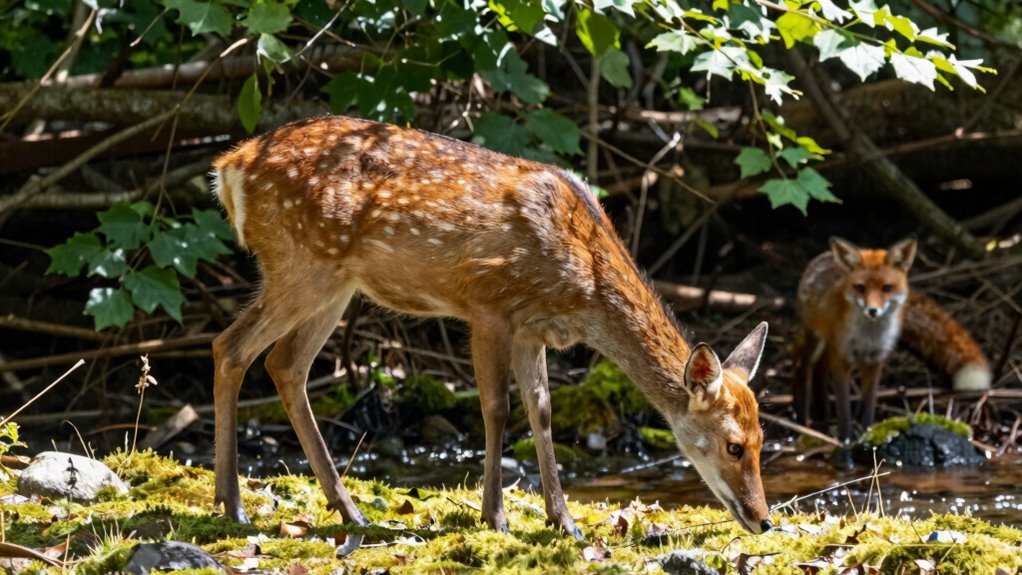
Observing wildlife without disturbing their natural behavior requires patience and the right approach. When you’re out in nature, your goal is to blend seamlessly into the environment so animals don’t notice your presence. This is where effective camouflage techniques come into play. You can wear neutral-colored clothing that mimics the surroundings—earth tones like browns, greens, and grays help you stay inconspicuous. Using natural cover, such as trees, bushes, or tall grass, allows you to hide your silhouette and approach wildlife more discreetly. Avoid sudden movements or loud noises, which can startle animals and cause them to flee or hide. Instead, adopt a slow, deliberate pace to minimize your impact on their behavior.
Blend into nature with earth-toned clothing and natural cover for discreet wildlife observation.
Silent observation is vital if you want to witness animals in their most natural state. Equip yourself with a good pair of binoculars or a spotting scope to keep a safe distance while still getting a clear view. Moving quietly and avoiding unnecessary noise—like rustling leaves or snapping twigs—helps you remain undetected. Many animals are highly sensitive to sound and can be frightened away by even small disturbances. Practice breathing calmly and moving softly, and consider using natural cover as a shield. Remember, patience is key; animals often need time to resume their activities after detecting a threat, so stay still and quiet for extended periods. Developing your wildlife awareness can further improve your ability to anticipate animal behavior and respond appropriately. Additionally, understanding their natural habits can help you time your observation more effectively. Employing behavioral cues can also alert you to when animals are most receptive to observation. Having knowledge of animal communication signals can further enhance your ability to interpret their behaviors and reactions.
Creating a low-profile presence in the environment also helps prevent animals from becoming wary of your presence. Timing also plays a significant role in silent observation. Early mornings and late evenings are typically the best times to observe wildlife, as animals are most active during these periods. During these times, animals tend to be less wary of visitors, especially if you’ve already established a low-profile presence. Keep your movements minimal and your eyes alert. Use natural features like rocks or fallen logs as vantage points, but always ensure you don’t make sudden or loud moves that could alert nearby creatures.
The more you practice camouflage techniques and silent observation, the better you’ll become at approaching wildlife with respect and minimal disturbance. Remember that patience isn’t just a virtue—it’s your most valuable tool in wildlife observation. By blending into the environment and moving quietly, you give yourself the best chance to see animals behaving naturally, providing authentic moments that make your experience meaningful. Respect their space and remember that your goal is to observe without altering their behavior, guaranteeing that both you and the wildlife have a rewarding encounter.
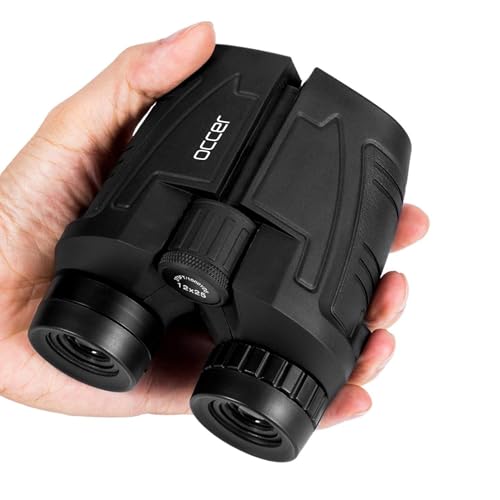
Occer 12×25 Compact Binoculars for Adults and Kids
- High Magnification and Wide Field: 12x magnification with 25mm lens and 273ft view
- Adjustable Eyecups for Comfort: Fits glasses wearers with adjustable rubber eyepieces
- FMC Broadband Coating Technology: Enhanced image clarity with multilayer coatings
As an affiliate, we earn on qualifying purchases.
As an affiliate, we earn on qualifying purchases.
Frequently Asked Questions
What Are the Best Times of Day for Wildlife Observation?
You should observe wildlife early in the morning or late in the afternoon when animals are most active, taking advantage of the golden hours for wildlife motion. During these times, stay silent and practice stalking quietly to avoid startling animals. Moving slowly and blending into the environment allows you to get closer without disturbing their natural behavior. These periods increase your chances of observing wildlife in their natural, undisturbed state.
How Can Weather Conditions Affect Wildlife Visibility?
Weather conditions considerably impact wildlife visibility. Weather patterns like rain, fog, or snow can obscure your view, making animals harder to spot. Seasonal shifts also influence animal activity; many creatures are more active during mild weather, while extreme conditions push them into hiding. By understanding these patterns, you can plan your observation times when animals are most visible, enhancing your chances without disturbing their natural behavior.
Are There Specific Clothing Tips for Discreet Observation?
Yes, you should wear camouflage techniques that blend with your environment to remain discreet. Opt for quiet footwear to avoid making noise that could startle wildlife. Choose muted, natural tones and avoid bright colors or shiny materials. Move slowly and calmly, keeping your movements minimal. These tips help you observe animals without disturbing their natural behavior, allowing for a more authentic and respectful wildlife experience.
What Legal Considerations Exist for Wildlife Watching?
You need to obtain legal permissions before wildlife watching, especially in protected areas, to guarantee you’re complying with local laws. Respect wildlife protection regulations by avoiding disturbances and staying within designated zones. Always follow rules for permits and restrictions, and be aware of sensitive habitats. Being informed about legal considerations helps you enjoy observing animals responsibly and sustainably, ensuring their safety and conservation efforts remain effective.
How Do Different Habitats Influence Wildlife Activity?
Habitat diversity shapes wildlife activity just as a canvas influences an artist’s brushstrokes. In lush forests, animals are active during dawn and dusk, while open grasslands see daytime activity. Different habitats influence behavior and movement, and your presence can impact this delicate balance. By understanding ecosystem impacts, you can observe wildlife respectfully, appreciating how each habitat fosters unique behaviors without disturbing the natural rhythm of life.

Ghillie Suit Camouflage Hunting Suits Outdoor 3D Leaf Lifelike Camo Clothing Lightweight Breathable Hooded Apparel Suit, Hunting Gloves, Leafy Face Mask and Bag for Jungle Shooting Halloween…
- Lifelike 3D Leaf Camouflage: Realistic leafy design for concealment
- Versatile Usage: Suitable for hunting, shooting, paintball, and more
- Lightweight & Breathable: Made from soft, breathable polyester for comfort
As an affiliate, we earn on qualifying purchases.
As an affiliate, we earn on qualifying purchases.
Conclusion
By practicing patience and using quiet observation, you become a silent shadow in the wilderness, blending seamlessly into nature’s canvas. Remember, each careful step you take is like a gentle brushstroke, preserving the delicate masterpiece of wildlife behavior. When you respect their space, you’re not just a viewer—you’re a part of the scene, witnessing life unfold in its purest form. Embrace this mindful approach, and let nature reveal its secrets without a single ripple in the pond.

NRVXMB 2PCS Hunting Camouflage Stand, Multi-Hook Branch Cover Support, Foldable, Creates a Realistic Leaf Effect, Provides Natural Cover for Bow Hunting of Deer and Turkeys
- Natural 3D Concealment: Creates realistic leaf effect with deep-slot hooks
- Silent and Quick Setup: Operates silently for stealthy adjustments
- Lightweight and Portable: Easy to carry and pack for quick use
As an affiliate, we earn on qualifying purchases.
As an affiliate, we earn on qualifying purchases.

Vortex Crossfire HD Spotting Scopes (20-60×80 Angled)
- Performance and Value: Powerful spotter with quick setup
- HD Optical System: Exceptional resolution and color fidelity
- Anti-Reflective Coatings: Enhanced clarity and low-light performance
As an affiliate, we earn on qualifying purchases.
As an affiliate, we earn on qualifying purchases.