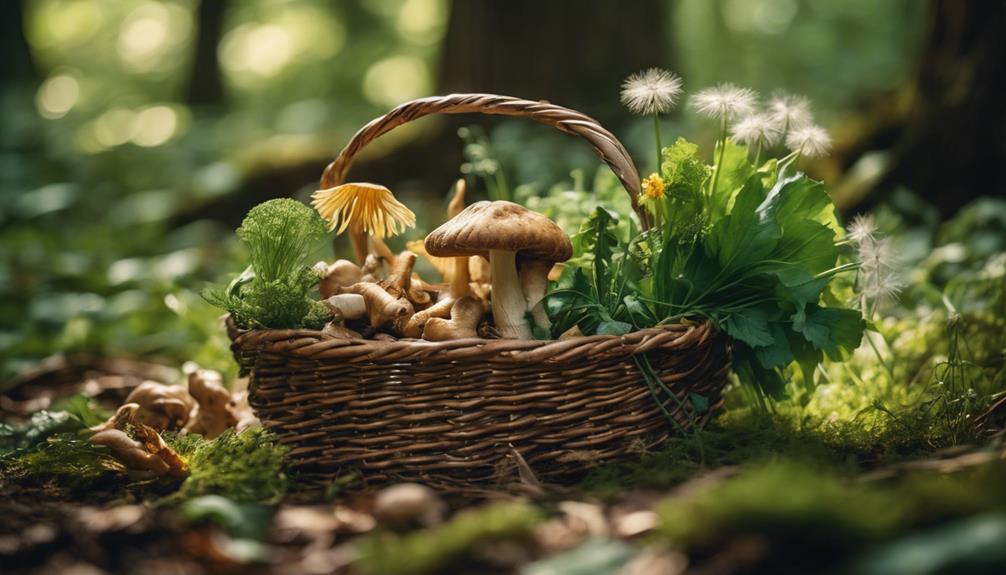
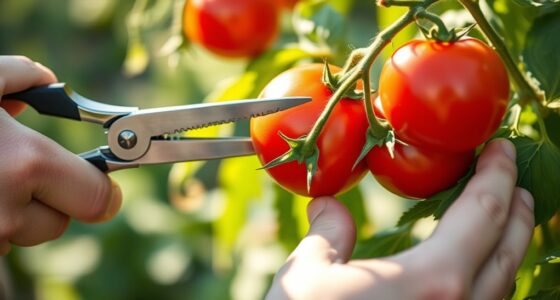
To forage responsibly without leaving a trail, stick to established paths and avoid trampling sensitive areas like moss beds or wetlands. Take only what you need, harvesting mature parts without uprooting plants, and use small tools or your hands for precise collection. Carry out all waste and avoid overharvesting abundant patches. Respect private property and local regulations, ensuring your foraging stays discreet and sustainable. Continue exploring this guide to learn more tips for eco-friendly foraging practices.

Get garden gear delivered free with Prime
- Fast, free delivery on millions of items
- Prime Video, Amazon Music and more included
- Member-only deals all year
Key Takeaways
- Use established trails and minimal off-trail movement to reduce environmental impact during foraging.
- Harvest only mature, ripe, or fully developed parts to support plant health and regeneration.
- Carry out all waste, including peels and stems, to prevent leaving traces behind.
- Obtain permission and follow local regulations to respect private property and protected areas.
- Keep noise and disturbance to a minimum, and avoid damaging plants or wildlife habitats.
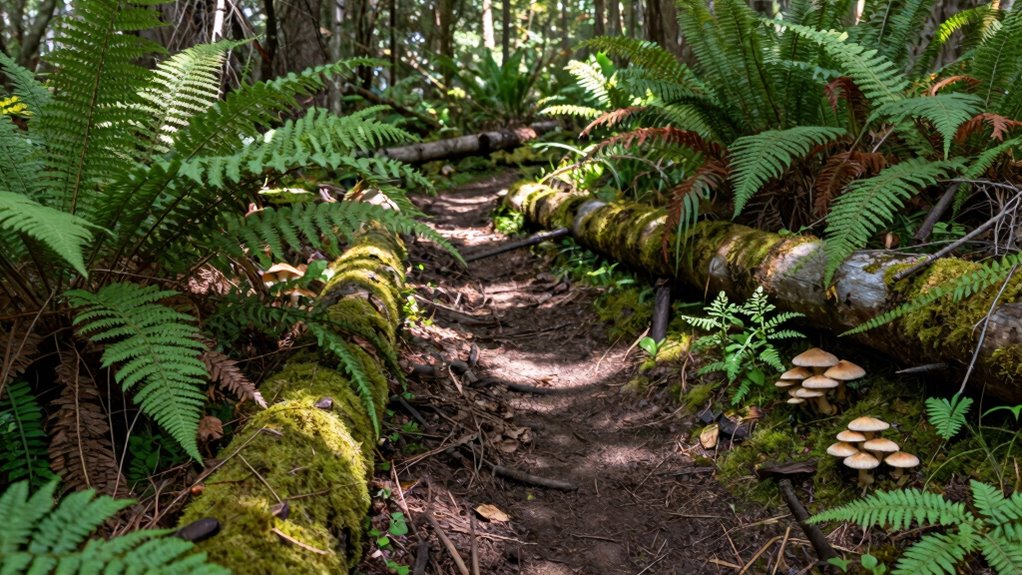
Have you ever wondered how to enjoy foraging responsibly without harming the environment? Practicing leave no trace principles is essential to ensure that your foraging adventures leave minimal impact. It all begins with understanding sustainable harvesting and ethical foraging. When you harvest sustainably, you take only what you need, leaving enough behind for plants to regenerate and local wildlife to thrive. This approach helps maintain healthy ecosystems and keeps the natural balance intact. Ethical foraging involves respecting the land, plants, and other foragers, ensuring that everyone can enjoy these resources for generations to come.
Practicing leave no trace ensures sustainable foraging and preserves natural ecosystems for future generations.
When you’re out in nature, focus on minimizing your footprint. Stick to established paths when possible, so you avoid trampling sensitive vegetation or disturbing wildlife habitats. If you need to venture off-trail, do so carefully, avoiding fragile areas like moss beds, wetlands, or young plant communities. Use your hands or a small, sharp knife to harvest only the mature parts of plants—like ripe berries or fully grown fungi—rather than uprooting or damaging the whole plant. This practice supports sustainable harvesting because it allows the plant to continue growing and reproducing.
Be discreet with your presence to prevent attracting unnecessary attention or disturbing other foragers and animals. Keep noise levels down, and avoid leaving trash or remnants behind. Anything you bring into the field should go back out with you, including biodegradable waste like fruit peels or stems. Use a reusable container to avoid waste, and be mindful not to overharvest. For example, if you find a plentiful patch of wild greens, take only what you’ll use, leaving plenty behind for pollinators and future harvests. Additionally, understanding support breakfast options can help you plan nutritious, sustainable meals after your foraging trip.
Respect private property and obtain any necessary permissions before foraging. If you’re in public lands or protected areas, familiarize yourself with local regulations and guidelines. Remember, ethical foraging isn’t just about what you do; it’s also about fostering a respectful attitude toward nature and other foragers. Share your knowledge of sustainable harvesting practices and lead by example, encouraging others to follow leave no trace principles.
Frequently Asked Questions
How Can I Identify Edible Plants Safely?
To identify edible plants safely, focus on thorough plant identification by comparing features like leaves, stems, and flowers to reliable guides or apps. Stick to known edible wilds and avoid plants with milky sap, bitter tastes, or bad odors. Always double-check with multiple sources, and consider taking a foraging course. When in doubt, don’t harvest or eat—safety comes first to enjoy foraging responsibly.
Are There Legal Restrictions on Foraging in Public Areas?
Like a cautious explorer in uncharted territory, you must respect the rules. Many public areas require foraging permits, and you can’t pick without permission on private property. Ignoring these restrictions can lead to fines or legal trouble. Always check local regulations before foraging, and seek permission when necessary. Being respectful and informed guarantees you enjoy nature’s bounty without risking your access or breaking laws.
What Tools Are Best for Discreet Foraging?
You should use discreet foraging tools like small scissors or a pocket knife that blend with plant camouflage, keeping your activity subtle. Lightweight foraging gear helps you move quietly and avoid drawing attention. Carry a woven basket or reusable bag to collect herbs or mushrooms without rustling sounds or bulky equipment. This approach minimizes disturbance, respects nature, and keeps your foraging activities low-profile, ensuring you leave no trail behind.
How Do I Ensure Sustainable Harvesting Practices?
Imagine your foraging practices as a mighty force of nature, guaranteeing plants thrive forever. You guarantee sustainable harvesting by practicing ethical harvesting—only taking what you need and never overharvesting. Focus on plant regeneration by leaving roots intact and avoiding damage. Respect local regulations and educate yourself about the plants. Your mindful approach keeps ecosystems balanced, allowing future foragers to enjoy the bounty, too. Let nature’s harmony be your guiding principle.
Can Foraging Harm Local Ecosystems?
Foraging can harm local ecosystems if you ignore proper foraging etiquette, such as taking only what you need and avoiding rare or protected species. Overharvesting can disrupt plant populations and ecosystem impact, making it vital to forage responsibly. By respecting the environment, sticking to sustainable practices, and being mindful of plant health, you help preserve ecosystems and guarantee future foraging opportunities.
Conclusion
As you carefully gather your wild treasures, you notice a faint, sweet scent lingering in the breeze—reminding you that your quiet respect for nature leaves no sign of your presence. Just as a butterfly flutters past, unnoticed, your foraging leaves no trail behind, only the subtle reminder of a shared secret with the forest. When you leave no trace, you’re not just harvesting; you’re becoming part of its quiet, fleeting harmony.
Halloween Picks
halloween
As an affiliate, we earn on qualifying purchases.