Even if you follow proper canning procedures, lids can still fail due to warping from excess heat, uneven pressure, or using damaged or thin lids. These issues prevent a tight seal and can let air in, leading to spoilage or leakage. Proper techniques and quality lids can help, but sometimes deformation happens during sealing. If you want to understand how to prevent these problems altogether, keep exploring key causes and solutions.

Get garden gear delivered free with Prime
- Fast, free delivery on millions of items
- Prime Video, Amazon Music and more included
- Member-only deals all year
Key Takeaways
- Even correct sealing techniques can’t prevent warping if lids are damaged or made of thin, low-quality materials.
- Slight deformation or warping of lids can occur from heat or uneven pressure, compromising the seal.
- Improper handling or storage before sealing can weaken lids, leading to failure despite proper sealing procedures.
- Using lids that are already compromised increases the risk of failure, regardless of sealing accuracy.
- Regularly inspecting lids for deformation before sealing helps prevent seal failures caused by hidden damage or warping.
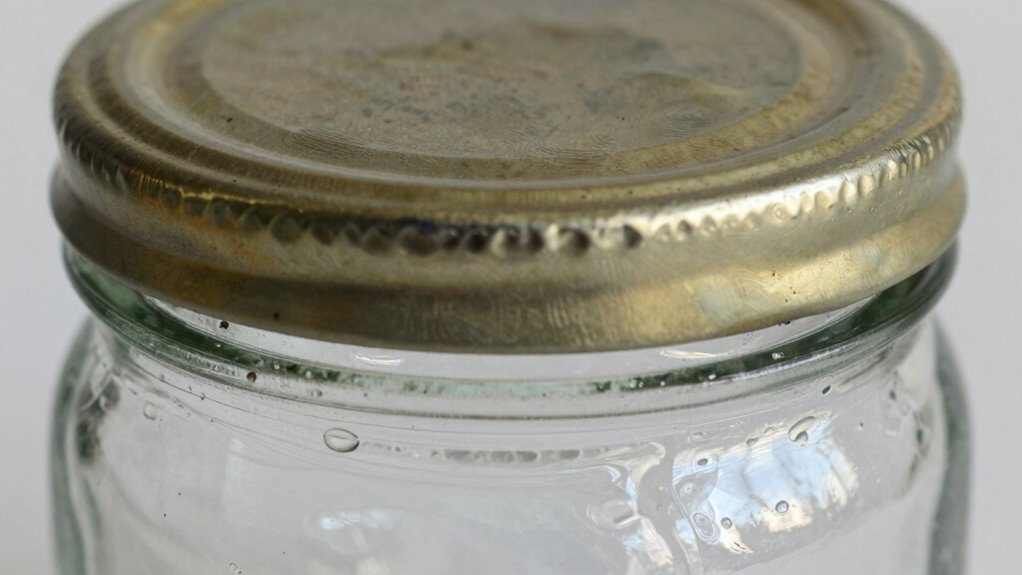
Have you ever opened a jar only to find that it didn’t seal properly? It’s frustrating to invest time and effort into preserving food, only to discover that the contents are not airtight. One common culprit behind failed seals is issues with vacuum seals, which rely on creating a perfect environment inside the jar. When the vacuum isn’t strong enough, it can lead to improper sealing, leaving your food vulnerable to spoilage. Sometimes, even when you follow all the proper steps, the problem still occurs. One reason for this is lid deformation, a subtle but critical issue that can compromise the seal.
Lid deformation happens when the metal lid warps or bends during the sealing process. This deformation prevents the lid from forming a tight, uniform seal against the jar’s rim. As a result, air can seep in, and the vacuum inside the jar is compromised. You might not notice the deformation immediately, but over time, it can lead to mold growth, spoilage, or leakage. The deformation often occurs because of excessive heat, uneven pressure during sealing, or using lids that are already compromised or of poor quality. Even slight warping can prevent the lid from sitting flush, making it impossible to achieve a proper vacuum seal.
When you’re working through the preserving process, it’s important to pay close attention to the lids. Before sealing, inspect each lid carefully for any signs of deformation or damage. Using lids that are slightly deformed can seem harmless at first, but it considerably increases the risk of sealing problems. If you notice a lid doesn’t sit perfectly flat or shows signs of bending, it’s best to discard it and use a new one. Additionally, ensure that your jars and lids are compatible and that you’re applying the correct amount of heat and pressure during the process. An uneven or overly aggressive sealing process can cause lids to deform, especially if they’re made from thinner metal.
To prevent lid deformation and ensure your vacuum seals hold, consider investing in high-quality lids designed for canning. Always use fresh, undamaged lids, and double-check the fit before sealing. If you notice a lid deforming during the process, stop and replace it immediately. Proper technique, combined with quality materials, can make all the difference in achieving a reliable, long-lasting seal. Remember, a good seal isn’t just about the initial vacuum; it’s about maintaining that airtight environment over time. Paying attention to lid integrity and understanding how deformation can affect your seals will save you time, money, and food in the long run. Maintaining proper sealing techniques and using high-quality materials are essential for successful food preservation.
Frequently Asked Questions
Can Different Jar Brands Affect Sealing Success?
Yes, different jar brands can affect sealing success because of brand consistency and lid material differences. Some brands use higher-quality lids or more reliable sealing mechanisms, making it easier to achieve a proper seal. Others might have variations in lid material that affect flexibility or compression. As a result, choosing trusted brands with consistent quality can improve your chances of successful sealing every time.
How Does Altitude Impact Jar Sealing?
Altitude impacts jar sealing because higher elevations cause pressure variation, making it harder for lids to seal properly. You need to do an altitude adjustment by processing jars longer or increasing the boiling water temperature. This compensates for the reduced atmospheric pressure, ensuring a proper seal. Without these adjustments, pressure variation can prevent lids from sealing tightly, leading to potential spoilage or failed seals even when you follow standard canning procedures.
Are There Specific Lids Better for Long-Term Storage?
While no lid guarantees eternal freshness, you’ll find that high-quality, durable materials like BPA-free plastic or metal with a reliable sealing gasket often provide better long-term storage. Look for lids designed for lid compatibility and material durability, ensuring they form a secure seal over time. These choices help maintain your preserved goods’ integrity, giving you peace of mind that your efforts will reward you with lasting freshness and flavor.
Why Do Jars Seal Initially but Then Lose Vacuum?
You might notice jars seal initially but then lose vacuum due to sealing failure. This often happens if the lid isn’t perfectly centered or if there’s debris or moisture on the rim, preventing a tight seal. Temperature changes can also cause vacuum loss, making lids loosen. To prevent this, verify rims are clean, lids are in good condition, and jars are cooled properly after processing.
Can Overfilling Jars Prevent Proper Sealing?
Overfilling jars can sabotage proper sealing, like trying to fit a square peg in a round hole. When you overfill, it disrupts the air pressure balance and prevents the lid from forming a tight seal. The jar’s shape and the contents’ volume leave no room for the vacuum to develop. Keep headspace clear to make certain the lid can seal securely, preventing air from sneaking in and spoiling your preserved goods.
Conclusion
Think of jar sealing like locking a safe—you might do everything right, but sometimes the lock still won’t click. Sealing problems can feel frustrating, but understanding the common culprits helps you troubleshoot like a pro. By paying attention to temperature, lid quality, and proper technique, you’re better equipped to keep your preserves fresh and secure. Remember, even the tightest seal can be coaxed into place with patience, turning a potential leak into a perfectly sealed treasure chest.
Fall yard work Picks
leaf blowers
As an affiliate, we earn on qualifying purchases.