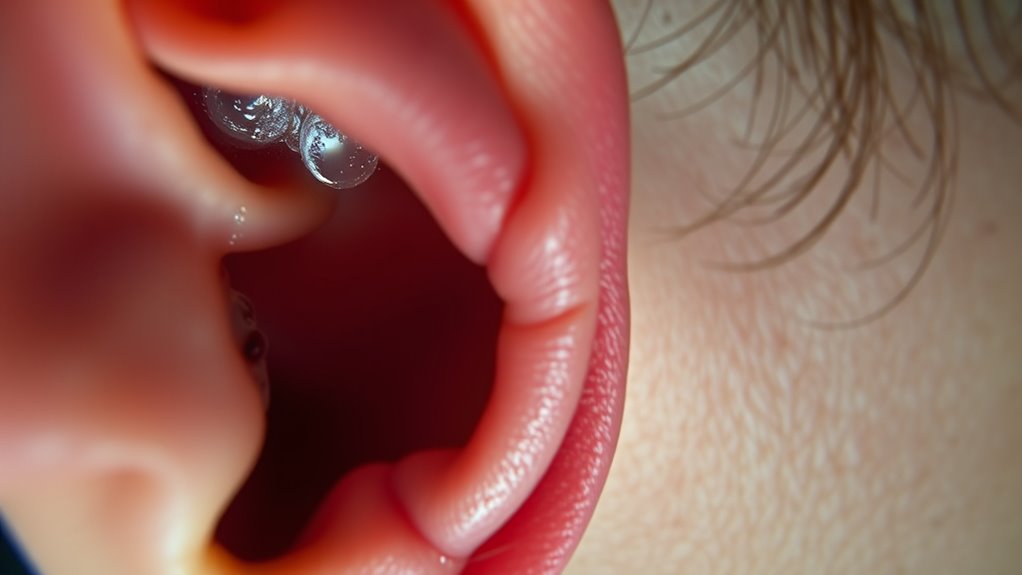

To prevent ear barotrauma and keep your sinuses healthy, you need to master equalization techniques like Valsalva or Frenzel and avoid diving when you’re congested. Staying well-hydrated, using nasal saline rinses, and consulting a healthcare professional for persistent issues help protect your sinuses. Recognizing early signs of pressure problems can prevent serious injuries. If you want to learn how to safely manage these challenges, there’s more to contemplate.

Get garden gear delivered free — and shop member deals
- Fast, free delivery on millions of items
- Access to Prime Big Deal Days deals on October 6–7
- Prime Video, Amazon Music and more included
Key Takeaways
- Proper equalization techniques like Valsalva and Frenzel are essential to prevent ear barotrauma during descent.
- Sinus congestion impairs pressure regulation, increasing the risk of barotrauma and related injuries.
- Maintaining sinus health through hydration, nasal rinses, and avoiding diving when congested reduces injury risk.
- Recognizing signs such as sinus pain or pressure helps divers avoid diving with issues that could cause barotrauma.
- Consulting healthcare professionals before diving, especially with persistent sinus or ear problems, enhances safety and prevention.
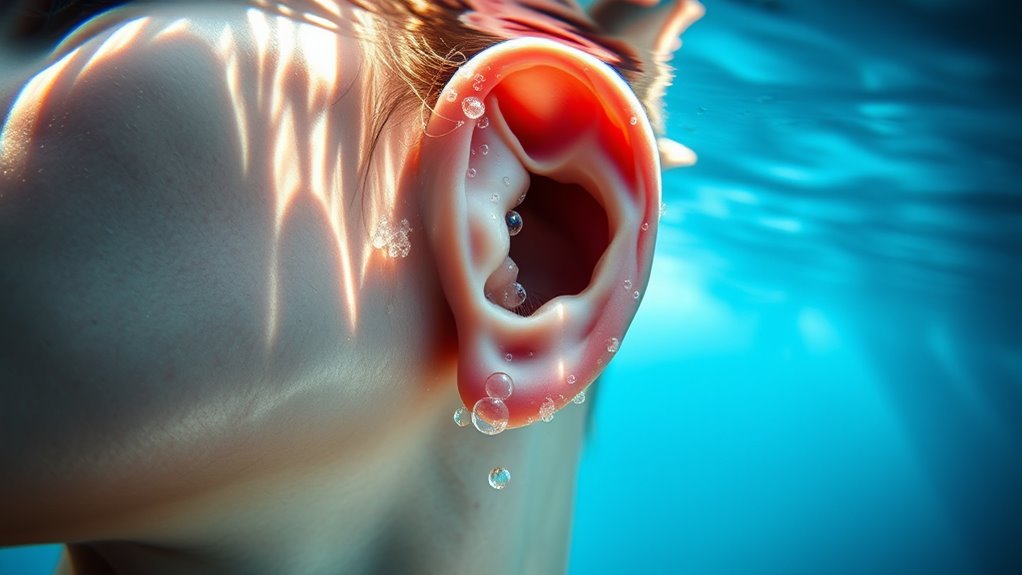
Freedivers face unique challenges with ear barotrauma and sinus health, especially as they dive deeper underwater. When you descend, the pressure around you increases rapidly, making it essential to use effective equalization techniques to prevent discomfort or injury. If you neglect this, your ears can’t equalize properly, leading to pain, dizziness, or even more serious damage like ruptured eardrums. Equalization techniques, such as the Valsalva maneuver or Frenzel method, are critical tools you should master before your dives. These techniques help you balance the pressure in your middle ear with the surrounding water pressure, allowing for a smoother descent. However, if you’re experiencing sinus congestion, equalization becomes more difficult. Sinus congestion, often caused by allergies, colds, or sinus infections, blocks the natural pathways you need for pressure regulation. When your sinuses are congested, your ability to equalize decreases, increasing the risk of barotrauma. It’s essential to recognize signs of congestion before diving—such as stuffiness, pain around the sinuses, or a feeling of pressure—and avoid diving until you’re fully recovered. Pushing through sinus congestion can exacerbate the problem, leading to sinus barotrauma, which manifests as pain, swelling, or even bleeding. To prevent these issues, maintain good sinus health through hydration, nasal saline rinses, or decongestants, but always consult with a healthcare professional before using medication. Proper nasal clearing exercises and avoiding diving when congested are indispensable steps to keep your sinuses healthy. Additionally, some divers find that practicing gentle equalization techniques during training improves their ability to handle pressure changes more comfortably. Remember, your body needs time to adapt, so don’t rush your dives or push beyond your comfort zone. Regularly checking your sinuses and ensuring they’re clear before diving can save you from unnecessary discomfort or injury. Using high-quality equipment, such as nasal sprays or saline rinses, can also support sinus health and aid in easier equalization. If you do experience persistent sinus congestion or ear pain, seek medical advice promptly. Addressing these issues early can prevent more serious problems, such as infections or long-term damage. Ultimately, understanding and practicing proper equalization techniques, combined with maintaining healthy sinuses, will help you enjoy freediving safely and comfortably. Your ears and sinuses are delicate structures that require attention and care, especially during deep dives. By respecting your body’s signals and preparing adequately, you’ll reduce the risk of barotrauma and ensure each dive is an enjoyable experience.
Top picks for "barotrauma sinu health"
As an affiliate, we earn on qualifying purchases.
Frequently Asked Questions
How Does Dehydration Affect Ear and Sinus Health During Freediving?
Dehydration impacts your ear and sinus health by reducing mucus production, making it harder to equalize pressure during freediving. The dehydration effects can cause your sinuses to become dry and inflamed, increasing the risk of barotrauma. Staying well-hydrated guarantees your mucus membranes stay moist and functional, aiding pressure equalization and preventing ear and sinus injuries. Always drink enough water before and after dives to protect your ear and sinus health.
Are There Specific Warm-Up Routines to Prevent Barotrauma?
You should start with specific warm-up routines to prevent barotrauma, like gentle pre-dive exercises that increase blood flow and loosen your sinuses. Incorporate equalization techniques early to prepare your ears and sinuses for pressure changes. As you progress, gradually increase depth, listening closely for any discomfort. This proactive approach can make a significant difference in avoiding injuries and ensuring a safe, enjoyable dive every time.
Can Allergies Increase the Risk of Ear and Sinus Injuries?
Yes, allergies can increase your risk of ear and sinus injuries. Allergy impact often leads to sinus congestion, which blocks normal pressure equalization during dives. When your sinuses are congested, it’s harder to clear pressure, raising the chance of barotrauma. To protect yourself, manage allergies effectively, stay aware of symptoms, and avoid diving when congestion is severe. Proper preparation helps prevent injury and keeps your diving safe.
What Are the Long-Term Effects of Repeated Barotrauma?
Imagine your ears and sinuses as a delicate dam holding back a reservoir. Repeated barotrauma weakens this dam, leading to long-term effects like middle ear damage and sinus scarring. Over time, the dam may develop cracks, causing persistent discomfort, hearing issues, or sinus problems. If you continue diving without proper care, these issues can become chronic, profoundly impacting your ability to enjoy your dives and daily life.
How Do Age and Health Conditions Influence Susceptibility to Ear Injuries?
Your age and health conditions considerably influence your susceptibility to ear injuries. As you age, the natural decline in ear and sinus tissue resilience makes you more prone to barotrauma. Additionally, health conditions like allergies or sinus infections can impair your ear’s ability to equalize pressure effectively. Staying mindful of these factors, maintaining good health, and practicing proper equalization techniques help reduce your risk of injury during dives.
Conclusion
Think ear barotrauma and sinus issues are just minor annoyances? Actually, they can signal deeper problems that affect your diving safety and long-term health. Some believe that frequent equalization might even strengthen your sinus and ear tissues over time, but evidence is limited. Stay cautious, listen to your body, and prioritize proper techniques. By understanding these risks, you can dive safely and enjoy the ocean’s depths without compromising your health.
Halloween Picks
halloween
As an affiliate, we earn on qualifying purchases.