Pelagics like yellowtail, wahoo, and mahi are swift, open-ocean fish that roam far from shore. To catch them, you’ll want to use deep sea trolling with various lures and bait—live bait for yellowtail, speedy lures or cut bait for wahoo, and bright lures for mahi. Pay attention to water temperature, currents, and feeding times, especially dawn and dusk. Keep experimenting with depths and speed, and you’ll get better at finding these elusive fish—stay tuned to learn more.
Key Takeaways
- Pelagic fish like yellowtail, wahoo, and mahi are swift, deep-sea hunters that roam open waters far from shore.
- Deep sea trolling with varied depths and lures mimics prey, attracting these fast-moving pelagic species.
- Bait type and presentation, such as live bait or bright lures, significantly influence fishing success for each species.
- Fish activity peaks during dawn and dusk, with environmental factors like water temperature and currents affecting their location.
- Adapting trolling speed, bait, and depth based on fish behavior and ocean conditions enhances chances of catching pelagics.

Have you ever wondered what makes pelagic fish and creatures so fascinating? These swift, oceanic hunters roam the vast open waters, and understanding their behavior can make your fishing trips more successful. When it comes to targeting species like yellowtail, wahoo, or mahi, mastering techniques such as deep sea trolling and choosing the right bait are essential. Deep sea trolling involves dragging lures or baited hooks behind your boat at various depths, mimicking the movement of prey these fish naturally hunt. This method allows you to cover large areas of the open water, increasing your chances of encountering pelagic species that often stay deep or roam far from shore. The key is to adjust your trolling depth based on the fish you’re targeting, which requires a good understanding of their habits and the ocean conditions.
Bait selection plays a pivotal role in attracting these elusive fish. For yellowtail, live bait such as anchovies or sardines work wonders because they resemble the fish’s natural prey and move convincingly in the water. Wahoo, on the other hand, are aggressive predators that respond well to fast-moving lures and fresh, cut bait like bonito or mullet. Mahi, also called dolphinfish, are enticed by brightly colored trolling lures, often with squid or small fish attached, mimicking small schooling fish. When selecting bait, freshness is paramount; the more lifelike and vibrant your bait appears, the higher your chances of hooking a pelagic. Additionally, varying your baiting techniques—using live bait, cut bait, or artificial lures—keeps your presentation dynamic and appealing to different species. Understanding the behavior of pelagic fish can further refine your approach, enabling you to anticipate their movements and preferences more accurately.
While deep sea trolling is a highly effective way to find pelagic fish, it’s equally important to pay attention to the timing and environmental factors. Fish tend to feed during specific times of the day, often dawn and dusk, and they prefer certain water temperatures and currents. Combining this knowledge with strategic bait selection and trolling at different depths maximizes your chances of success. Remember, patience and observation matter just as much as technique. If you notice a lot of baitfish or birds circling, it’s a good sign that pelagic predators are nearby. Adjust your trolling speed, try different lures or bait, and experiment with depths until you find what works best. With practice, understanding the nuances of deep sea trolling and bait selection will help you consistently attract yellowtail, wahoo, and mahi, making every trip out on the water an exciting adventure.
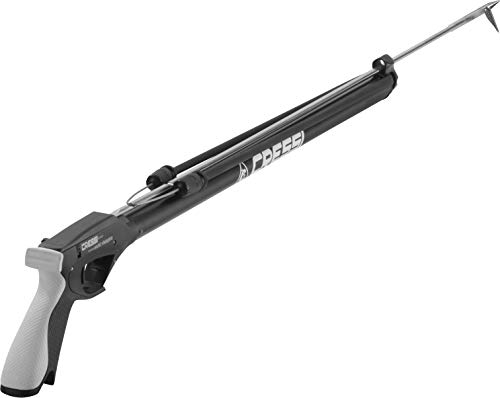
Cressi Apache, Black, 90 cm | 35.4 in
- Ideal for small to medium fish: Compact speargun for beginners
- Heavy-duty anodized aluminum: Durable sealed barrel
- Closed muzzle design: Enhanced accuracy and easy loading
As an affiliate, we earn on qualifying purchases.
Frequently Asked Questions
What Are the Best Seasons for Pelagic Fish in Different Regions?
You should target pelagic fish during their peak seasonal migration periods, which vary by region. In the Gulf of Mexico, late spring through summer is prime, while in the Caribbean, winter to early spring works best. Always check regional fishing regulations, as they can affect your timing and limits. By aligning your efforts with their migration patterns and regulations, you’ll have the best chance at a successful catch.
How Do Water Temperatures Affect Pelagic Fish Migration Patterns?
Imagine the ocean as a vast, shifting canvas where water temperatures act as brushstrokes guiding pelagic fish. As ocean thermoclines shift with seasonal migrations, fish follow the warmth or seek cooler depths, shaping their movements. Warmer waters often signal feeding grounds, prompting migration, while cooler layers may lead them elsewhere. You’ll find these patterns influence where and when you can fish, making water temperature a key factor in their journey.
What Gear Is Most Effective for Catching Yellowtail, Wahoo, and Mahi?
To catch yellowtail, wahoo, and mahi, you should select versatile tackle like medium to heavy rods and braided lines for strength. Use lure techniques such as trolling with shiny spoons, skirts, or live bait to attract these fish. Vary your speed and depths to find their preferred zone, and always keep your gear well-maintained. Effective tackle and dynamic lure techniques markedly increase your chances of a successful catch.
Are There Specific Times of Day When Pelagics Are More Active?
Ever wonder when pelagics are most active? You’ll find they’re often most aggressive during dawn feeding, when they come to surface or chase bait. Midday peaks can also bring bites, especially as fish stay active under the sun. Are you fishing during these prime times? To maximize your chances, plan your outing around these periods, and stay alert for signs of feeding activity that signal a good bite.
What Are Sustainable Fishing Practices for These Pelagic Species?
To practice sustainable fishing for pelagic species, focus on catch and release when possible, especially for undersized or protected fish, to help maintain healthy populations. Reduce bycatch by using selective gear and techniques, like circle hooks and proper handling. Follow local regulations and seasonal closures to avoid overfishing, and aim for responsible harvests that support the ecosystem’s balance and ensure future generations can enjoy these species.

SEAC HIT, Speargun with Circular Elastic Head, Made in Italy
- High-quality anticorodal aluminium barrel: SEAC quality construction
- Ergonomic technopolymer handle: Maximum grip and durability
- Closed end for circular rubber band: Standard nosepiece with 4mm bushings
As an affiliate, we earn on qualifying purchases.
Conclusion
Now that you know the secrets of yellowtail, wahoo, and mahi, you’re practically a pelagic fishing legend in the making! With these skills, you’ll reel in fish so massive they seem like they could tip over the boat—it’s almost too good to believe! Get out there, cast your line, and let the ocean show you its wild, unbelievable bounty. Your next epic catch is just a hook away—go make history on the water!

AB Biller Special Series Wood Mahogany Speargun for Spearfishing (24")
- Reliable Stainless Steel Trigger: Smooth and dependable trigger mechanism
- High-Grade Wooden Barrel: Grooved mahogany, teak, or padauk for accuracy
- Enhanced Underwater Maneuverability: Neutral buoyancy for easy handling
As an affiliate, we earn on qualifying purchases.

Mares Bandit Sling Speargun - Durable Easy to Use Spear Gun for Spearfishing - Ergonomic Handle, 7mm Shaft & 16mm Circular Elastic Band - 45cm
- Ideal for Beginners: Simple design for easy use and mastery
- Durable 7mm Sharkfin Shaft: Strong, precise, and reliable under water
- High-Performance Circular Sling: Powerful propulsion with quick reloads
As an affiliate, we earn on qualifying purchases.