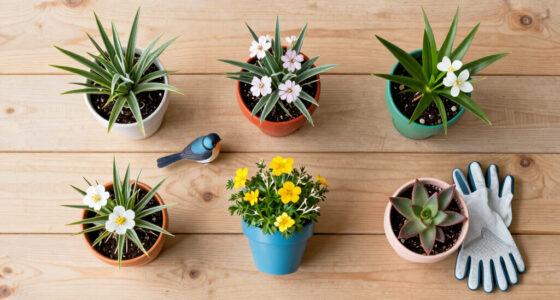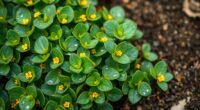
Chickweed is a low-growing plant with sprawling stems, tiny white star-shaped flowers, and oval, tender leaves with a mild, grassy flavor. You can find it in gardens, meadows, and neglected patches, especially during the growing season. It’s easy to identify and harvest young leaves for salads, teas, or herbal remedies that help soothe skin irritations or support digestion. If you keep exploring, you’ll discover even more practical ways to use this versatile plant.

Get garden gear delivered free with Prime
- Fast, free delivery on millions of items
- Prime Video, Amazon Music and more included
- Member-only deals all year
Key Takeaways
- Chickweed is a low-growing plant with sprawling stems, small oval leaves, and tiny white, star-shaped flowers.
- It is easily identified by its ground cover habit in gardens, meadows, and neglected patches.
- The plant is used in salads, smoothies, and as a garnish, providing a mild, grassy flavor and rich nutrients.
- Traditionally, chickweed is applied topically for skin irritations and used internally in teas to aid digestion and soothe coughs.
- It is a versatile wild edible offering nutritional benefits like vitamins A, C, D, and minerals such as iron and calcium.
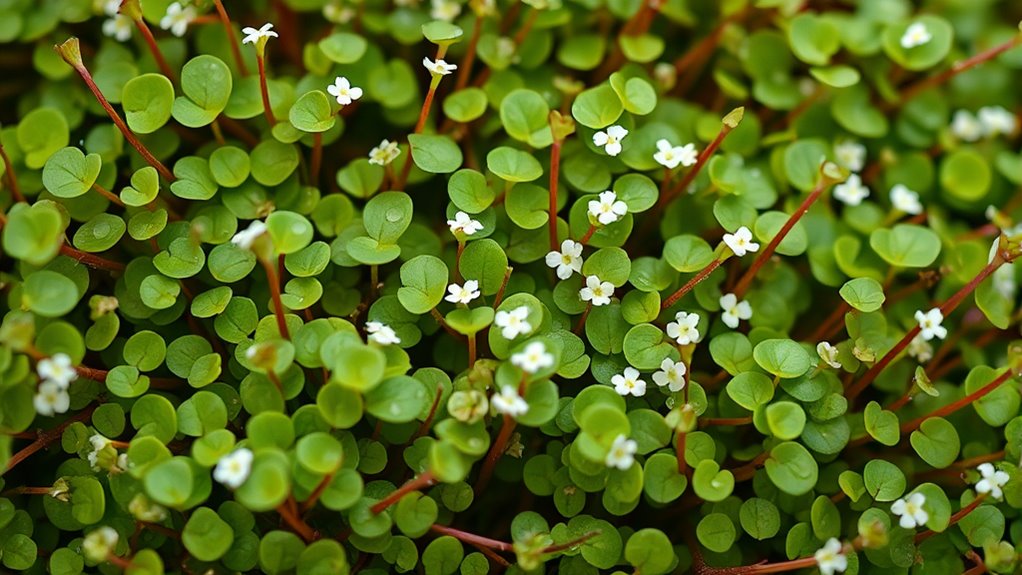
Chickweed is a common, low-growing plant easily recognized by its small, oval leaves and delicate white flowers. As you get familiar with this plant, you’ll discover it’s more than just a ground cover; it’s a versatile wild edible and herbal remedy that has been used for centuries. When foraging, keep an eye out for its sprawling stems and the tiny, star-shaped flowers that bloom throughout the growing season. You can easily identify chickweed in gardens, meadows, or even neglected patches, making it accessible for foragers interested in natural, nutrient-rich foods. Its mild flavor and tender leaves make it a popular choice for salads, smoothies, or as a garnish, providing a fresh, slightly grassy taste that complements many dishes.
Because chickweed is a wild edible, it’s a fantastic resource for foraging off the beaten path. You can harvest its young leaves and stems, which are rich in vitamins A, C, and D, as well as minerals like iron and calcium. Consuming chickweed raw preserves its nutritional content, so adding it to salads or blending it into drinks is ideal. For those interested in self-sufficiency, harvesting chickweed can be a simple way to supplement your diet with nutrient-dense greens, especially during the cooler months when other greens may be scarce. Its widespread presence and ease of identification make it an excellent addition to your wild foraging repertoire.
Beyond its culinary uses, chickweed has a long-standing reputation as an herbal remedy. Many herbalists turn to chickweed to soothe skin irritations, cuts, and insect bites. Its anti-inflammatory and soothing properties make it beneficial for topical applications—simply crush fresh leaves and apply them directly to affected areas or create a poultice. Internal use of chickweed, in teas or infusions, is believed to support digestion, relieve coughs, and reduce inflammation. Its gentle, cooling nature makes it suitable for treating conditions like sore throats and skin rashes, offering a natural alternative to conventional remedies. When using chickweed medicinally, ensure proper identification and harvest from clean, pesticide-free areas.
Top picks for "chickwe identification uses"
As an affiliate, we earn on qualifying purchases.
Frequently Asked Questions
Is Chickweed Safe for Pets to Consume?
Chickweed is generally safe for pets to consume in small amounts, but you should always consider pet safety and dietary considerations. Some pets might have sensitivities or allergies, so monitor them closely. Before adding chickweed to your pet’s diet, consult your veterinarian to ensure it’s appropriate. While it offers nutritional benefits, overfeeding can cause digestive issues, so moderation is key. Always prioritize your pet’s health and safety.
Can Chickweed Be Used to Treat Specific Medical Conditions?
You can use chickweed to treat certain medical conditions, thanks to its medicinal benefits. Traditionally, people have used chickweed in remedies for skin irritations, inflammation, and minor wounds. Its anti-inflammatory and soothing properties make it a helpful addition to natural treatments. However, always consult a healthcare professional before using chickweed medicinally, especially if you’re pregnant, nursing, or on medication, to confirm it’s safe and appropriate for your specific condition.
How Does Chickweed Compare to Similar Wild Plants?
You’re on the right track by comparing chickweed to similar wild plants; it’s essential for plant identification and foraging safety. Chickweed has smoother, oval-shaped leaves and tiny white flowers, unlike its look-alikes with jagged edges or different flower structures. While some plants may look alike, chickweed’s mild taste and soft texture set it apart. Always double-check your plant ID before foraging to avoid potential pitfalls and stay safe.
Are There Any Known Allergic Reactions to Chickweed?
You might experience allergic responses or plant sensitivities when using chickweed, especially if you’re prone to allergies. Some people report skin irritation or respiratory issues after contact or ingestion. To stay safe, try a small patch test first, and consult with a healthcare professional if you have known plant sensitivities. While chickweed is generally safe, everyone’s reactions differ, so monitoring your response is essential.
What Are the Best Harvesting Practices for Medicinal Use?
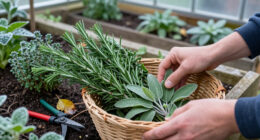
To harvest chickweed for medicinal use, follow these tips: pick young, tender leaves and stems early in the day when moisture is highest. Use scissors or pruning shears to avoid damaging the plant, and harvest sustainably by only taking a third of the plant in each session. Avoid overharvesting from the same patch, and make sure you’re collecting from pesticide-free areas to keep your medicinal supply safe and sustainable.
Conclusion
As you walk through fields of chickweed, remember it’s more than just a humble plant. Like a quiet healer, it whispers of nature’s kindness, offering nourishment and relief. Its delicate leaves symbolize resilience, thriving in the tiniest cracks. Embrace chickweed’s simple beauty, letting it remind you that sometimes, the smallest things hold the greatest power. In its presence, you see nature’s gentle strength—steady, patient, always ready to nurture.
Fall yard work Picks
leaf blowers
As an affiliate, we earn on qualifying purchases.