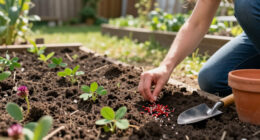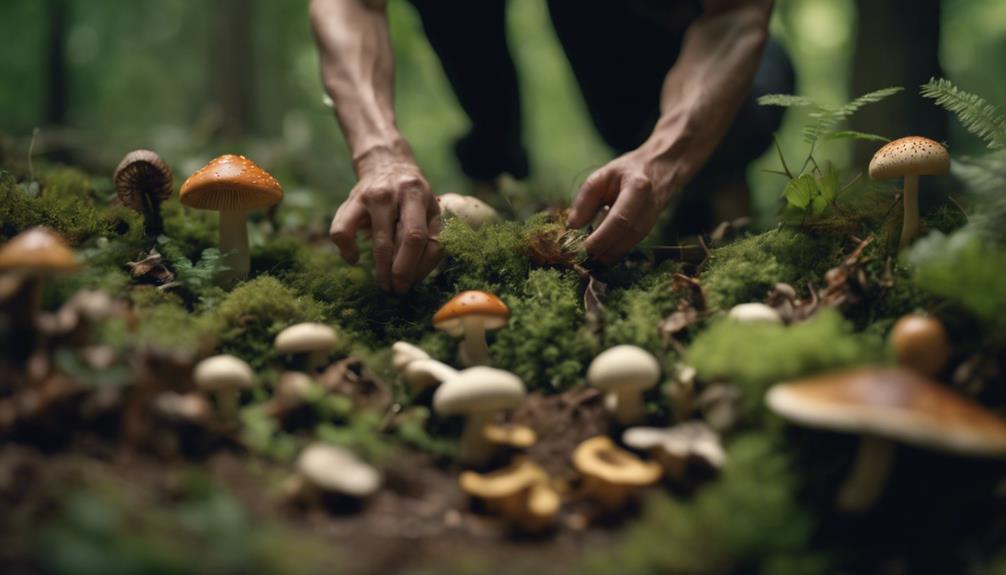
Foraging remains a popular way to connect with nature and access free, wild foods. The best guides help you identify safe, edible plants and mushrooms, but choosing the right one depends on your experience level and goals. Eat the Weeds stands out as the top overall pick for its comprehensive coverage, while Wild Mushrooms is ideal for mushroom enthusiasts. The main tradeoffs involve depth versus accessibility, with some guides offering detailed identification tips that may overwhelm beginners. Keep reading to see how these options compare and find the best fit for your foraging journey.

Get garden gear delivered free with Prime
- Fast, free delivery on millions of items
- Prime Video, Amazon Music and more included
- Member-only deals all year
Complete the kit


Key Takeaways
- The top guides balance detailed identification with practical harvesting tips, making them suitable for both beginners and experienced foragers.
- Mushroom-focused books tend to be more specialized, often requiring prior knowledge or caution, which impacts their accessibility for newcomers.
- Comprehensive guides like ‘Eat the Weeds’ include a wide variety of edible plants, but may lack depth in specific categories like mushrooms or fungi.
- Tradeoffs often come down to scope versus simplicity—more detailed guides provide richer information but can be more challenging to use in the field.
- The best choices often include visual aids such as photographs or illustrations to reduce identification errors and increase safety.
| Eat the Weeds: A Forager’s Guide to Identifying and Harvesting 274 Wild Foods |  | Best Comprehensive Reference for Wild Food Identification | Number of Wild Foods Covered: 274 | Intended Audience: Outdoor enthusiasts and experienced foragers | Content Type: Comprehensive plant guide | VIEW ON AMAZON | See Our Full Breakdown |
| The Art of Foraging and Wild Food: A Practical Guide to Identifying, Harvesting, and Preparing Real Food from Field to Fire |  | Best Practical Guide for Foraging and Cooking | Content Focus: Identification, harvesting, preparation | Audience: Beginners to experienced foragers | Format: Printed book | VIEW ON AMAZON | See Our Full Breakdown |
| Midwest Foraging: 115 Wild and Flavorful Edibles from Burdock to Wild Peach |  | Best Regional Guide for Midwest Wild Edibles | Number of Edibles: 115 | Region Focus: Midwest | Content Type: Regional plant guide | VIEW ON AMAZON | See Our Full Breakdown |
| Wild Mushrooms: A Cookbook and Foraging Guide |  | Best for Mushroom Enthusiasts Seeking Recipes | Content Type: Cookbook and foraging guide | Focus: Wild mushrooms | Format: Printed book | VIEW ON AMAZON | See Our Full Breakdown |
| The Forager’s Harvest: A Guide to Identifying, Harvesting, and Preparing Edible Wild Plants |  | Best Practical, All-in-One Wild Plant Guide | Content Focus: Identification, harvesting, cooking | Audience: Wild food enthusiasts and casual foragers | Format: Guidebook | VIEW ON AMAZON | See Our Full Breakdown |
| Sam Thayer’s Field Guide to Edible Wild Plants of Eastern and Central North America |  | Best for Regional Specificity and Practical Reference | Author: Sam Thayer | Format: Field guide | Geographic Coverage: Eastern and Central North America | VIEW ON AMAZON | See Our Full Breakdown |
| Happy Snacking, Don’t Die!: Foraging and Vegan Recipes with Black Forager |  | Best for Culinary Creativity and Vegan Foraging | ASIN: 166800254X | Format: Cookbook | Dietary Focus: Vegan | VIEW ON AMAZON | See Our Full Breakdown |
| foraging | Format | Language |
|---|---|---|
| Eat the Weeds: A Forager’s Gui | Printed book | English |
| The Art of Foraging and Wild F | Printed book | English |
| Midwest Foraging: 115 Wild and | Printed book | English |
| Wild Mushrooms: A Cookbook and | Printed book | English |
| The Forager’s Harvest: A Guide | Guidebook | English |
| Sam Thayer’s Field Guide to Ed | Field guide | — |
| Happy Snacking | Cookbook | — |
More Details on Our Top Picks
Eat the Weeds: A Forager’s Guide to Identifying and Harvesting 274 Wild Foods
This book stands out for its extensive catalog of 274 wild foods, making it an ideal resource for those seeking a broad, detailed reference. Compared with The Forager’s Harvest, which focuses more on practical harvesting and preparation, Eat the Weeds offers a deeper dive into plant identification, helping foragers confidently distinguish edible plants from look-alikes. However, its lack of specific features like illustrations or step-by-step guidance limits hands-on usability for beginners. This guide suits experienced foragers or outdoor enthusiasts who want an authoritative compendium but might be less helpful for those needing quick visual cues or structured lessons.
Pros:- Extensive coverage with 274 wild foods, offering in-depth knowledge
- Useful for both identification and harvesting planning
- Ideal for those wanting a broad botanical reference
Cons:- No illustrations or photos to aid visual identification
- Lacks practical step-by-step harvesting instructions
- No customer reviews or ratings available for quick assessment
Best for: Experienced foragers and outdoor enthusiasts seeking a comprehensive plant reference
Not ideal for: Beginners or casual foragers who need visual aids or more detailed harvesting techniques
- Number of Wild Foods Covered:274
- Intended Audience:Outdoor enthusiasts and experienced foragers
- Content Type:Comprehensive plant guide
- Format:Printed book
- Language:English
- Publisher:Unknown
Our verdict“This book is best for seasoned foragers needing a thorough plant guide and less suited for beginners requiring visual aids.”
The Art of Foraging and Wild Food: A Practical Guide to Identifying, Harvesting, and Preparing Real Food from Field to Fire
This guide makes a strong case for those who want actionable advice on both identifying and preparing wild foods, blending field techniques with culinary tips. Compared with Wild Mushrooms, which focuses narrowly on fungi, The Art of Foraging covers a wide range of edible plants and offers practical tips suitable for beginners and seasoned foragers alike. It emphasizes safety and proper harvesting, making it a dependable choice for those who want confidence in the field. However, as it is mainly text-based without included tools or visual aids, it might fall short for visual learners or those needing quick reference. This pick makes the most sense for foragers eager to learn the entire process from field to fire, but less so for those who prefer multimedia resources.
Pros:- Practical guidance on both identifying and preparing wild foods
- Suitable for beginners and experienced foragers
- Includes safety tips for responsible foraging
Cons:- No included tools or visual aids like photos or illustrations
- Content limited to textual guidance, lacking multimedia elements
- No specific product features or editions detailed
Best for: Beginners and intermediate foragers wanting a comprehensive, practical guide
Not ideal for: Experienced foragers seeking detailed botanical illustrations or advanced techniques
- Content Focus:Identification, harvesting, preparation
- Audience:Beginners to experienced foragers
- Format:Printed book
- Language:English
- Safety Tips Included:Yes
Our verdict“Ideal for those wanting a practical, all-in-one guide to foraging and cooking, but less suited for visual learners or those seeking multimedia content.”
Midwest Foraging: 115 Wild and Flavorful Edibles from Burdock to Wild Peach
This book specializes in Midwest flora, making it an excellent choice for regional foragers aiming to identify local edible plants. Compared with Eat the Weeds, which offers a broad national scope, Midwest Foraging provides targeted, region-specific insights that improve accuracy and confidence in local plant identification. While it excels in regional focus, its narrower scope may limit usefulness for foragers in other areas. It’s especially suitable for those who want detailed descriptions and foraging tips tailored to the Midwest environment, though it might lack the broader plant diversity some advanced foragers seek.
Pros:- Focuses exclusively on Midwest edible plants
- Provides detailed descriptions and foraging tips
- Regional specificity enhances identification confidence
Cons:- Limited geographic scope reduces versatility elsewhere
- No price information available to evaluate value
- No customer ratings hinder quick assessment
Best for: Regional foragers or residents of the Midwest interested in local wild foods
Not ideal for: Foragers outside the Midwest or those seeking a broad, national guide
- Number of Edibles:115
- Region Focus:Midwest
- Content Type:Regional plant guide
- Format:Printed book
- Language:English
- Author Focus:Midwestern flora
Our verdict“This guide is perfect for Midwest residents or regional foragers, but less useful for those seeking a national or broader perspective.”
Wild Mushrooms: A Cookbook and Foraging Guide
This guide combines mushroom foraging with culinary inspiration, making it ideal for those who want to identify, collect, and cook wild mushrooms. Compared to plant-focused guides like The Forager’s Harvest, it offers a niche focus with recipes that turn foraged mushrooms into delicious dishes. Its dual approach makes it especially appealing to foodies and hobbyist foragers interested in fungi, but it lacks detailed identification techniques or extensive botanical information, which could challenge novices. Its focus on recipes means it’s best suited for those already comfortable with basic mushroom identification or willing to learn more visually.
Pros:- Combines foraging guidance with appealing recipes
- Great for mushroom enthusiasts who want to cook wild fungi
- Provides practical tips for safe mushroom harvesting
Cons:- Limited content on identification beyond basic tips
- No detailed botanical or visual aids included
- Focuses mainly on cooking, less on in-depth foraging techniques
Best for: Home cooks and mushroom hobbyists eager to cook with wild fungi
Not ideal for: Beginners who need detailed identification tools or comprehensive field techniques
- Content Type:Cookbook and foraging guide
- Focus:Wild mushrooms
- Format:Printed book
- Language:English
- Includes Recipes:Yes
- Safety Tips:Yes
Our verdict“This guide suits mushroom lovers eager to turn their foraged finds into meals but may fall short for beginners seeking detailed identification instructions.”
The Forager’s Harvest: A Guide to Identifying, Harvesting, and Preparing Edible Wild Plants
This guide emphasizes practical skills in identifying, harvesting, and preparing wild plants, making it a well-rounded choice for dedicated foragers. Compared with Eat the Weeds, which leans toward extensive botanical listings, The Forager’s Harvest offers straightforward guidance that appeals to those focusing on safe collection and culinary use. Its focus on practical applications makes it ideal for hobbyists and foodies who want accessible instructions without overwhelming botanical detail. However, the lack of detailed product descriptions or page counts limits quick assessment of its depth. It’s best for those seeking a functional, easy-to-follow resource rather than an exhaustive botanical reference.
Pros:- Focuses on identification, harvesting, and preparation
- Practical and accessible for casual foragers
- Helpful for those interested in wild-food culinary uses
Cons:- Limited detailed description or technical data available
- No edition or page-count information provided
- Lacks visual aids or illustrations
Best for: Wild food enthusiasts looking for a practical, user-friendly guide to foraging and cooking
Not ideal for: Advanced botanists or those seeking detailed scientific descriptions
- Content Focus:Identification, harvesting, cooking
- Audience:Wild food enthusiasts and casual foragers
- Format:Guidebook
- Language:English
- Purpose:Practical foraging and culinary use
Our verdict“This guide is ideal for hobbyists and home cooks seeking practical foraging and preparation instructions without complex botanical details.”
Sam Thayer’s Field Guide to Edible Wild Plants of Eastern and Central North America
This field guide excels in providing detailed, region-specific information on edible wild plants across eastern and central North America, making it a go-to resource for serious foragers focused on these areas. Unlike broader guides such as Eat the Weeds, which cover a wider range of foods with less regional depth, Thayer’s book offers precise identification tips and practical foraging advice tailored to familiar ecosystems. Its focus on edible plants enhances safety and confidence when harvesting, but it is limited geographically, so those in other regions might find it less useful. The absence of detailed publication info and editions can sometimes leave questions about the latest updates. Ideal for foragers in eastern and central North America seeking a trusted, comprehensive reference.
Pros:- Highly focused on edible wild plants specific to eastern and central North America
- Provides detailed identification tips for safe foraging
- Broad geographic coverage within its region, offering variety
Cons:- Limited to eastern and central North American species, reducing utility elsewhere
- Lack of information on editions or updates may affect currency
Best for: Foragers living in or frequently exploring eastern and central North America who need a reliable field guide for plant identification.
Not ideal for: Beginners outside these regions or those seeking a more general, less regionally focused overview of wild edibles.
- Author:Sam Thayer
- Format:Field guide
- Geographic Coverage:Eastern and Central North America
- ASIN:0976626640
Our verdict“This guide is essential for regional foragers who prioritize accurate identification and practical tips within eastern and central North America.”
Happy Snacking, Don’t Die!: Foraging and Vegan Recipes with Black Forager
This cookbook stands out by blending practical foraging tips with innovative vegan recipes, offering a fresh approach for those who want to turn wild harvests into delicious plant-based dishes. Compared to Wild Mushrooms, which emphasizes identification and preparation of fungi, this book emphasizes culinary creativity and vegan cooking, making it more appealing for plant-based enthusiasts. While it offers inspiring recipes and foraging ideas, the lack of detailed recipe counts or publication info could leave some readers wanting more structure. Its focus on vegan cuisine makes it less suitable for foragers interested in omnivorous or non-vegan dishes, especially in areas where foraging opportunities are limited. Perfect for vegans or plant-based cooks eager to incorporate wild ingredients into their culinary repertoire.
Pros:- Combines practical foraging guidance with vegan recipes
- Encourages culinary experimentation with wild ingredients
- Focuses on plant-based, safe, and tasty dishes
Cons:- Limited details on recipe quantity and publication specifics
- Less useful in areas with fewer foraging options or for non-vegan diets
Best for: Vegan foragers and cooks looking for creative, plant-based recipes to make the most of their wild harvests.
Not ideal for: Foragers seeking extensive identification guides or non-vegan recipe options, especially in regions with fewer foraging opportunities.
- ASIN:166800254X
- Format:Cookbook
- Dietary Focus:Vegan
- Topic:Foraging
Our verdict“This book is a great choice for vegan foragers eager to explore creative, plant-based uses for their wild harvests.”

How We Picked
The guides in this roundup were selected based on their breadth of information, clarity of illustrations, user-friendliness, and reputation in the foraging community. We prioritized resources that balance detailed identification with safety tips, especially for beginners. Additional factors included the scope of edible plants covered, the practicality of harvesting advice, and overall value for different skill levels. The ranking reflects a combination of versatility, ease of use, and depth, aiming to help readers find a guide that matches their experience and goals in foraging.| foraging | Format |
|---|---|
| Eat the Weeds: A Forager’s Gui | Printed book |
| The Art of Foraging and Wild F | Printed book |
| Midwest Foraging: 115 Wild and | Printed book |
| Wild Mushrooms: A Cookbook and | Printed book |
| The Forager’s Harvest: A Guide | Guidebook |
| Sam Thayer’s Field Guide to Ed | Field guide |
| Happy Snacking | Cookbook |
Factors to Consider When Choosing Foraging
Choosing the right foraging guide involves understanding your experience level, safety considerations, and specific interests. Consider whether you want a broad overview of wild foods or a focus on mushrooms, herbs, or regional plants. The clarity of images and ease of use can be decisive factors, especially in the field. Budget also plays a role—more comprehensive books often cost more but provide richer detail. Lastly, think about the guide’s emphasis on sustainability and ethical harvesting to ensure your foraging practices are responsible.Experience Level and Scope
Beginners should look for guides that simplify identification and focus on common edible plants, while advanced foragers might prefer detailed, region-specific books. The scope of the guide—whether broad or specialized—affects how much time you’ll spend learning and how safe your foraging will be. A comprehensive guide can be invaluable, but it might also be overwhelming if you’re just starting out. Balancing depth and accessibility is key to making a good choice based on your skill level.
Visual Aids and Identification Aids
Clear photographs and detailed illustrations significantly reduce the risk of misidentification, which is critical in foraging to avoid toxic lookalikes. Guides that include side-by-side comparisons and habitat photos help you distinguish similar species. Visual aids also speed up the process in the field, making your foraging more efficient and safer. Without reliable images, even experienced foragers might mistake a poisonous mushroom or plant.
Regional Focus and Plant Selection
Some guides are broad and cover edible plants nationwide, while others focus on specific regions like the Midwest or Eastern North America. Regional guides tend to provide more accurate and detailed information tailored to local flora, but may be less useful if you travel or move. Consider your primary foraging area and choose a guide that emphasizes the plants you’re most likely to encounter. Remember, a regional focus can improve safety and confidence in identification.
Safety and Ethical Harvesting
Safety tips and ethical harvesting advice are vital features of a good foraging guide. Look for resources that emphasize sustainable practices, such as leaving enough behind for wildlife and future growth. Guides that warn about toxic lookalikes and proper preparation methods help prevent health risks. Responsible foraging not only protects the environment but also ensures your practices remain sustainable over time.
Price and Value
While some guides are affordably priced, others come with a higher cost for more detailed content. Consider how much value each guide offers relative to its price—do you get comprehensive information, regional specificity, and quality visuals? Investing in a well-reviewed, thorough guide can pay off in safer, more successful foraging, but beware of overly expensive books that don’t deliver enough practical value for your skill level.
Frequently Asked Questions
Is it safe to forage without prior experience?
Foraging without experience can be risky, especially when it comes to mushrooms or plants with toxic lookalikes. Starting with a beginner-friendly guide that emphasizes safety and common edible species is recommended. Always cross-reference multiple sources and, if possible, seek local expert advice or join foraging groups. Never consume anything unless you are 100% certain of its identification and edibility.
How do I avoid mistaking poisonous plants for edible ones?
The key is to use guides that feature high-quality photographs and detailed descriptions. Pay close attention to key identification features such as leaf shape, habitat, and seasonality. It’s also wise to learn about common toxins and lookalikes in your region. When in doubt, consult multiple sources or consult local foraging communities to verify your identifications before harvesting.
What equipment do I need for safe foraging?
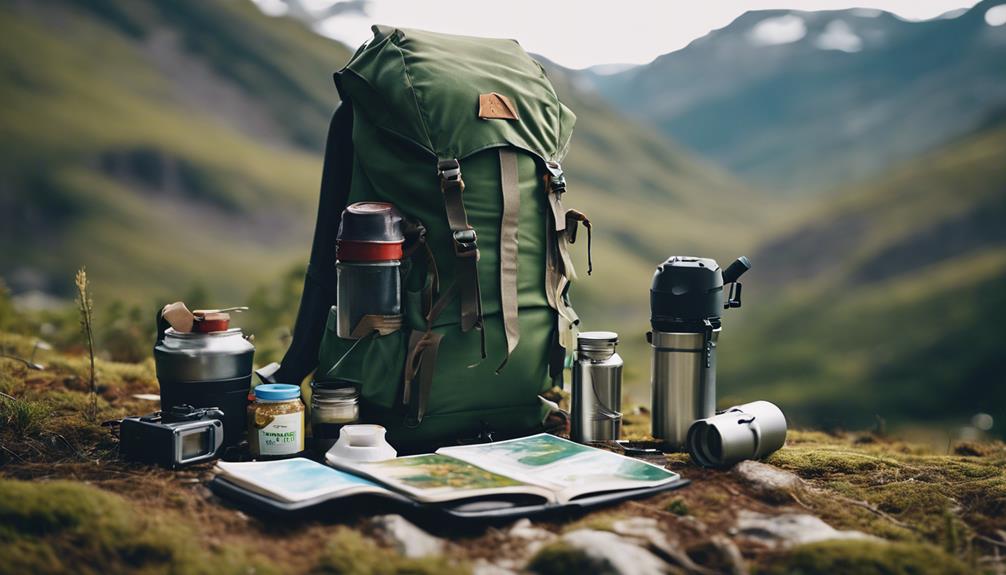
Basic foraging gear includes a sharp knife, a basket or mesh bag for collecting, and a field guide. A hand lens or magnifying glass can help with detailed identification. Wearing appropriate clothing and gloves adds safety, especially when handling plants or mushrooms. Remember, patience and careful observation are as important as the right tools for successful foraging.
Can I forage in urban areas or only in wilderness?
Foraging can be done in various environments, including urban parks and roadside areas, but safety and legality are important considerations. Always check local regulations and avoid harvesting near polluted areas or pesticides. Urban foraging often requires more careful identification due to the presence of cultivated or invasive species, making a good guide even more essential. Focus on non-toxic, common plants suited for urban environments.
When should I harvest wild foods for best flavor and safety?
The timing of harvest affects both flavor and safety. Many wild plants are best collected when fully ripe, often in late spring or summer, depending on the species. Mushrooms, for instance, often appear after specific weather conditions, like rain. Harvesting at the right time ensures maximum flavor and reduces the risk of consuming unripe or toxic specimens. Consulting a regional guide helps determine the ideal harvest window.
Conclusion
For beginners, a straightforward, well-illustrated guide like Eat the Weeds offers a gentle introduction to wild foods. For more experienced foragers seeking depth, Sam Thayer’s Field Guide provides detailed regional insights. If safety is your priority, choose a guide that emphasizes clear visuals and toxicity warnings. Mushroom enthusiasts will prefer specialized books like Wild Mushrooms for in-depth identification. Budget-conscious buyers should seek comprehensive guides with good value, while those wanting the best overall resource should opt for the guide that balances breadth, clarity, and reliability—making your foraging safer and more enjoyable in 2026.
As an affiliate, we earn on qualifying purchases.Halloween Picks
halloween