Soil pH for Foraging: Predict Where the Tastiest Plants Like to Hide

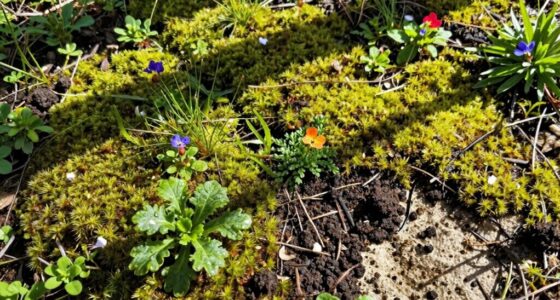
Soil pH plays a crucial role in where the tastiest wild plants thrive, guiding foragers to the most delicious spots—discover how to unlock nature’s hidden bounty.

Wild Edible Safety: Toxins and Processing

Understanding wild edible safety requires careful identification and processing techniques to avoid toxins and enjoy foraging responsibly.

Black Walnuts and Hickories: Nut Foraging Basics

Discover the essential foraging tips for black walnuts and hickories to ensure a successful harvest and enjoy their rich flavors.

Blewits (Clitocybe/Lepista): Color Change and Odor

The intriguing color change and fruity odor of Blewits (Clitocybe/Lepista) offer clues for identification, but understanding these traits fully can help you stay safe.

Black Trumpets: Identification in Dark Leaf Litter

Meticulously identifying black trumpets in dark leaf litter reveals subtle features essential for safe foraging and appreciation.

Shaggy Mane (Coprinus Comatus): ID and Handling

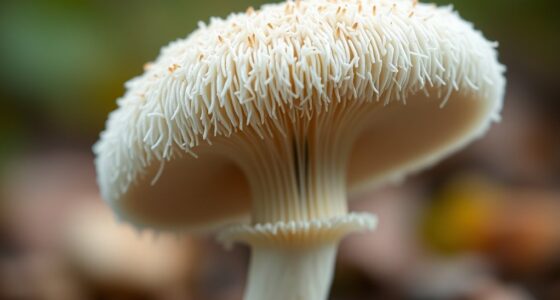
Cleverly identifying and handling Shaggy Mane mushrooms ensures safety and freshness—discover expert tips to harvest them properly and avoid common mistakes.

Foraging Periwinkles: Cleaning and Cooking Basics

Discover essential cleaning and cooking tips for foraging periwinkles, and learn how to prepare them safely and deliciously—your seafood adventure starts here.

Coastal Foraging After Storms: Hazards and Opportunities

Learning to forage safely after storms reveals unexpected opportunities and hidden hazards that could change your entire experience.

Reading Weather for Foraging Success

Unlock the secrets of weather patterns to boost your foraging success and discover how nature’s cues can guide your search effectively.

Geology for Foragers: Soils, Calcium, and Plant Clues

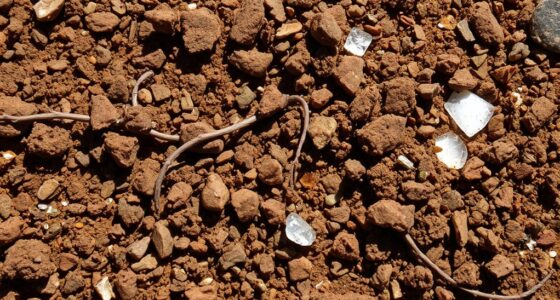
Discover how geology influences soils and plant clues, unlocking secrets for successful foraging and helping you find the best wild foods in your environment.