Foraging for Survival: Quick‑Energy Wild Foods

The thrill of foraging for survival wild foods lies in quickly identifying safe, energizing options—discover how to avoid dangerous lookalikes and stay safe.

Elderberry: Identification and Toxicity Notes

The truth about elderberry identification and toxicity is essential for safe foraging; discover the crucial details you need to know below.

Chicken of the Woods vs. Lookalikes: Safe Harvesting

Just knowing the appearance of Chicken of the Woods isn’t enough—discover how to distinguish it from lookalikes to ensure safe harvesting.

Edible vs. Problematic Seaweeds: Identification Basics

By understanding key identification features, you can distinguish edible seaweeds from problematic ones—continue reading to ensure safe foraging practices.

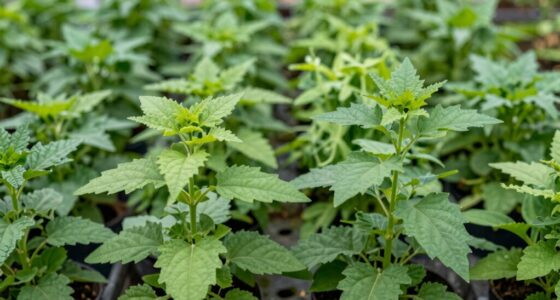
How to Make Safe Foraging Teas and Decoctions

Just knowing which plants are safe isn’t enough—discover essential tips to craft wholesome foraging teas and decoctions safely.

Allergies and Wild Foods: Testing and Cautions

I nvestigating allergies before foraging ensures safety; learn essential testing tips and precautions to protect yourself while exploring wild foods.

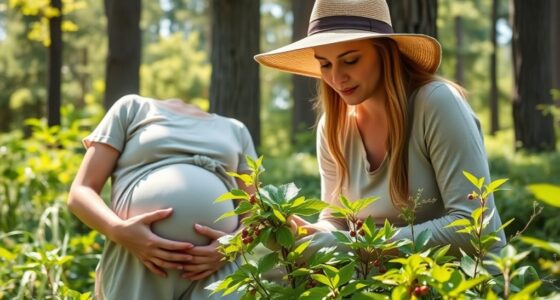
Foraging Safety for Pregnant or Nursing People

IInformed foraging during pregnancy or nursing is crucial to avoid health risks; learn essential safety tips to protect yourself and your baby.

Forager’s Color Wheel: Identifying Berries by Hue to Dodge Dangerous Doubles

A forager’s color wheel helps identify safe berries by hue, but understanding subtle differences is crucial to avoid dangerous doubles and ensure safe foraging.

No‑Fail Field Test: How to Determine Edibility Without a Field Guide

Learn how to confidently identify edible wild plants without a guide using simple, safe field tests—your essential first step in safe foraging.

The Art of the Spore Print: Bulletproof Mushroom ID in Three Easy Steps

Keen to identify mushrooms accurately? Discover the three simple steps to mastering spore prints and ensuring safe mushroom identification.