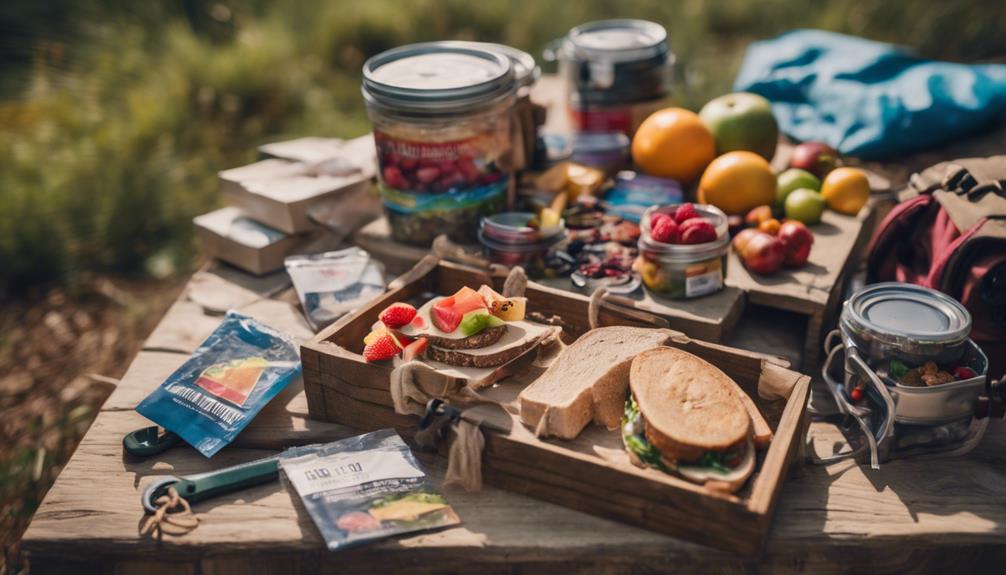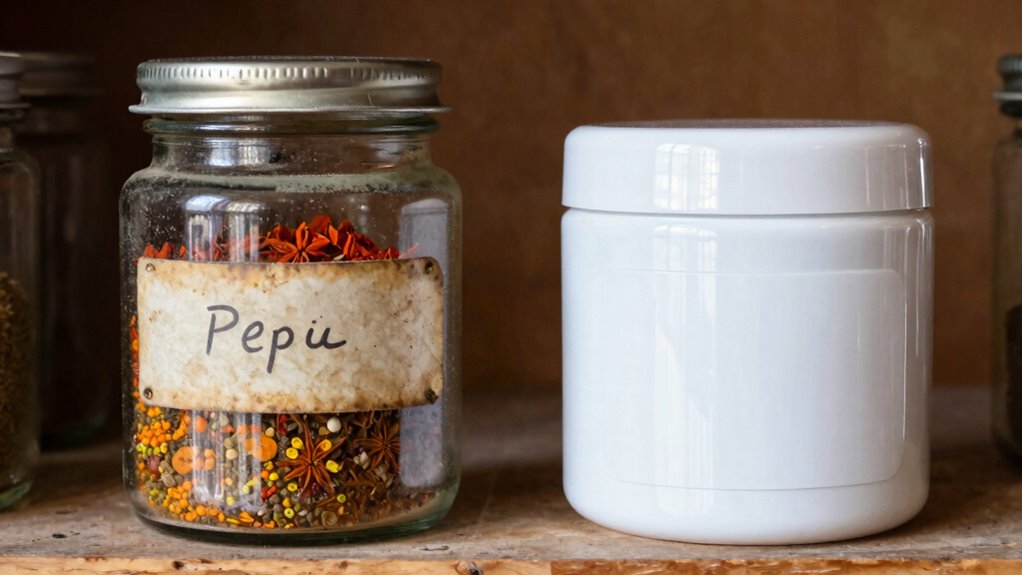

Shelf life shows how long a product remains safe under ideal storage conditions, but usable life depends on how well you store it and whether it stays effective over time. Even after expiration, some items might still be safe or usable if stored properly, but poor conditions can accelerate degradation. Understanding the difference helps you use products wisely and safely. Keep exploring to learn how storage impacts product longevity and safety.

Get garden gear delivered free with Prime
- Fast, free delivery on millions of items
- Prime Video, Amazon Music and more included
- Member-only deals all year
Key Takeaways
- Shelf life indicates safety under recommended conditions, while usable life refers to the period a product remains effective regardless of expiration dates.
- Products can often be used beyond their expiration date if stored properly and signs of degradation are absent.
- Proper storage conditions can extend a product’s usable life beyond its designated shelf life.
- Degradation may occur before expiration, compromising safety and effectiveness even if the product appears fine.
- Understanding both shelf life and usable life helps prevent misuse and ensures safety and efficacy.
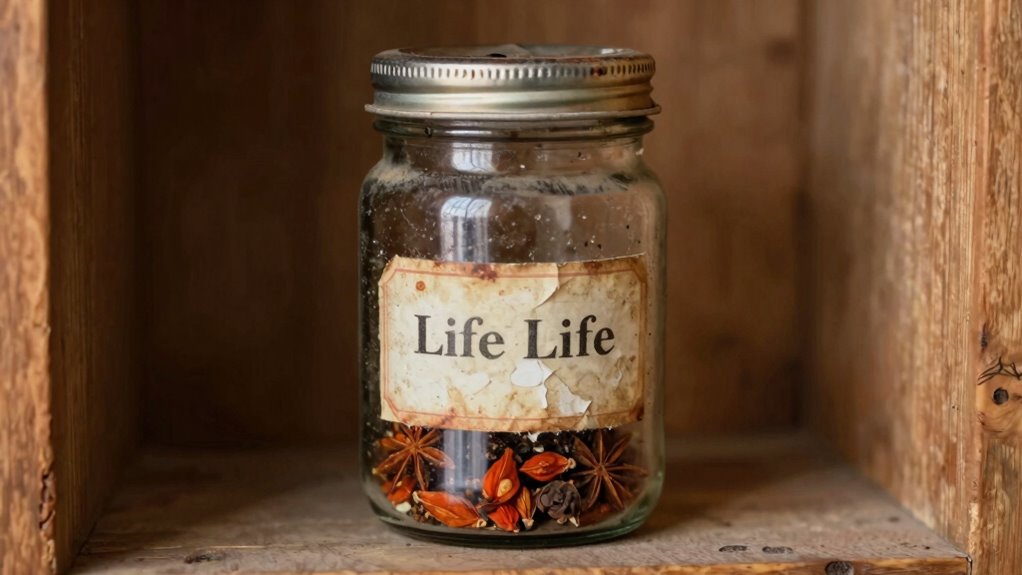
Many people confuse a product’s shelf life with its usable life, but they are not the same. Shelf life refers to the period during which a product remains safe to store under recommended conditions, usually marked by expiration dates. Usable life, on the other hand, is how long you can actually use the product before it loses its effectiveness or quality. Knowing the difference is vital because just because a product hasn’t reached its expiration date doesn’t mean it’s still good to use.
Expiration dates are set based on stability tests and predictable chemical or biological changes that happen over time. They serve as a guideline for safety and potency, especially for food, medicine, and cosmetic items. But these dates don’t account for how you store your products. Storage conditions play a significant role in extending or shortening a product’s usable life. For example, if you keep medication in a hot, humid place, it might degrade faster, even if it’s well before its expiration date. Conversely, storing items in a cool, dry environment can help maintain their quality longer than the expiration date suggests.
You should pay close attention to recommended storage conditions on labels. Proper storage can make a big difference in how long a product remains effective. For instance, many food items require refrigeration after opening, and failing to follow this guideline can accelerate spoilage. Similarly, medicines often need to be kept in a certain temperature range to prevent breakdown. Ignoring these instructions might not only reduce the usefulness of the product but could also pose health risks. Storage conditions significantly influence how long a product stays effective and safe to use. Additionally, understanding product stability can help you decide when a product might still be usable beyond its labeled expiration date.
It’s also helpful to recognize that chemical changes in products over time can affect their safety and efficacy, even if the expiration date hasn’t passed. Proper storage and awareness of product degradation are crucial in determining whether a product is still usable.
refrigerator thermometer for food storage
As an affiliate, we earn on qualifying purchases.
As an affiliate, we earn on qualifying purchases.
Frequently Asked Questions
How Can I Extend the Usable Life of My Products?
To extend your product’s usable life, focus on packaging innovations that improve barrier protection and moisture control. Implement temperature control methods during storage and transportation to slow down deterioration. Keep products in cool, stable environments, and consider vacuum sealing or inert gas packaging to reduce spoilage. Regularly monitor storage conditions, and educate your team on best practices to guarantee your products stay fresh longer and maintain quality.
Does Storage Method Affect Shelf and Usable Life?
Think of your products as delicate plants; proper storage is essential for their health. Yes, your storage method impacts shelf and usable life. Maintaining packaging integrity prevents contamination and spoilage, while temperature control keeps products fresh longer. If you neglect these factors, it’s like leaving plants in harsh sunlight—they won’t thrive. So, store your products carefully, ensuring packaging stays secure and temperatures stay steady to maximize their lifespan.
Are Expired Products Always Unsafe to Use?
Expired products aren’t always unsafe to use, but expiration myths can lead you to discard items unnecessarily. While some foods and medicines may lose potency after their expiration date, safety myths often suggest they’re harmful, which isn’t always true. Always check for visual changes, odors, or textures before using expired items. Your best bet is to use your judgment and consult reliable sources rather than relying solely on expiration dates.
How Do I Determine a Product’s Actual Usable Life?
You can determine a product’s actual usable life through usability testing, which reveals when it no longer performs effectively. Don’t rely solely on product expiration dates, as they indicate safety, not usability. Conduct practical tests based on the product’s intended function, checking for changes in quality, performance, or appearance. This hands-on approach helps you decide whether the product remains safe and effective for use, beyond just its labeled shelf life.
What Are Common Signs a Product Is No Longer Usable?
You’ll notice a product is no longer usable when its labeling shows signs of spoilage or damage, such as discoloration, off-odor, or texture changes. Expiration dates are key indicators—once passed, the product may lose effectiveness or become unsafe. Always check the labeling carefully, and trust your senses. If anything seems off, it’s safest to discard the item rather than risk potential health issues.
medication storage temperature monitor
As an affiliate, we earn on qualifying purchases.
As an affiliate, we earn on qualifying purchases.
Conclusion
So, next time you peek at that expired jar or outdated gadget, remember: shelf life isn’t your life sentence! Just because something’s past its date doesn’t mean it’s instantly useless—your fridge or toolbox isn’t about to turn into a pumpkin. Don’t let a date scare you into throwing out what still has life left in it. Trust your senses, not just the label, and you’ll keep more stuff usable—and save yourself a mountain of waste!
food vacuum sealer for extending shelf life
As an affiliate, we earn on qualifying purchases.
As an affiliate, we earn on qualifying purchases.
humidity control packs for storage
As an affiliate, we earn on qualifying purchases.
As an affiliate, we earn on qualifying purchases.
Halloween Picks
halloween
As an affiliate, we earn on qualifying purchases.