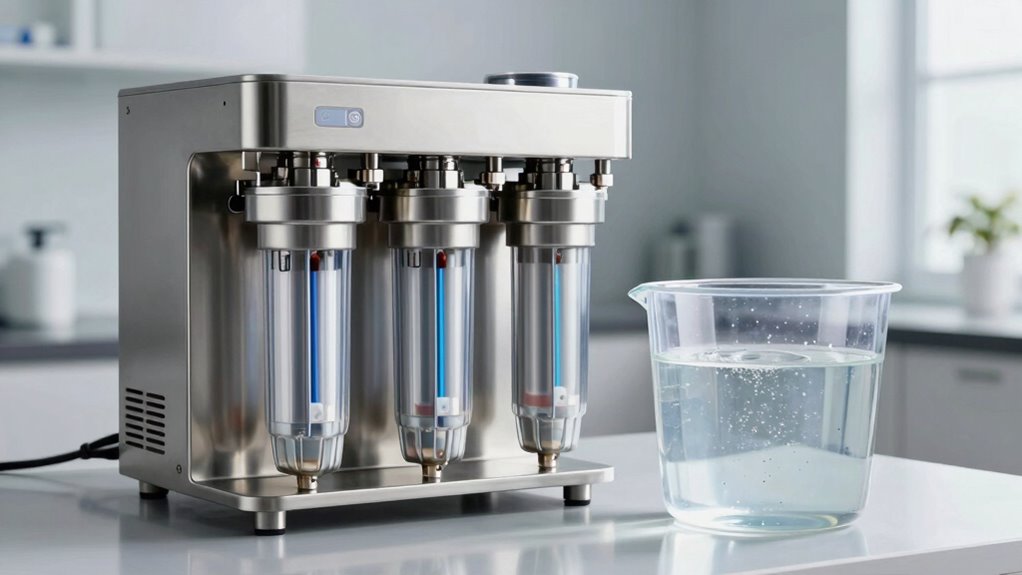

When choosing a reverse osmosis system, you should know that while it provides clean water, it also produces a significant amount of wastewater with concentrated salts and contaminants. This process requires high energy, especially when fouling occurs, which can increase costs and environmental impact. Proper wastewater management is essential, but many buyers overlook these hidden trade-offs. If you want to understand more about balancing water quality, costs, and environmental concerns, keep exploring this topic.

Get garden gear delivered free — and shop member deals
- Fast, free delivery on millions of items
- Access to Prime Big Deal Days deals on October 6–7
- Prime Video, Amazon Music and more included
Key Takeaways
- Reverse osmosis (RO) generates significant wastewater, often containing concentrated salts and chemicals that require careful disposal.
- Higher fouling rates in RO systems increase cleaning frequency, leading to more wastewater and operational costs.
- Wastewater discharge from RO can harm ecosystems if not properly managed or treated.
- Advanced RO designs aim to reduce wastewater volume but often involve higher initial costs.
- Effective wastewater recycling and management strategies can mitigate environmental impact and improve system sustainability.
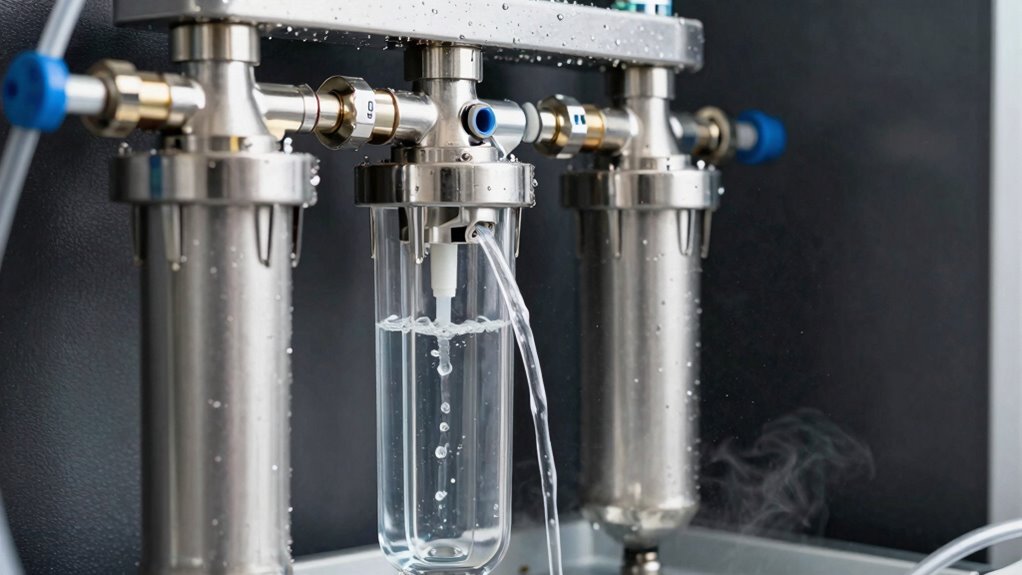
Reverse osmosis (RO) systems are widely used to purify water, but they also generate significant amounts of wastewater that can impact the environment. When you install and operate an RO system, you might not realize the hidden trade-offs involved — particularly, membrane fouling and high energy consumption. Membrane fouling occurs when particles, minerals, or biological contaminants accumulate on the membrane surface, reducing its efficiency. As fouling worsens, your system needs to work harder, increasing energy use to maintain water flow and quality. This not only raises operational costs but also accelerates membrane degradation, forcing you to replace membranes more frequently and adding to waste.
Energy consumption in RO systems is a vital factor that often goes unnoticed until it becomes a problem. Since the process relies on high pressure to push water through semi-permeable membranes, the energy required can be substantial, especially in larger-scale applications. As membranes foul and clog, your system must exert even more pressure to achieve the same output, further escalating energy demands. This increased energy use contributes to higher utility bills and a larger carbon footprint, which can be a concern if you’re aiming for sustainable operations. Additionally, advancements in membrane technology are helping to reduce some of these operational issues, but they do not eliminate the fundamental challenges. Proper wastewater management practices are essential to minimize environmental impact, especially in areas with strict regulations. Moreover, effective system design can play a crucial role in mitigating some of these issues by optimizing flow and cleaning cycles.
Furthermore, the wastewater produced by RO systems contains concentrated salts and contaminants that the process fails to remove entirely. This brine often contains harmful chemicals and minerals, which, if discharged improperly, can harm local ecosystems. While some facilities reuse or treat this wastewater, many still dispose of it directly into the environment, adding to pollution concerns. The more membranes foul and require cleaning or replacement, the more wastewater you generate, compounding the environmental impact. In addition, implementing wastewater recycling can significantly reduce the volume of waste discharged, making operations more environmentally sustainable.
Operational challenges like membrane fouling and high energy consumption don’t just affect costs — they also influence the longevity and reliability of your system. Regular cleaning and maintenance become necessary to keep membranes functioning efficiently, but these processes can be costly and time-consuming. If you overlook these issues, fouling can lead to system downtime, reduced water quality, and increased waste. It’s a cycle where inefficiency breeds more waste, higher costs, and greater environmental impact.
In the end, understanding the trade-offs involved with RO systems helps you make informed decisions. While they provide clean water, the hidden costs of membrane fouling and energy consumption highlight the importance of choosing the right system design, maintenance schedule, and wastewater management practices. Being aware of these factors allows you to optimize your setup, reduce waste, and lower operational costs, creating a more sustainable and efficient water purification solution.
reverse osmosis wastewater management system
As an affiliate, we earn on qualifying purchases.
As an affiliate, we earn on qualifying purchases.
Frequently Asked Questions
How Long Does a Reverse Osmosis System Typically Last?
A reverse osmosis system typically lasts about 10 to 15 years, depending on system durability and maintenance. You can extend its lifespan by regularly replacing filters and membranes. Keep in mind, replacement costs can add up over time, so staying on top of maintenance is essential. Proper care guarantees your system functions efficiently and lasts as long as possible, saving you money and ensuring clean water.
Are There Environmental Regulations Limiting Wastewater Disposal?
Yes, environmental regulations do limit wastewater disposal from reverse osmosis systems. You need to guarantee regulatory compliance by following disposal restrictions set by local, state, and federal agencies. These rules aim to protect water quality and prevent pollution. You should regularly check for updates and work with waste management experts to handle wastewater properly, avoiding fines or legal issues while minimizing environmental impact.
Can Reverse Osmosis Waste Be Safely Repurposed?
Think of reverse osmosis waste as hidden treasure, waiting to be repurposed. You can safely reuse it through alternative reuse methods, as long as you guarantee pollutants removal. Proper treatment transforms wastewater into a resource, reducing environmental impact and conserving water. By embracing this approach, you turn a challenging byproduct into something valuable, making a positive impact on your community and the planet.
What Maintenance Is Required to Reduce Wastewater Output?
To reduce wastewater output, you need to perform regular maintenance on your reverse osmosis system. Check for membrane fouling often, as it decreases efficiency and increases waste. Implement pre-treatment techniques like filtration or chemical dosing to prevent fouling and extend membrane life. Clean or replace membranes as recommended by the manufacturer, and monitor system pressure and flow rates. These steps help optimize water recovery and minimize wastewater production.
How Does Wastewater Volume Vary With Different System Models?
Did you know that some system models produce up to 75% less wastewater? Your choice directly impacts system efficiency and wastewater management. Different models vary markedly in wastewater volume; high-efficiency systems minimize waste, while older or lower-quality units generate more. When selecting a reverse osmosis system, consider how wastewater output aligns with your water needs and environmental goals, ensuring you choose a model optimized for both performance and responsible waste management.
As an affiliate, we earn on qualifying purchases.
Conclusion
So, when you choose a reverse osmosis system, you’re weighing clean water against wastewater. It’s a classic case of “there’s no such thing as a free lunch”—you get purity, but at a cost. Being aware of this trade-off helps you make smarter choices, ensuring you don’t get caught with your pants down. Remember, understanding the full picture lets you turn the tide in your favor and make the best decision for your needs.
As an affiliate, we earn on qualifying purchases.
water recycling system for reverse osmosis
As an affiliate, we earn on qualifying purchases.
As an affiliate, we earn on qualifying purchases.
Fall yard work Picks
leaf blowers
As an affiliate, we earn on qualifying purchases.