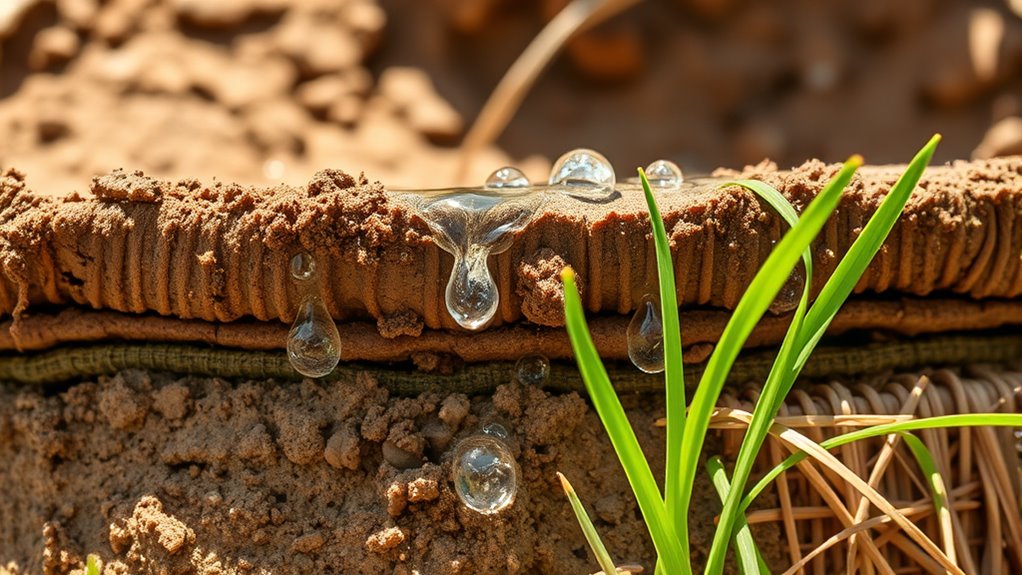

To turn muddy water into safe sips, you can create a primitive filter using natural materials like sand, gravel, and charcoal. Start by layering coarse gravel at the bottom, followed by sand, then add charcoal to remove chemicals and odors. Pass the water slowly through these layers to filter out sediments and impurities. This simple process mimics natural purification methods and can improve water clarity and safety. Keep exploring, and you’ll discover even more effective techniques.
Key Takeaways
- Primitive filters use layered sand, gravel, and charcoal to remove sediments, chemicals, and odors from muddy water.
- Natural materials like grass and plant matter can be incorporated into simple filtration setups for improved safety.
- Layering coarse and fine materials mimics natural filtration, transforming murky water into drinkable, clearer water.
- DIY primitive filters are cost-effective, using locally available resources to produce safe drinking water.
- Maintaining positive mental resilience supports effective use of primitive filtration methods in survival situations.

Have you ever wondered how ancient civilizations managed to make water safe to drink? They didn’t have modern filters or chemical treatments, but they relied on simple, effective methods rooted in natural filtration and DIY purification techniques. By observing their environment and understanding the properties of natural materials, they turned muddy water into life-saving sips. Today, you can learn from their ingenuity and create primitive water filters that harness these basic principles. Incorporating emotional support in survival situations can also help maintain a positive outlook and resilience while facing challenging conditions. Natural filtration is at the core of many primitive water purification methods. Ancient people used layers of sand, gravel, charcoal, and even plant matter to filter out sediments, bacteria, and other impurities. When you set up a DIY purification system, you’re essentially mimicking these natural processes. For example, pouring water through a bed of coarse sand and gravel can trap larger particles, while charcoal helps remove harmful chemicals and odors. These materials work together to improve water clarity and taste, reducing the risk of waterborne diseases. You might find that simple, layered arrangements of natural materials can substantially improve the safety of questionable water sources.
Frequently Asked Questions
How Long Do Primitive Water Filters Typically Last?
You might wonder how long your primitive water filter lasts. Typically, the filter lifespan depends on usage and water quality, but it’s usually a few weeks to a couple of months. To extend its life, you should follow maintenance tips like cleaning the filter regularly and avoiding overuse with heavily contaminated water. Keep an eye on flow rate and taste changes to know when it’s time to replace or clean your filter.
Can I Improve the Filtration Efficiency of Basic Mud and Grass Filters?
You can improve your basic mud and grass filters by optimizing the filter material and flow rate. Use finer materials like sand or charcoal to trap smaller particles, enhancing filtration efficiency. Adjust the flow rate to give water more contact time with the filter, allowing contaminants to settle better. Regularly clean or replace the filter materials, and layer different materials for improved purification. This way, you’ll get cleaner water with less effort.
Are Primitive Filters Effective Against Chemical Contaminants?
Think of your primitive filter as a humble gatekeeper, blocking dirt and grass but struggling with chemical threats. While it resists physical contaminants, it has chemical limitations, making it less effective against harmful chemicals. Its contaminant resistance is limited, so you can’t rely on it to remove chemical contaminants fully. For safer drinking water, consider additional purification methods that target chemicals, ensuring your water is truly safe.
What Are Common Mistakes to Avoid When Making Primitive Filters?
When making primitive filters, you should avoid neglecting filter maintenance, which can reduce effectiveness over time. Don’t skip proper resource sourcing; using clean, appropriate materials like grass or sand is vital. Be careful not to use contaminated or unsuitable resources, and guarantee your layers are correctly assembled for proper flow. Regularly check and clean your filter to prevent clogs, and always prioritize safe, reliable materials for the best results.
How Do Primitive Filters Compare to Modern Water Purification Methods?
When comparing primitive filters to modern purification methods, you’ll notice that primitive filters hold historical accuracy and cultural significance, reflecting early ingenuity. Modern methods, however, offer faster, more reliable results with advanced technology. While primitive filters can be effective in survival situations, they may not eliminate all pathogens. You should understand the limitations and appreciate their cultural importance, but rely on modern techniques for consistent, safe drinking water.
Conclusion
By exploring primitive water filters, you realize that simple tools can have profound impacts. Sometimes, ancient methods prove that resourcefulness and observation outweigh complex technology. This reminds you that innovation often stems from understanding nature and adapting to it. So, next time you face a challenge, remember that even basic solutions—like mud and grass—can transform danger into life-saving clarity. Trust in simple wisdom; it’s often the most powerful.