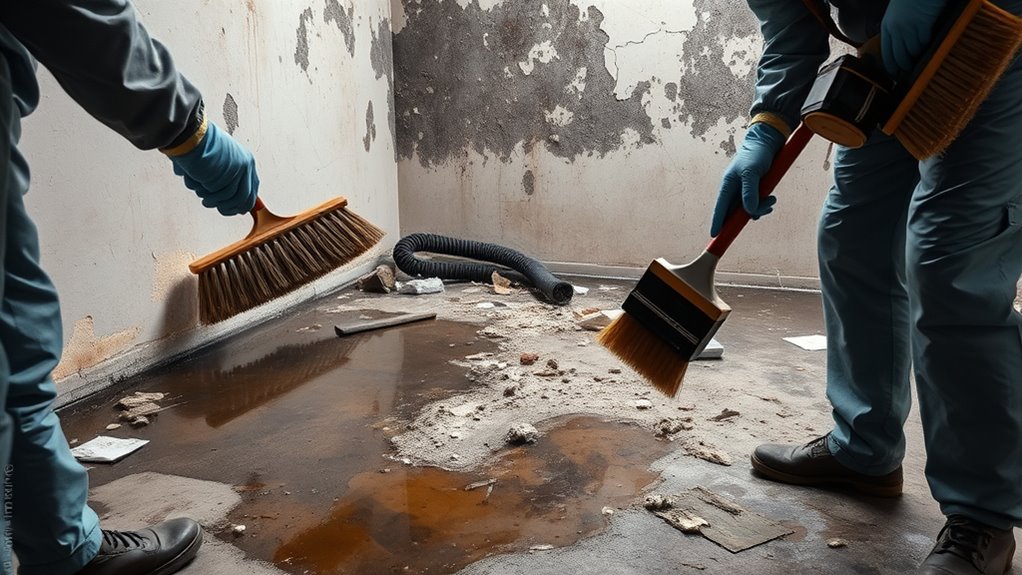

After a disaster, you’ll want to act quickly by removing water and debris to prevent mold growth and further damage. Use professional equipment to dry out your space thoroughly and wear protective gear to stay safe. Proper cleanup and disinfection are key to safeguarding your health and property. If you move forward with these steps, you’ll be better prepared to restore your home and prevent future issues; there’s more to know to do it right.
Key Takeaways
- Prioritize water extraction and debris removal immediately to prevent mold growth and health hazards.
- Use industrial-grade equipment and thoroughly dry all affected areas for effective cleanup.
- Wear protective gear and ensure proper ventilation during debris handling and cleaning processes.
- Dispose of unsalvageable items safely to reduce injury risks and facilitate repairs.
- Conduct thorough disinfection post-cleanup and seek professional help for extensive damage or hazardous materials.

After a disaster strikes, cleanup becomes an essential step in restoring safety and normalcy. Your immediate focus should be on water extraction and debris removal to prevent further damage and health risks. Water can seep into walls, floors,, and furniture, creating a breeding ground for mold and bacteria. Using professional water extraction equipment, you can quickly remove standing water, reducing the chance of long-term damage. It’s necessary to start this process as soon as possible because the longer water sits, the more destruction it causes. Debris removal also plays a key role in clearing the way for repairs and ensuring safety. You need to carefully gather and dispose of broken materials, damaged furniture, and other debris to prevent injuries and make the area accessible for cleanup crews or repairs.
Prioritize water extraction and debris removal immediately to prevent mold, damage, and health hazards after a disaster.
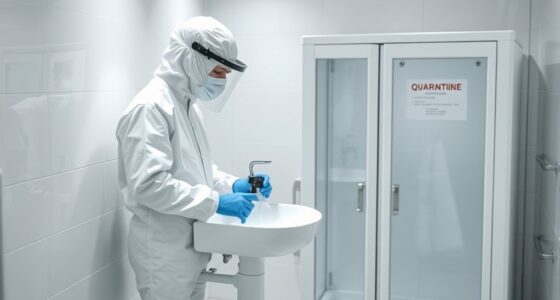
As you work through water extraction, pay close attention to hidden pockets of moisture. Check behind drywall, under carpets, and in corners where water might have accumulated. Using industrial‑grade pumps and wet/dry vacuums speeds up the process. Remember, getting rid of excess water isn’t just about visible puddles; it’s about drying the entire area thoroughly to prevent mold growth. Once the water is removed, you can focus on debris removal, which involves sorting through the mess and discarding anything that’s beyond salvage. Be sure to wear protective gear to avoid contact with contaminated materials.
While water extraction and debris removal are immediate priorities, don’t forget the importance of safety during cleanup. Guarantee proper ventilation to reduce airborne mold spores and dust. If electrical systems are compromised, turn off power to prevent shocks. Handling debris carefully is essential—sharp or heavy objects can cause injuries. If the damage is extensive, consider hiring professionals who have the right equipment and experience to handle hazardous materials safely. Additionally, understanding mold prevention and proper cleaning techniques can significantly reduce health risks after cleanup.
After the bulk of water and debris are cleared, your next steps involve thorough cleaning and disinfection to eliminate mold and bacteria that may have settled. Proper water extraction and debris removal lay the groundwork for effective mold remediation and rebuilding efforts. By acting swiftly and carefully, you protect yourself and your property from further harm. Keep safety at the forefront, stay organized, and don’t hesitate to seek professional help if needed. This proactive approach not only speeds up recovery but also minimizes health risks, helping you restore your home or business back to a safe, healthy condition.
Frequently Asked Questions
How Long Should I Wait Before Entering a Disaster-Affected Property?
You should wait at least 24 to 48 hours before entering a disaster-affected property, depending on the severity. Timing considerations are vital to guarantee safety, especially if there’s water damage or potential mold growth. Follow proper entry protocols, like wearing protective gear and checking for structural stability. Always consult local authorities or disaster response teams to confirm it’s safe to enter, preventing health risks and further damage.
Are DIY Cleanup Methods Effective and Safe After a Disaster?
DIY cleanup methods can be somewhat effective for minor damage, but safety considerations are vital. If you’re dealing with extensive debris, mold, or contaminated water, professional help is recommended to guarantee thorough and safe removal. Always wear protective gear, ventilate the area, and avoid hazardous materials. Relying solely on DIY approaches may risk health issues or incomplete cleanup, so evaluate the extent of damage before deciding if you can handle it safely yourself.
What Are the Signs of Hidden Mold Growth?
You might have hidden mold growth if you notice a persistent mold odor or see hidden water stains on walls, ceilings, or floors. Dark patches or fuzzy spots beneath surfaces can also indicate mold. Keep an eye out for musty smells and discoloration that aren’t obvious. If you suspect hidden mold, it’s best to get a professional inspection, as DIY methods may miss or spread mold spores unknowingly.
How Can I Prevent Mold From Returning After Cleanup?
To prevent mold from returning after cleanup, you should focus on mold prevention and moisture control. Keep your home well-ventilated and use dehumidifiers to reduce humidity levels below 60%. Fix any leaks promptly and dry out affected areas completely. Regularly inspect for signs of moisture or mold growth, and clean surfaces with mold-resistant products. Staying proactive with moisture control helps make certain mold doesn’t come back.
What Safety Gear Is Essential During Disaster Cleanup?
You should wear protective equipment like gloves, masks, goggles, and waterproof boots to stay safe during disaster cleanup. Following safety protocols is vital to avoid exposure to hazardous materials, mold spores, and contaminated debris. Make sure your mask is an N95 or higher, and always work in well-ventilated areas. Proper protective gear minimizes health risks and keeps you safe while you restore your space.
Conclusion
After a disaster, cleanup is like tending a fragile garden—you must be gentle yet thorough. Prioritize safety, wear protective gear, and address mold promptly to prevent health issues. Remember, your efforts are the foundation for healing and rebuilding. Just as a storm passes to reveal a brighter sky, your careful work will restore your space and peace of mind. Stay cautious, stay strong, and know that with patience, recovery will bloom.