TL;DR

Get garden gear delivered free with Prime
- Fast, free delivery on millions of items
- Prime Video, Amazon Music and more included
- Member-only deals all year
A guide published Oct. 26, 2026, describes practical ways to skin a deer, including the basic equipment, preparation and differences between hanging the animal head-up or head-down. National Deer Association deer outreach specialist Cheyne Matzenbacher says there is no single correct order, but a sharp knife, clean handling and prompt cooling matter.
A deer-skinning guide published Oct. 26, 2026, explains how hunters can prepare an animal, choose a hanging position and remove the hide before butchering. Cheyne Matzenbacher, a former deer processor and current National Deer Association deer outreach specialist, says methods differ, but a sharp knife and a suitable setup can make the work more manageable.
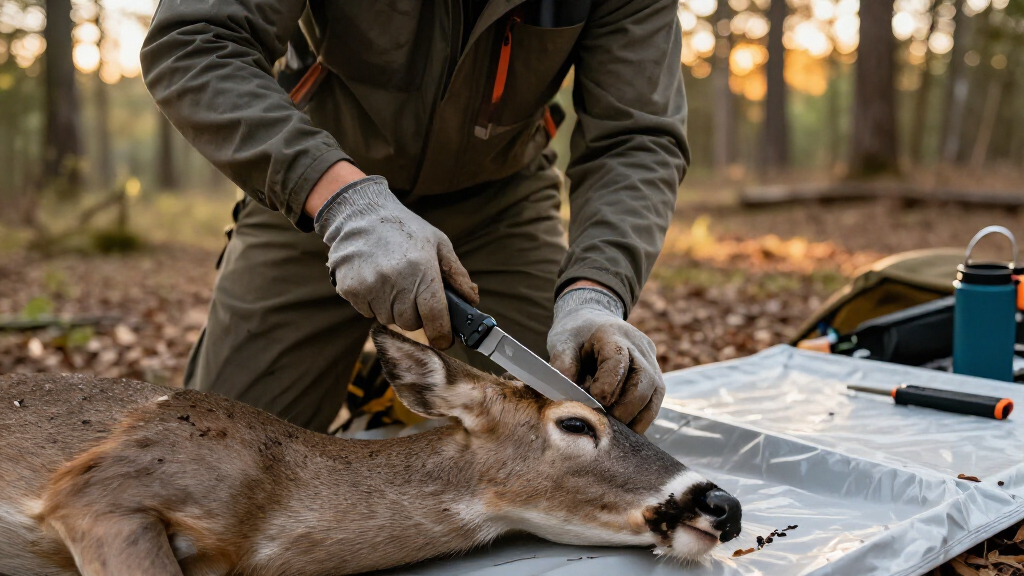
The guide says the only essential tool is a sharp skinning knife; a dull blade can make the job take longer and be dangerous. Optional equipment includes a knife sharpener, gloves, a headlamp, a gambrel, a hoist or rope, and a bone saw or loppers. The setup depends on where the animal was taken and what equipment is available.
Before skinning, the deer should be field dressed, meaning its internal organs are removed. The guide says hanging the animal is generally easier for hunters working near home and can help keep meat away from dirt and hair. Backcountry hunters may instead skin and quarter the animal on the ground using a gutless method, then place the meat in game bags.
Hunters can hang a deer head-up or head-down. Head-up positioning can make gutting and pulling the hide over the shoulders easier. Head-down positioning leaves the animal ready for butchering, though the shoulders and forelegs may take more work to skin. Matzenbacher says gravity can help the hide come away in the direction the legs naturally fold. For a deer intended for a shoulder mount, the guide cautions against hanging it by the neck because that can damage the cape; hanging by the antlers is an option, with care needed near antler shedding season.
Keeping Meat Clean and Cool
Skinning is an early step in turning a harvested deer into packaged meat, and the way it is handled affects both cleanliness and cooling. The guide advises working quickly in hot weather, removing the hide and moving the meat into shade or a walk-in cooler when possible. That allows the meat to cool and limits contact with the hide, dirt and hair.
Equipment and location can also affect how safely and efficiently one person handles a deer. A hitch-mounted hoist, rope and block-and-tackle, or electric hoist can help lift the animal and provide a stable work position. The guide also notes that carcass transport rules may restrict moving bone-in meat, spinal columns or heads across county or state lines in some places. Hunters should check the rules that apply to their route before transporting the animal.
Popular right now

Dyson Big Ball Multi Floor Canister Vacuum, Yellow

Ninja Foodi DZ201 8-Quart DualZone 6-in-1 Air Fryer

Dyson V8 Cordless Vacuum
As an affiliate, we earn on qualifying purchases.
From Field Dressing to Butchering
The guide describes skinning as a step between field dressing and butchering, rather than a single fixed procedure. Hunters may work at the site of the kill, at camp or near home, and the tools available influence whether the animal is hung or processed on a flat surface. The article says many hunters develop their own order of operations.
Matzenbacher, drawing on a season working at a deer-processing operation, describes skinning deer in one position and turning them head-down for butchering. He estimates that taking 10 minutes to skin a deer would be a long time for him, but that is his personal benchmark, not a standard or a guarantee for other hunters. The guide’s central point is that there is no one right method so long as the work is carried out carefully.
“Think about how a deer jumps over a fence: His legs are folded up against his body. Let gravity help you, and let the natural way a deer is going to fold up help you skin it. Don’t fight it.”
— Cheyne Matzenbacher
Local Rules and Field Conditions
The guide does not specify one method that works best for every deer, location or hunter. The appropriate setup depends on access to lifting equipment, weather, the intended use of the hide and whether the animal is being processed in the field or near home. It also does not provide a complete, jurisdiction-by-jurisdiction account of carcass transport laws.
Hunters should verify current local transport requirements and follow applicable food-safety guidance. The source material gives general practical advice, not a substitute for rules that vary by location or conditions. It also does not provide a complete step-by-step description of every cut used to free a hide.
Before Moving the Carcass
Before transporting a deer, hunters should check the rules for the counties and states on their route, particularly any restrictions on moving a head, spinal column or bone-in meat. They should choose a stable hanging or field-processing setup, use a sharp knife carefully and plan where the meat will be kept cool after the hide is removed.
The guide offers general steps rather than reporting a developing event. No follow-up announcement or change in hunting rules is identified; the immediate next steps depend on the hunter’s location, conditions and planned processing method.
Key Questions
What equipment is required to skin a deer?
The guide identifies a sharp skinning knife as the only required tool. A sharpener, gloves, headlamp, gambrel, hoist or rope and bone-cutting tools are optional, depending on the setup.
Should a deer be hung head-up or head-down?
Either position can work. Head-up may make gutting and skinning over the shoulders easier; head-down can make the later butchering stage more convenient. The guide says the choice depends on the hunter’s process and equipment.
Can a deer be skinned on the ground?
Yes. The guide says hunters can skin on the ground or another flat surface, particularly when working in the backcountry. It recommends learning the gutless method for field skinning and quartering.
How can hunters help keep the meat clean and cool?
Hanging the deer can keep the meat away from dirt and hair. In hot weather, the guide advises removing the hide promptly and moving the meat into shade or a walk-in cooler when available.
Can a deer with a mount-worthy cape be hung by the neck?
The guide warns that hanging a deer by the neck can damage the cape if the animal is intended for a shoulder mount. It says hanging by the antlers is an option, but hunters should take care near antler shedding season.
Source: outdoorlife.com