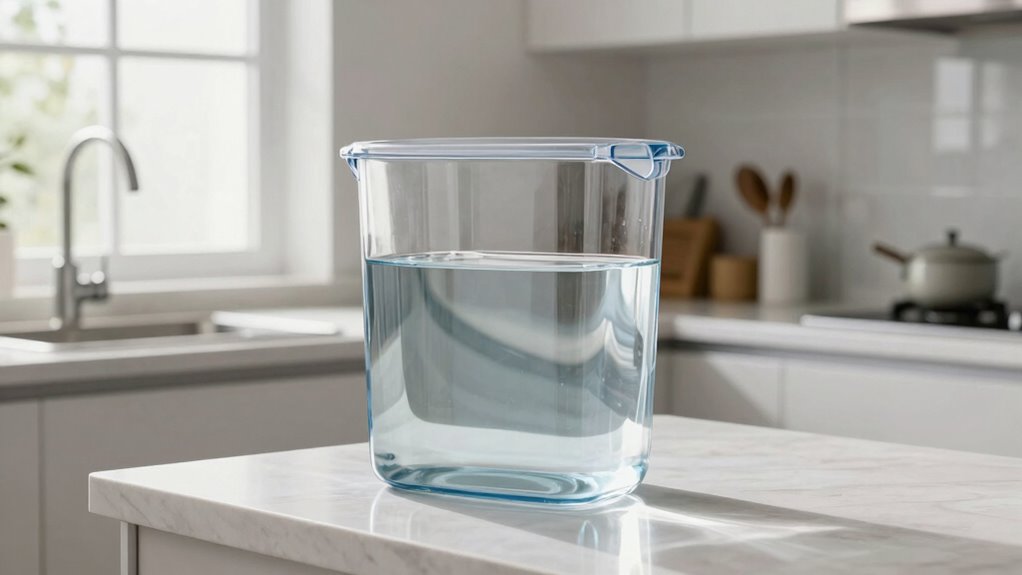
To keep your water safe, store containers in cool, dark places away from chemicals, waste, or cleaning supplies. Choose a spot that’s easily accessible for cleaning and refilling, which helps maintain hygiene standards. Regularly check your containers for damage, and guarantee they have tight-fitting lids to prevent contamination. Proper storage locations can greatly improve water quality and safety. Keep exploring for more tips on maintaining clean, healthy water at home.

Get garden gear delivered free with Prime
- Fast, free delivery on millions of items
- Prime Video, Amazon Music and more included
- Member-only deals all year
Key Takeaways
- Store water in cool, dark areas away from chemicals and waste to prevent contamination and inhibit bacterial growth.
- Use food-grade, BPA-free containers with tight lids for safe and contamination-free storage.
- Regularly clean and inspect containers every few months to maintain water quality and prevent biofilm buildup.
- Place containers in accessible locations to facilitate routine cleaning, refilling, and maintenance.
- Incorporate water purification methods, such as filtering, to enhance safety before use or consumption.
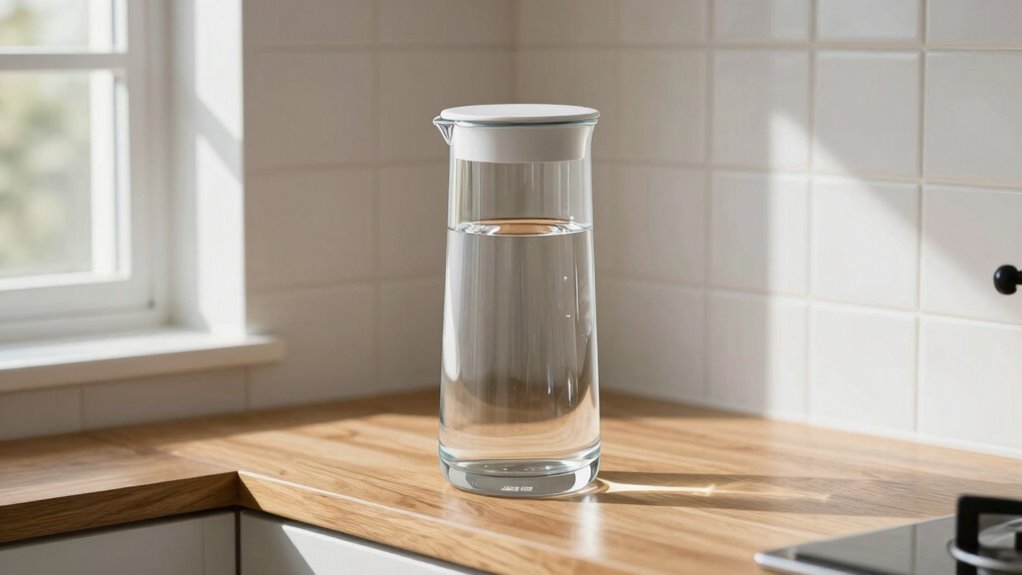
Have you ever considered how safe your household water supply truly is? Many people overlook the importance of proper storage and maintenance, assuming their tap water is automatically safe to drink. But without proper water purification practices and careful storage maintenance, contaminants can find their way into your water, risking your health. The location of your water storage plays a critical role in guaranteeing its safety and quality. Placing water containers in cool, dark places away from direct sunlight and heat sources helps prevent the growth of bacteria and algae. Avoid areas near chemicals, cleaning supplies, or waste, as these can seep into the water and compromise its purity. When you select a storage spot, think about accessibility for regular cleaning and refilling, making it easier to uphold high standards of hygiene. Proper storage isn’t just about location; it also involves choosing the right containers. Use food-grade, BPA-free containers designed for water storage, and guarantee they have tight-fitting lids to prevent dust, insects, and other contaminants from entering. Regular storage maintenance is essential in keeping your water safe. This means cleaning your containers thoroughly at least every few months, scrubbing away any residue or biofilm that may develop. Rinse the containers with a mixture of water and a mild, approved sanitizer, then rinse again with clean water before refilling. Additionally, always check for signs of wear or damage, replacing containers when necessary. Water purification is another key step to safeguard your water supply. Even with proper storage and maintenance, filtering your water before use adds an extra layer of protection, especially if you’re drawing from a well or other untreated sources. Using a reliable water purifier—be it a pitcher filter, under-sink system, or whole-house filtration—removes sediments, bacteria, viruses, and chemicals that could be harmful. Incorporating these practices into your routine ensures you’re not just storing water, but actively maintaining its safety and quality. Remember, the goal is to keep your water as fresh and clean as possible from the moment it’s stored to when it’s used. By paying attention to better location choices, practicing diligent storage maintenance, and implementing effective water purification methods, you substantially reduce the risk of waterborne illnesses and enjoy peace of mind. Clear, safe water inside your home depends on consistent effort and mindful habits, helping you protect your health and that of your loved ones every day. Proper storage and water quality management are essential components in maintaining a safe and reliable household water supply.
A good understanding of water safety standards can further enhance your ability to keep your water clean and safe for your family.
Popular right now

Breville Bambino Espresso Machine, Brushed Stainless Steel

KitchenAid Classic Series 4.5-Quart Tilt-Head Stand Mixer, Onyx Black

Dreame X60 Max Ultra Complete Robot Vacuum and Mop
As an affiliate, we earn on qualifying purchases.
Frequently Asked Questions
How Often Should I Clean My Indoor Water Storage Containers?
You should clean your indoor water storage containers every three to six months for optimal container maintenance. Regular cleaning prevents bacteria buildup and mold growth. It’s also important to test your water periodically to guarantee quality and safety. When cleaning, use mild soap and rinse thoroughly. Consistent maintenance and water testing help keep your stored water safe and fresh for your household needs.
What Materials Are Safest for Storing Drinking Water Indoors?
You should choose water container materials like food-grade plastic, stainless steel, or glass for storing drinking water indoors. These materials are safe because they don’t leach harmful chemicals and are easy to clean. Follow safe storage practices by keeping containers sealed, away from sunlight, and in a cool, dry place. Regularly inspect and clean your containers to guarantee water remains safe and fresh for consumption.
Can Stored Water Inside the Home Affect Indoor Air Quality?
Stored water inside your home can impact indoor air quality if it leads to airborne bacteria or moisture buildup. Stagnant water can become a breeding ground for bacteria, which may become airborne and affect breathing. Additionally, leaks or spills can increase humidity, encouraging mold and mildew growth. To prevent this, guarantee containers are sealed tightly, regularly clean storage areas, and monitor for any signs of moisture or bacterial activity.
What Are Signs of Contaminated Water in Indoor Storage?
You might notice a cloudy or murky appearance, which hints at water contamination. Unpleasant odors or a slimy film on container surfaces also signal issues. When water filtration isn’t effective, or if container materials are porous or degrade over time, bacteria and algae can grow, leading to unsafe water. Regularly check for discoloration, bad smells, or unusual tastes to guarantee your stored water remains clean and safe.
How Do I Prevent Mold Growth in Indoor Water Containers?
To prevent mold growth in indoor water containers, you should regularly clean and disinfect them, ensuring proper water treatment. Keep containers in well-ventilated areas to reduce humidity, which discourages mold. Use breathable lids or ventilation holes for airflow, and avoid storing water in damp, enclosed spaces. Also, replace water frequently and inspect containers for signs of mold or algae, maintaining a clean, dry environment for safe storage.
Conclusion
By choosing the right spot for your water storage, you’re quietly setting the stage for better health and peace of mind within your home. A thoughtful placement acts like a gentle guardian, helping keep your water pure and your family safe. When you prioritize smart locations, you’re not just storing water—you’re nurturing a sanctuary of well-being. Small changes, like strategic placement, can make a big difference, turning everyday routines into acts of care and protection.