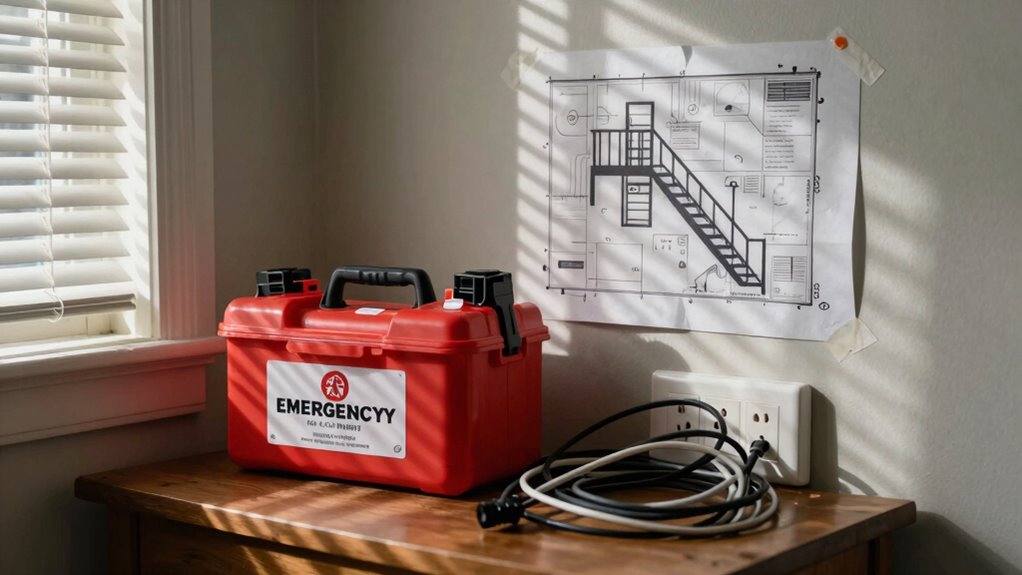

Most home emergency plans overlook detailed, adaptable evacuation routes that account for different emergencies and obstacles. You might know the main exits, but many plans fail to include multiple routes marked clearly or consider potential blockages during crises. This weakness can slow you down or cause confusion when time is critical. Strengthening your plan with varied escape options and practicing them guarantees you’re prepared for unpredictable situations. Keep going to find out how to make your plan truly fail-safe.

Get garden gear delivered free with Prime
- Fast, free delivery on millions of items
- Prime Video, Amazon Music and more included
- Member-only deals all year
Key Takeaways
- Many plans lack detailed, known escape routes accessible under low visibility or blockages.
- Emergency plans often overlook the need for multiple, well-practiced evacuation strategies for various scenarios.
- Communication strategies frequently depend on a single method, risking failure during disruptions.
- Households often neglect to incorporate emergency tools and alternative communication devices into their plans.
- Plans may be too rigid, failing to account for unpredictable obstacles or hazards during actual emergencies.
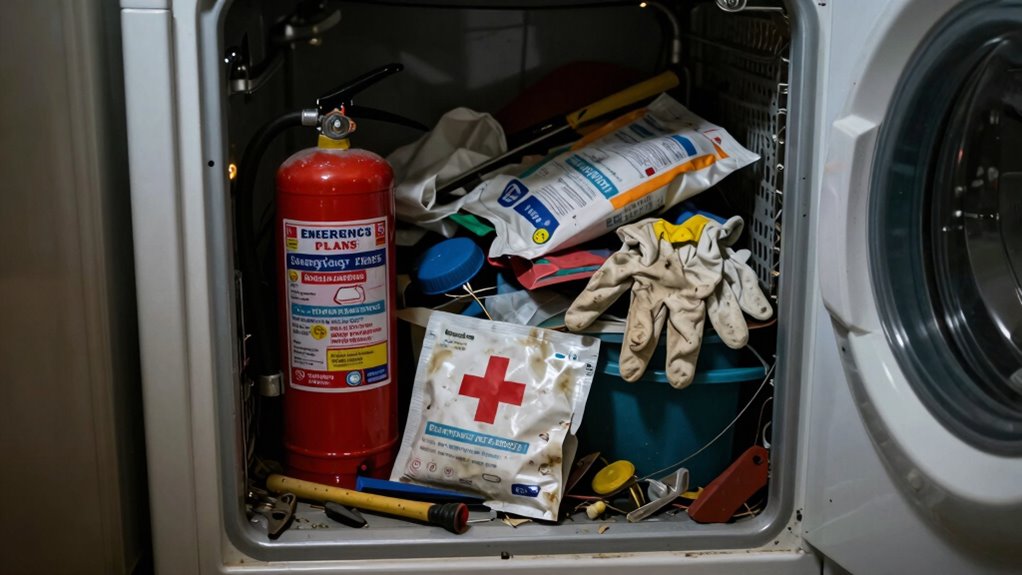
Have you ever wondered if your home emergency plan truly covers everything? Many people think they’re prepared until a crisis strikes, revealing gaps in their safety strategies. One of the most overlooked weak points is how well your plan handles evacuation procedures and communication strategies during an emergency. These are vital components that, if neglected, can turn a manageable situation into chaos.
When it comes to evacuation procedures, many plans focus on the basic idea of leaving quickly, but they often lack detailed routes or fail to consider potential hazards along the way. Do you know multiple escape routes from every part of your home? Are these routes clearly marked and accessible, especially during periods of low visibility or if certain exits are blocked? It’s indispensable to plan for various scenarios—fire, natural disasters, or even a break-in—and guarantee your family knows how to evacuate safely from different parts of your house. Additionally, practicing these procedures regularly helps everyone stay calm and act swiftly when it counts. Without clear, practiced evacuation procedures, confusion and delays can put lives at risk.
One way to strengthen your plan is to include well-practiced drills, ensuring everyone is familiar with the safest and quickest routes. It’s also beneficial to incorporate comprehensive planning, which considers multiple potential emergencies and obstacles, into your overall strategy. Moreover, understanding the importance of scenario-based training can prepare your household for unexpected situations more effectively. Having a diversified communication plan that accounts for various disruptions can significantly improve your response during a crisis. Incorporating emergency preparedness tools like flashlights, whistles, or two-way radios can also help maintain communication if traditional channels fail.
Communication strategies are another weak spot that’s often underestimated. During an emergency, staying connected with your family and emergency responders is vital. Do you have a designated way to communicate if the phone lines are down or if there’s no cell service? Relying solely on a single method of communication might leave you stranded. You should consider setting up multiple channels—such as text messages, social media updates, or emergency apps—and establishing a designated meeting point outside your home. Knowing how to share critical information quickly can prevent misunderstandings and ensure everyone’s safety. Additionally, informing all family members about these communication plans guarantees they’re prepared to follow them without hesitation.
The problem with many home emergency plans is the assumption that everything will go smoothly without considering these complexities. In reality, emergencies are unpredictable, and having detailed, well-practiced evacuation procedures combined with robust communication strategies can make all the difference. The key is to think ahead, identify potential obstacles, and keep your entire household informed and ready. It’s not enough to have a plan; you need a thorough, adaptable plan that covers every possible angle. By paying attention to these often-overlooked elements, you dramatically improve your chances of staying safe when disaster strikes. Remember, a plan isn’t just about knowing what to do—it’s about being prepared for anything, anytime.
As an affiliate, we earn on qualifying purchases.
Frequently Asked Questions
How Often Should Emergency Plans Be Reviewed and Updated?
You should review and update your emergency plans at least once a year. Regularly check your evacuation procedures to confirm they’re current, and verify your emergency kit has all necessary supplies. Changes in your household, like new members or relocating, also require updates. Practicing your plan helps you identify gaps, so keep your emergency kit accessible and your procedures clear to respond effectively during an actual emergency.
Who Should Be Responsible for Executing the Emergency Plan?
You should assign a specific person or role to execute your emergency plan, ensuring responsibility clarity. This role might be a family member or a designated neighbor, depending on your household’s size and structure. By clearly defining who is responsible for each task, you prevent confusion during emergencies. Regularly review and communicate these roles so everyone understands their part, making your plan more effective and reducing the risk of overlooked essential actions.
How Can Families Practice Emergency Drills Effectively?
You can practice emergency drills effectively by scheduling regular evacuation rehearsals, ensuring everyone knows their escape routes. Use safety role playing to simulate different scenarios, helping family members react confidently. Involve all members, including children, and review the plan afterward to identify improvements. Keep drills realistic and brief to maintain engagement. Consistent practice reinforces safety habits, making your family better prepared for real emergencies.
What Common Mistakes Undermine Home Emergency Preparedness?
You often undermine your home emergency preparedness when you neglect to regularly review and practice evacuation procedures with your family. Overlooking the importance of a well-stocked emergency kit can leave you unprepared during a crisis. Failing to update contact information or guarantee everyone knows the plan can cause confusion. To strengthen your plan, rehearse evacuation routes frequently and keep your emergency kit accessible, complete, and up-to-date.
How to Ensure Communication During a Household Emergency?
You guarantee communication during a household emergency by establishing clear family roles and practicing your plan regularly. Keep an emergency kit with essential supplies, including a battery-powered radio, to stay informed if power’s out. Designate a primary communicator and a backup, so everyone knows who to contact. Use predetermined signals or messages to coordinate, and make sure all family members understand their roles to maintain effective communication during crises.
emergency communication device kit
As an affiliate, we earn on qualifying purchases.
As an affiliate, we earn on qualifying purchases.
Conclusion
Remember, your home emergency plan is like a shield protecting your loved ones. But if you overlook that one weak spot, it’s like leaving a tiny crack in your armor—small, yet potentially devastating. Picture a storm’s howling winds finding that gap, seeping in and unraveling everything you’ve built. To truly safeguard your family, don’t just prepare; identify and reinforce that hidden weak point. Your peace of mind depends on it, and your home’s safety hinges on your vigilance.
multi-route home evacuation plan
As an affiliate, we earn on qualifying purchases.
As an affiliate, we earn on qualifying purchases.
As an affiliate, we earn on qualifying purchases.
Halloween Picks
halloween
As an affiliate, we earn on qualifying purchases.