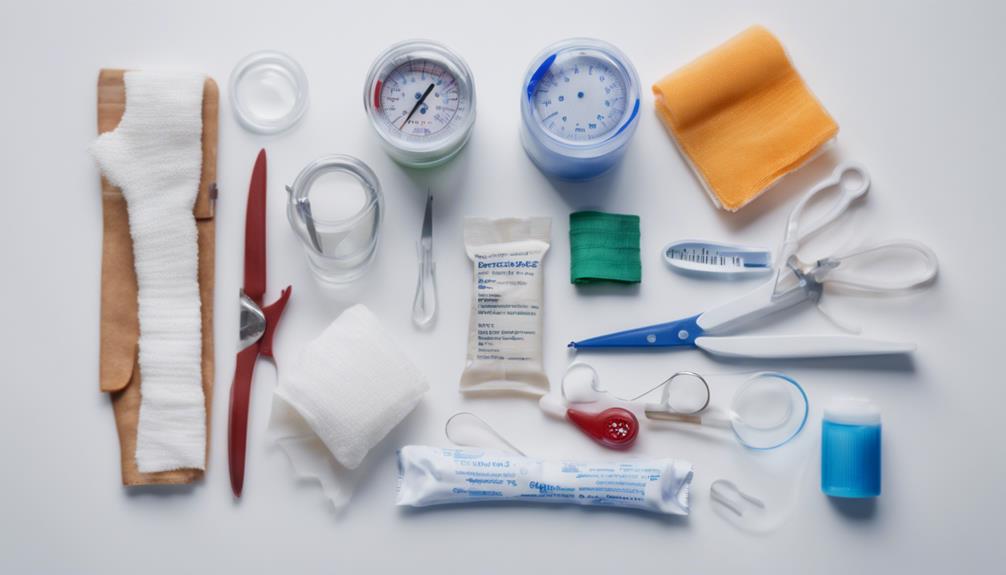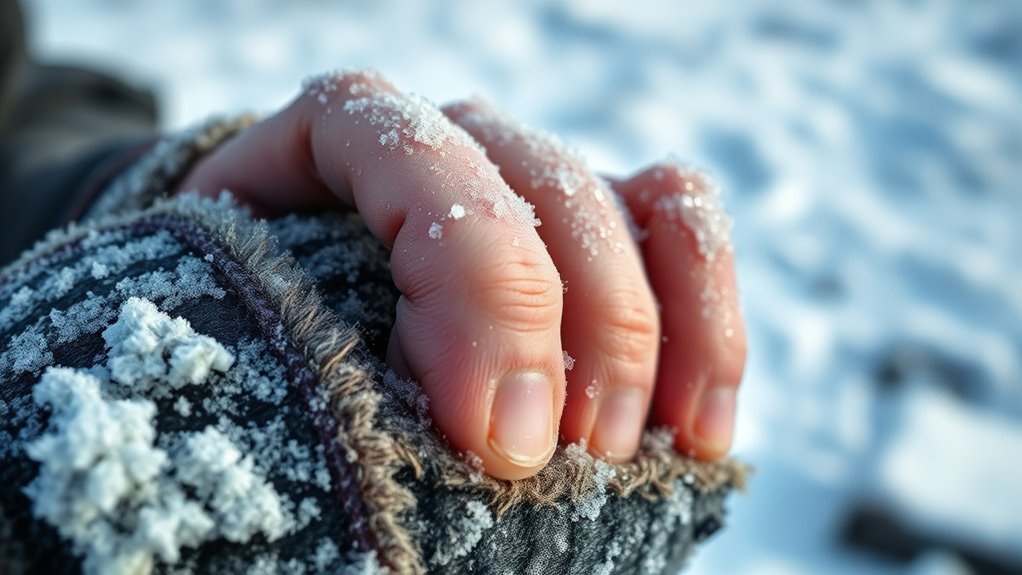

To prevent frostbite and hypothermia in cold weather, wear proper layered clothing that fits snugly without restricting circulation, and always cover your extremities with hats, gloves, and warm boots. Stay dry, avoid excessive sweating, and keep moving to generate heat. Use reflective and visible signals to attract help if needed. Recognizing early signs and knowing how to signal can make a life-saving difference—continue to learn more about staying safe in cold conditions.

Get garden gear delivered free with Prime
- Fast, free delivery on millions of items
- Prime Video, Amazon Music and more included
- Member-only deals all year
Key Takeaways
- Wear layered, moisture-wicking, and insulated clothing to keep body warmth and prevent frostbite and hypothermia.
- Protect extremities—cover head, hands, and feet—to reduce heat loss and risk of frostbite.
- Avoid tight clothing; ensure layers fit snugly to trap warm air without restricting circulation.
- Recognize early signs of frostbite and hypothermia: numbness, shivering, confusion, and seek immediate shelter or medical help.
- Use signaling methods like mirrors, whistles, and visual markers to attract rescuers and stay visible in cold environments.
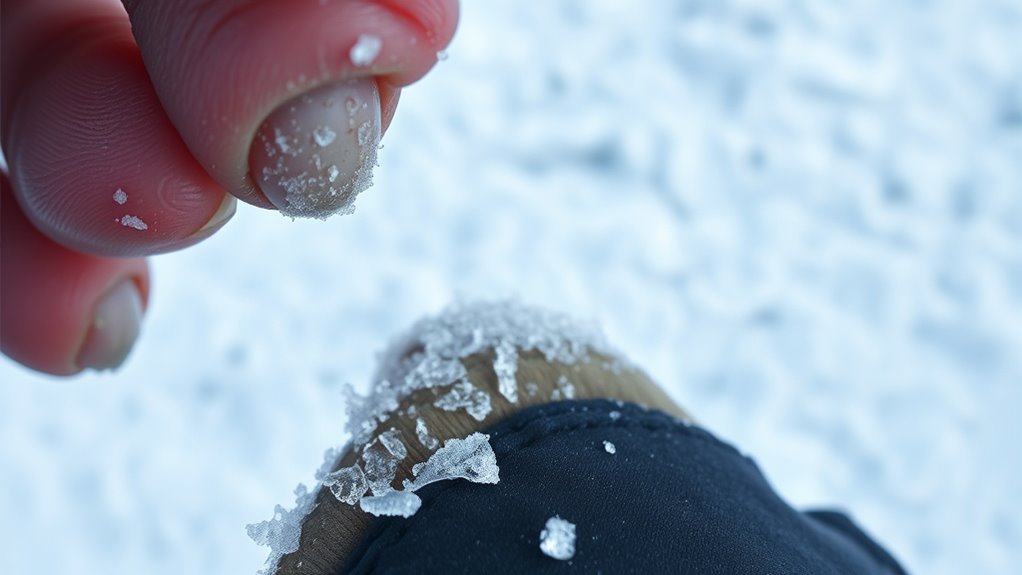
Have you ever wondered how to survive when the cold bites hard and help isn’t nearby? In a survival situation, your first priority is to stay warm and protect yourself from the elements. Proper clothing becomes your best defense against frostbite and hypothermia. Layering is essential; start with moisture-wicking base layers to keep sweat away from your skin, then add insulating layers like wool or fleece to trap body heat. Finally, cover yourself with a waterproof and windproof outer layer to shield against wind and snow. Cover your head, hands, and feet meticulously—these areas lose heat quickly. Wearing a hat, gloves, and insulated boots can make a huge difference in maintaining core temperature. Avoid tight clothing that restricts circulation, but make certain your layers fit snugly enough to trap warm air close to your body.
If you find yourself stranded in freezing conditions, emergency signaling is vital. Signaling helps rescuers locate you faster, increasing your chances of survival. Use a whistle, mirror, or flashlight to attract attention. A signal fire, if feasible, can serve as both a visual beacon and a warmth source, but be cautious not to start a forest fire. Reflective objects like metallic items or even a bright piece of clothing can be used to catch the sun’s rays and create visible signals from a distance. Creating large, noticeable signals on the ground, such as an “X” or an SOS pattern, can also help rescuers spot you from the air. If you’re in a group, stay together to be more visible and to conserve body heat. Additionally, understanding the importance of a higher contrast ratio in visual signals can significantly increase their visibility in snowy or dark environments.
Your clothing and signaling efforts aren’t just about survival—they’re about maintaining your body’s core temperature and making sure you’re seen. Proper clothing acts as your first line of defense against the cold, preventing wind chill and frostbite, while emergency signaling maximizes your chances of being rescued quickly. Always remember, staying dry and insulated is key; moisture can quickly sap your body heat, so avoid sweating too much or getting wet. Keep moving to generate body heat if you’re able, but don’t overexert and sweat excessively. When it comes to signaling, use whatever you have at hand—reflective surfaces, sounds, or visible markers. Combining these strategies boosts your odds and keeps you alive until help arrives.
Frequently Asked Questions
How Can I Prevent Frostbite in Extreme Cold Conditions?
To prevent frostbite in extreme cold, you should use insulation techniques like layering your clothing and choosing the right materials. Wear insulated, waterproof gloves and boots, and cover exposed skin with hats and scarves. Keep moving to boost circulation, and take breaks in warm shelters when possible. Staying dry and avoiding tight clothing that restricts blood flow also helps protect your skin from frostbite.
What Are Early Signs of Hypothermia to Watch For?
You should watch for early signs of hypothermia like signs confusion and increasing shivering severity. If you notice someone acting strangely, slurring speech, or becoming disoriented, it’s a warning. Shivering might intensify initially but then weaken as hypothermia worsens. Keep an eye out for cold skin and exhaustion. Recognizing these signs early helps you take quick action to prevent the condition from worsening.
Are There Natural Remedies for Frostbite or Hypothermia?
Ever wondered if natural remedies can help with frostbite or hypothermia? While professional medical treatment is essential, some home remedies and herbal treatments may support warming and comfort. Applying warm (not hot) compresses, drinking herbal teas like ginger or chamomile, and keeping the affected areas insulated can help. However, don’t delay seeking urgent medical care—these remedies are only supplementary, not substitutes for proper treatment.
How Long Does It Typically Take to Develop Frostbite?
Frostbite development varies depending on cold exposure duration, but it can occur within minutes in extreme cold. Typically, after 30 minutes of severe cold exposure, frostbite can begin to develop, especially on exposed skin like fingers, toes, nose, or ears. The longer you stay in freezing temperatures without protection, the higher your risk. Always monitor your body and seek shelter or warmth to prevent frostbite from setting in quickly.
Can Wearing Multiple Layers Cause More Harm Than Good?
Wearing multiple layers can cause more harm than good if you fall for layering myths. Too many layers can trap moisture and reduce insulation, increasing your risk of frostbite and hypothermia. Instead of blindly stacking clothes, focus on proper insulation risks, like using moisture-wicking base layers and breathable outerwear. Proper layering improves warmth and safety, but overdoing it can hinder circulation and trap sweat, making you colder overall.
Conclusion
In cold weather, your survival hinges on quick thinking and smart decisions. Frostbite and hypothermia can strike faster than a lightning bolt, so stay vigilant and keep moving, even if it’s just a little. Dress in layers, seek shelter, and never underestimate the power of a warm fire or insulating materials. With the right knowledge, you’ll outlast even the coldest nights—because you’re more resilient than a mountain, standing tall against winter’s wrath.
Halloween Picks
halloween
As an affiliate, we earn on qualifying purchases.