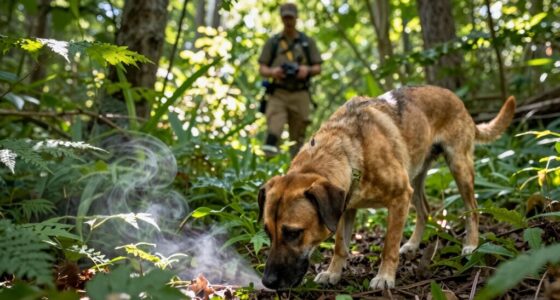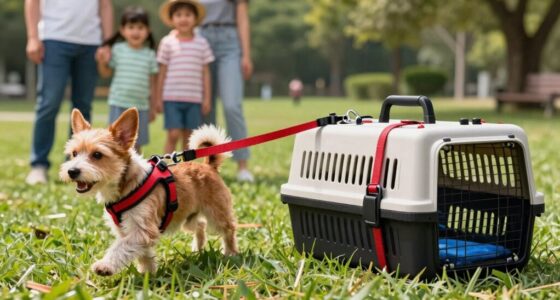

During emergencies, you might notice your pet losing sleep before any obvious behavior changes. They could wake frequently, have trouble settling, or sleep less overall. You might see increased alertness or restlessness at night, which are early signs of rising stress. Recognizing these subtle sleep disturbances helps you understand their anxiety level. Paying attention now can prevent bigger issues later—keep going to learn how you can help your pet through stressful times.

Get garden gear delivered free with Prime
- Fast, free delivery on millions of items
- Prime Video, Amazon Music and more included
- Member-only deals all year
Key Takeaways
- Pets may exhibit increased alertness and restlessness during nighttime, signaling early stress before overt behavior changes.
- Disrupted sleep patterns, such as frequent waking or difficulty settling, are initial signs of pet stress.
- Reduced total sleep duration can indicate heightened anxiety preceding behavioral issues.
- Subtle shifts like tossing and turning or seeking reassurance suggest underlying stress before visible behaviors appear.
- Recognizing early sleep disturbances allows for timely intervention to prevent escalation of anxiety.
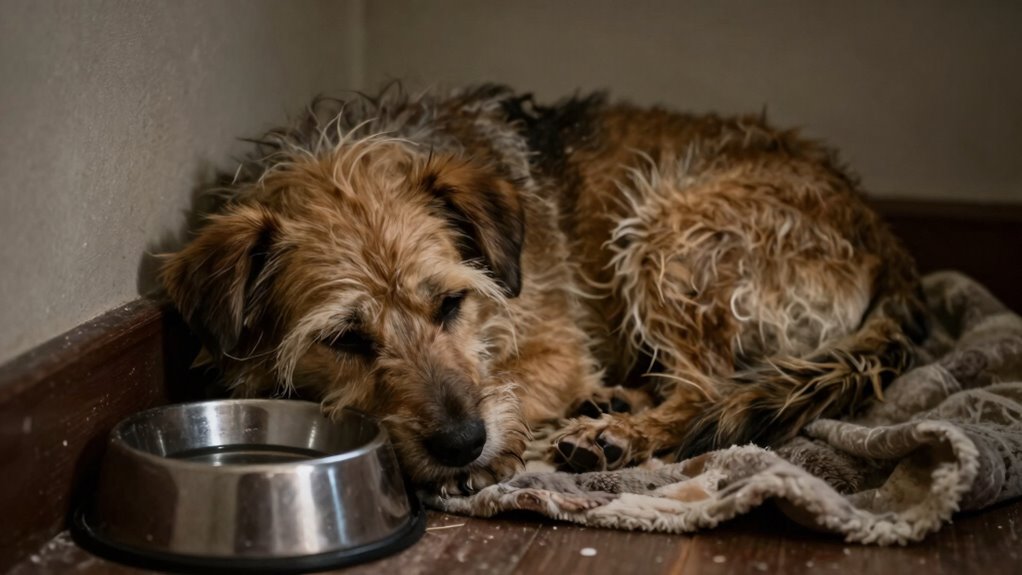
Have you ever noticed how pets often become restless or anxious during emergencies? It’s a common sign that your furry friend is feeling overwhelmed, even before you see obvious behavior changes. Understanding these early signals can be essential for effective emergency preparedness, as pet anxiety often manifests in subtle ways before more noticeable issues arise. When disaster strikes or even during stressful situations like thunderstorms or fireworks, your pet’s sleep patterns can be disrupted. They might wake up frequently, seem unusually alert, or have trouble settling down at night. These early signs of sleep loss aren’t just about fatigue—they reflect deeper stress and anxiety that can develop into more serious behavioral issues if not addressed.
Pets often show early signs of stress through disrupted sleep during emergencies and loud events.
During emergencies, your pet’s body reacts to heightened stress levels. Elevated cortisol, the stress hormone, can interfere with their ability to relax and get restful sleep. You might observe your pet pacing more, hiding, or seeking extra reassurance. These are clear indicators of pet anxiety, often linked to changes in their environment or routine. But the first clue is often a noticeable change in sleep habits—waking up more often, restless tossing and turning, or sleeping less overall. Recognizing these signs early gives you a chance to act and help your pet cope with the situation more effectively. Pet sleep loss can serve as an important indicator of their emotional state, alerting you to intervene before more serious issues develop.
Understanding how animal stress responses manifest can help you better interpret your pet’s behavior during emergencies and tailor your response accordingly. Emergency preparedness isn’t just about having supplies packed or a plan in place; it’s also about understanding your pet’s emotional needs. When you notice sleep disturbances, it’s a sign that your pet is feeling insecure or frightened. You can help by creating a safe space, maintaining some semblance of their normal routine, and offering comfort. Using calming techniques—like gentle petting, soft music, or pheromone diffusers—can ease pet anxiety. Keeping a familiar blanket or toy nearby can also provide comfort and help regulate their stress levels, which in turn can improve their sleep. Recognizing and addressing these subtle signals early can significantly reduce the risk of your pet developing behavioral issues.
It’s important to remember that sleep loss isn’t just a minor inconvenience—it’s a warning sign. When your pet isn’t sleeping well, it indicates that their stress levels are high, and they’re struggling to cope. Acting early by recognizing these signs enables you to intervene, reducing their anxiety and supporting their well-being during difficult times. Paying attention to early stress indicators can make a substantial difference in how your pet manages during crises. Being attentive to these subtle changes in sleep behavior is a fundamental part of emergency preparedness, ensuring your pet feels as safe and secure as possible, even when chaos surrounds you.
Popular right now

Dyson Cyclone V10 Origin Cordless Vacuum

Ninja Foodi 10-Qt DualZone Smart XL Air Fryer, 6-in-1, DZ550

eufy E25 Robot Vacuum and Mop Combo with HydroJet Roller Mop
As an affiliate, we earn on qualifying purchases.
Frequently Asked Questions
How Long Can Pets Survive Without Sleep During Emergencies?
In emergencies, your pet can typically survive about 24-72 hours without sleep, but prolonged sleep deprivation leads to stress, weakened immunity, and behavioral issues. During emergency preparedness, prioritize your pet’s rest by creating safe, quiet spaces. Lack of sleep signals your pet’s distress early, so monitor for signs. Ensuring they get enough rest helps maintain their health and resilience during stressful situations.
Are Certain Breeds More Prone to Sleep Loss in Crises?
Some breeds are way more prone to sleep loss in crises, almost like they’re built for resilience or vulnerability. Breeds with high energy and sensitive temperaments, like herding or toy breeds, tend to be sleep vulnerable, reacting strongly to stress. Conversely, hardy breeds like retrievers or bulldogs exhibit greater resilience. Knowing your pet’s breed traits helps you anticipate sleep disruptions and manage their stress better during emergencies.
Can Pet Sleep Deprivation Lead to Long-Term Health Issues?
Yes, pet sleep deprivation can lead to long-term health issues. Poor sleep impacts their immune system, increasing vulnerability to illnesses. The diet impact also plays a role—poor nutrition can worsen sleep deprivation effects. When your pet doesn’t get enough rest, their body struggles to recover, which may cause chronic problems like anxiety or obesity. Ensuring they have a healthy diet and enough restful sleep helps prevent these long-term health concerns.
How Does Sleep Loss Affect a Pet’s Emergency Behavior?
You notice your pet’s eyes darting, ears twitching, as stress responses heighten from sleep loss. This fatigue fuels behavioral changes, making them more anxious or aggressive during emergencies. Sleep deprivation weakens their ability to stay calm and focused, increasing the risk of panic or misjudged reactions. By understanding this link, you can better support your pet, ensuring they stay resilient and responsive when it matters most.
What Are Immediate Signs of Severe Sleep Deprivation in Pets?
You’ll notice severe sleep deprivation in your pet through behavioral changes like increased irritability, restlessness, or excessive vocalization. Physical symptoms may include pawing at the eyes, trembling, or unsteady gait. These signs indicate your pet isn’t getting enough rest, which can escalate into more serious health issues. Keep a close eye on their behavior and physical condition, and seek veterinary advice if these symptoms persist or worsen.
Conclusion
Remember, noticing changes in your pet’s sleep patterns is like catching the first signs of a storm—early detection can prevent bigger issues. When your pet’s sleep becomes irregular or disrupted, it’s a clear signal that stress or discomfort might be lurking. By paying close attention now, you can address their needs before behavior changes become more noticeable. Just as a calm before the storm is essential, early awareness helps keep your pet safe and secure during emergencies.