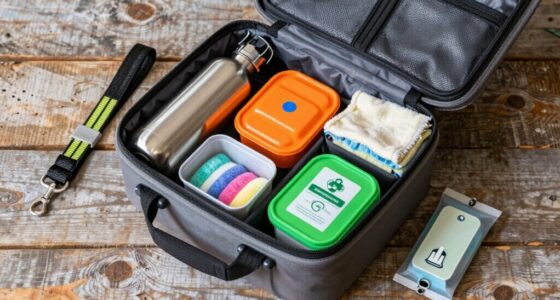

To determine how much emergency food your dog or cat needs, consider their size, age, and activity level. A typical adult dog requires about 1 to 2 cups of dry food daily, while cats usually need ½ to 1 cup. Plan for at least a two-week supply per pet, but longer is better for extended emergencies. Keep track of expiry dates and regularly check your supplies—more tips on ensuring your pets stay well-fed come next.

Get garden gear delivered free with Prime
- Fast, free delivery on millions of items
- Prime Video, Amazon Music and more included
- Member-only deals all year
Key Takeaways
- Calculate your pet’s daily caloric needs based on age, weight, and activity level to determine appropriate food quantity.
- Store at least a 2-week supply for dogs and cats, adjusting for their specific size and health requirements.
- Rotate stored food regularly to ensure freshness and prevent spoilage or pest infestation.
- Consider the pet’s preferences and dietary restrictions when estimating emergency food amounts.
- Keep detailed inventory to monitor expiration dates and ensure adequate supplies during emergencies.

When considering emergency meal planning, choose a variety of pet foods that suit your pet’s preferences and health needs. This could include dry kibble, canned foods, or even some freeze-dried options. Rotating different types of pet food can also help prevent spoilage and ensure your pet doesn’t get bored of their emergency supplies. Store your pet food in airtight, durable containers to protect it from moisture, pests, and spoilage. Label everything clearly with purchase or expiration dates so you can rotate stock and use older supplies first. Understanding nutritional requirements can help you better tailor your supplies to your pet’s needs in a crisis. Being aware of food storage techniques is essential for maintaining freshness and safety over time. Additionally, familiarizing yourself with safe storage temperatures can further extend the shelf life of your emergency supplies. Regularly inspecting your stored pet food for signs of spoilage or pests is also a crucial part of proper storage practices. Ultimately, knowing how much emergency food your dog or cat needs hinges on thoughtful planning and understanding their unique requirements. By carefully calculating how long you need supplies, choosing the right types of pet food, and storing it properly, you create a reliable safety net for your furry friend. This way, you’re not just prepared—you’re confidently ready to handle any crisis, ensuring your pet’s health and comfort even when resources are scarce.
As an affiliate, we earn on qualifying purchases.
Frequently Asked Questions
How Long Can My Pet Survive Without Food During an Emergency?
Your pet can survive about three to five days without food during an emergency, but pet hydration is essential—make certain they have access to clean water. Food expiration matters because expired pet food may lose nutrients or become unsafe. To guarantee your pet’s safety, store fresh, unexpired emergency food and check it regularly. Keeping your pet hydrated and fed during emergencies helps prevent health issues and keeps them more resilient.
Should Emergency Food Be Different From Their Regular Diet?
You might think emergency food should be a gourmet version of their usual diet, but nope—stick to consistency. Emergency food should match your pet’s regular diet to avoid digestive drama, with minimal nutritional differences. Think of it as serving their favorite meal, just in a backup package. Keep the diet consistent to prevent upset stomachs and guarantee they get essential nutrients, even during chaos. After all, your pet’s health isn’t the time for culinary experiments.
How Often Should I Rotate Emergency Food Supplies?
You should rotate your pet’s emergency food supplies every 6 to 12 months to guarantee freshness and nutritional balance. Check the shelf life on the packaging regularly, and replace expired items promptly. Rotating your supplies keeps the food fresh and maintains its nutritional value, so your pet gets the necessary nutrients during emergencies. This routine also helps you spot any damage or spoilage early, ensuring your pet’s safety.
Can Emergency Food Cause Allergies in Pets?
Emergency food can cause allergies in pets if it contains ingredients they’re sensitive to. Watch for allergy symptoms like itching, swelling, or stomach upset. To prevent this, always check ingredient safety labels carefully. If your pet shows signs of allergies, stop feeding the emergency food and consult your vet. Choosing products with limited, high-quality ingredients reduces allergy risks and helps keep your pet safe during emergencies.
What’s the Best Storage Method for Long-Term Emergency Pet Food?
Did you know that properly stored pet food can last up to 10 years? To keep emergency pet food fresh, use airtight storage containers that block light and moisture. Avoid direct sunlight and extreme temperatures. Pet food packaging is often resealable, but transferring to durable storage containers provides better protection. Regularly check for signs of spoilage, and store in a cool, dry place for best long-term preservation.
cat emergency food storage containers
As an affiliate, we earn on qualifying purchases.
As an affiliate, we earn on qualifying purchases.
Conclusion
Knowing how much emergency food your dog or cat needs is like having a safety net woven just for them. It guarantees they’re fed and secure during unexpected times, preventing hunger from sneaking up like a thief in the night. Keep their portion sizes in check, and you’ll be the steady anchor in their stormy seas. With proper planning, you’ll navigate any crisis with confidence, knowing your furry friend’s needs are always covered.
pet freeze-dried emergency meals
As an affiliate, we earn on qualifying purchases.
As an affiliate, we earn on qualifying purchases.
As an affiliate, we earn on qualifying purchases.
Fall yard work Picks
leaf blowers
As an affiliate, we earn on qualifying purchases.