
Your dog’s paws face different threats on sand, ice, and sharp ground. Hot or coarse sand can irritate or abrasively damage paw pads, needing lightweight, breathable boots. Cold surfaces and icy patches threaten frostbite and slip hazards, so insulated, non-slip boots are best. Sharp terrain like rocks or construction sites can puncture or tear paws, requiring rugged, puncture-resistant footwear. Knowing these differences helps you choose the right protection—continue exploring how to keep your dog safe across all surfaces.

Get garden gear delivered free with Prime
- Fast, free delivery on millions of items
- Prime Video, Amazon Music and more included
- Member-only deals all year
Key Takeaways
- Different surfaces require specialized paw protection materials to address unique challenges like abrasiveness, cold, or sharp objects.
- Sand can cause irritation and abrasions, needing breathable, lightweight boots for comfort.
- Ice increases risk of frostbite and slipping, best suited with insulated, non-slip footwear.
- Sharp ground can puncture paws; rugged, puncture-resistant gear offers necessary protection.
- Regular paw inspections and surface-specific gear ensure safety and early issue detection.
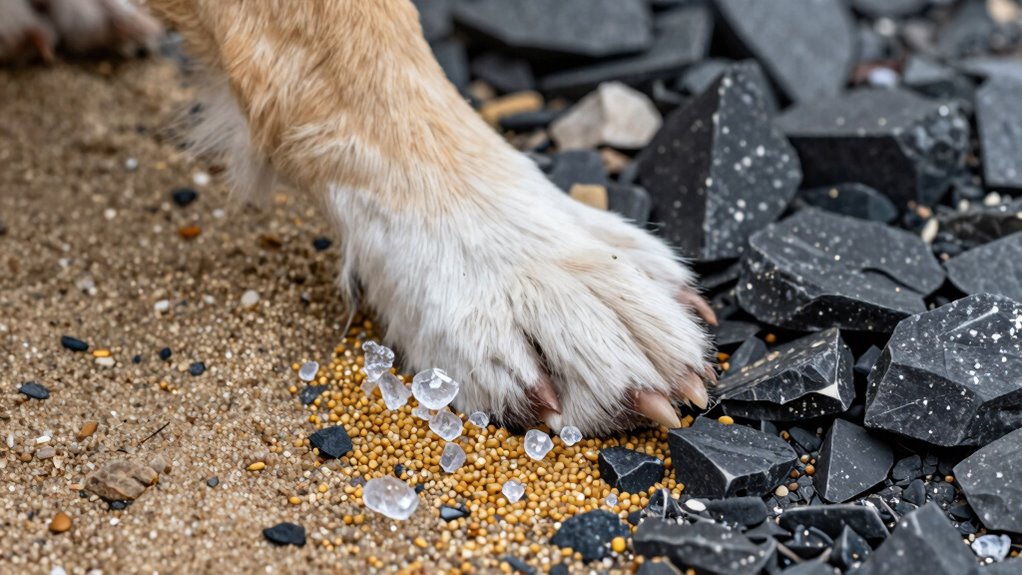
Your dog’s paws are their primary connection to the world, so protecting them is vital for their comfort and well-being. Different surfaces challenge paw health in unique ways, and understanding these differences helps you choose the right protection. Sand can be surprisingly abrasive, especially when it’s hot or coarse. Your dog’s paw pads are designed to withstand some wear, but prolonged exposure to rough sand can cause irritation or minor abrasions. If your pup loves the beach or sandy trails, you might notice redness or discomfort after walks. To minimize damage, consider boots made from lightweight, breathable materials that shield paw pads without restricting movement. These protective boot materials should be soft enough to prevent chafing and durable enough to withstand the grit and friction of sand. Recognizing the importance of surface-specific protection helps ensure your dog’s paws remain healthy in various environments. Properly assessing paw pad sensitivity is crucial in selecting the most suitable protective gear. Understanding the different protective materials available can help you make better choices for your dog’s safety. Being aware of paw health indicators can help you catch issues early before they develop into more serious problems. Regularly inspecting your dog’s paws and understanding surface-specific risks can guide you in providing targeted protection. Ice presents a different set of challenges. Cold surfaces can cause frostbite and increase paw pad sensitivity, leading to cracking or bleeding. Ice is often slick, increasing the risk of slips and injuries. When walking on ice, your goal is to prevent your dog from slipping and protect their paws from the cold. Choose boots with non-slip soles and insulating layers, often made from waterproof and thick, padded materials. These guard against the cold while providing traction, reducing the chances of slips and frostbite damage. Always check your dog’s paws after walks on icy surfaces for signs of redness or cracking. Sharp ground, such as rocky trails or construction sites, is the most aggressive environment for paws. Sharp stones or debris can puncture or tear paw pads, leading to infections or pain. For these conditions, you need boots with tough, puncture-resistant soles and sturdy, protective uppers. The materials should be rugged yet comfortable, providing a barrier against sharp objects while maintaining flexibility for natural movement. Regularly inspecting your dog’s paws after walks on sharp terrain is vital, as even tiny cuts can become problematic if left untreated. In all cases, selecting the right protective gear depends on understanding the surface your dog encounters. Not all boots are equal—materials matter immensely. Lightweight, breathable fabrics are great for sand, insulation and non-slip soles suit ice, and rugged, puncture-resistant materials are essential for sharp ground. Paying attention to paw pad sensitivity and choosing appropriate protective boot materials guarantees your dog stays comfortable, safe, and ready for adventure, regardless of where they walk.
dog protective boots for sand and hot surfaces
As an affiliate, we earn on qualifying purchases.
As an affiliate, we earn on qualifying purchases.
Frequently Asked Questions
How Often Should I Trim My Dog’s Paw Hair?
You should trim your dog’s paw hair every four to six weeks for proper paw hair maintenance. Seasonal trimming tips are especially important—trim more frequently in winter to prevent ice buildup and in summer to keep debris away. Regular trims help prevent matting, irritation, and discomfort, ensuring your dog stays comfortable and safe during walks. Keep an eye on their paw hair and adjust the frequency as needed for your dog’s activity level and environment.
Are Paw Waxes Safe for All Dogs?
Paw waxes are generally safe for most dogs when used correctly, but paw wax safety can vary based on your dog’s skin sensitivity and allergies. Always choose a high-quality product designed for dog paw protection, and avoid applying too much. If your dog has sensitive skin or shows signs of irritation, consult your veterinarian. Regularly check your dog’s paws for any adverse reactions to guarantee safe and effective paw wax use.
Can I Use Human Lotion on My Dog’s Paws?
Using human lotion on your dog’s paws is like putting a suit of armor that doesn’t fit; it can cause irritation or harm. Instead, opt for a dog paw moisturizer designed for paw pad protection. These products are safe and formulated to nourish and protect sensitive paw pads without risking allergic reactions. Always choose pet-specific products to guarantee your furry friend’s paws stay healthy and comfortable during all walks.
How Do I Check for Paw Injuries?
To check for paw injuries, gently lift your dog’s paw and look for signs of paw pad sensitivity, swelling, cuts, or foreign objects. Feel for any abnormal warmth or pain when touching the pads. Injury prevention tips include regularly inspecting paws after walks, keeping nails trimmed, and avoiding harsh surfaces. If you notice bleeding, swelling, or persistent pain, consult your vet promptly to guarantee proper treatment and prevent further damage.
What’s the Best Way to Clean Muddy Paws?
Did you know dogs walk an average of 12,000 to 15,000 steps daily? To clean muddy paws, start with a damp cloth or rinse with lukewarm water, focusing on mud between paw pads. Muddy paw cleaning also involves paw hair trimming to prevent dirt buildup. Be gentle, and dry your dog’s paws thoroughly afterward to keep their skin healthy and free from irritation.
insulated non-slip dog boots for ice and snow
As an affiliate, we earn on qualifying purchases.
As an affiliate, we earn on qualifying purchases.
Conclusion
Remember, your dog’s paws face different dangers from sand, ice, and sharp ground—each requires specific care. Did you know that over 80% of paw injuries happen during outdoor activities? By understanding these differences and taking simple precautions, you can protect your furry friend’s paws and keep them safe and comfortable. Always check their paws after walks, and consider paw protection products to prevent injuries. Your dog’s well-being depends on your awareness and care!
rugged puncture-resistant dog paw boots
As an affiliate, we earn on qualifying purchases.
As an affiliate, we earn on qualifying purchases.
breathable lightweight dog shoes for outdoor walks
As an affiliate, we earn on qualifying purchases.
As an affiliate, we earn on qualifying purchases.
Halloween Picks
halloween
As an affiliate, we earn on qualifying purchases.