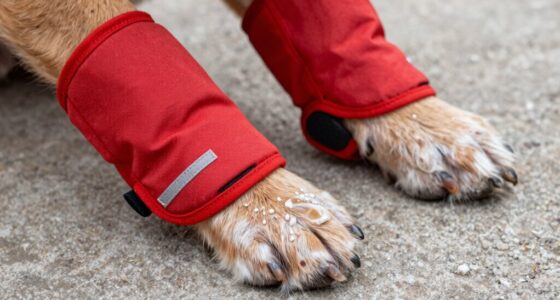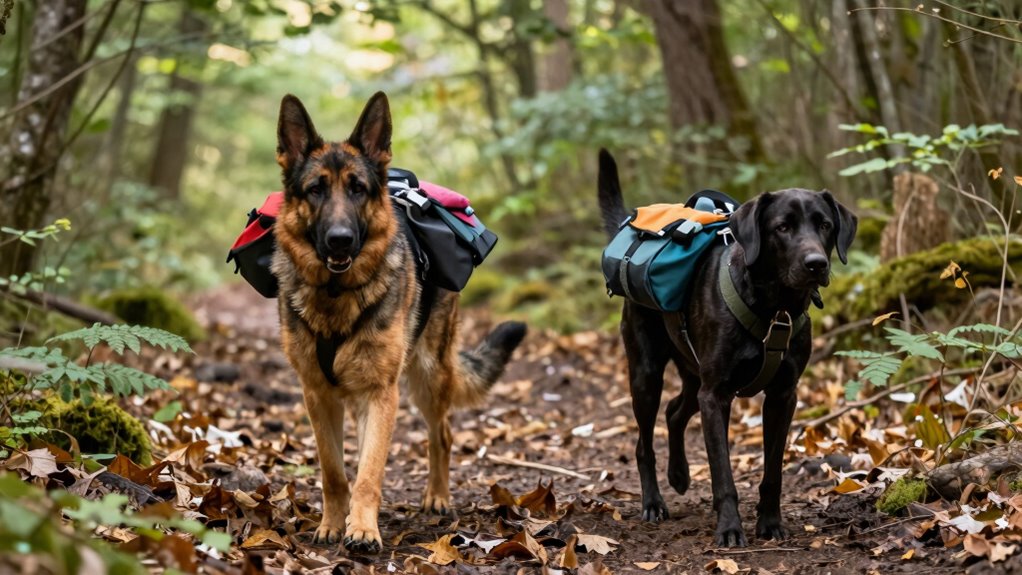

When packing your dog for trail adventures, avoid exceeding 10-20% of its body weight to guarantee comfort and safety. Distribute weight evenly and adjust based on your dog’s size and stamina. Too much weight can cause fatigue, gait issues, or injuries. Keep an eye on your dog for signs of discomfort or exhaustion, and be ready to lighten the load or take breaks. To learn more about safe trail packing, keep exploring these essential tips.

Get garden gear delivered free — and shop member deals
- Fast, free delivery on millions of items
- Access to Prime Big Deal Days deals on October 6–7
- Prime Video, Amazon Music and more included
Key Takeaways
- Keep pack weight between 10-20% of the dog’s body weight to prevent strain and injury.
- Distribute weight evenly to maintain balance and avoid gait issues.
- Monitor your dog for signs of discomfort, fatigue, or overheating during hikes.
- Proper pack fit and snug straps prevent chafing and restrict movement.
- Adjust load and take breaks if your dog shows signs of overexertion or distress.
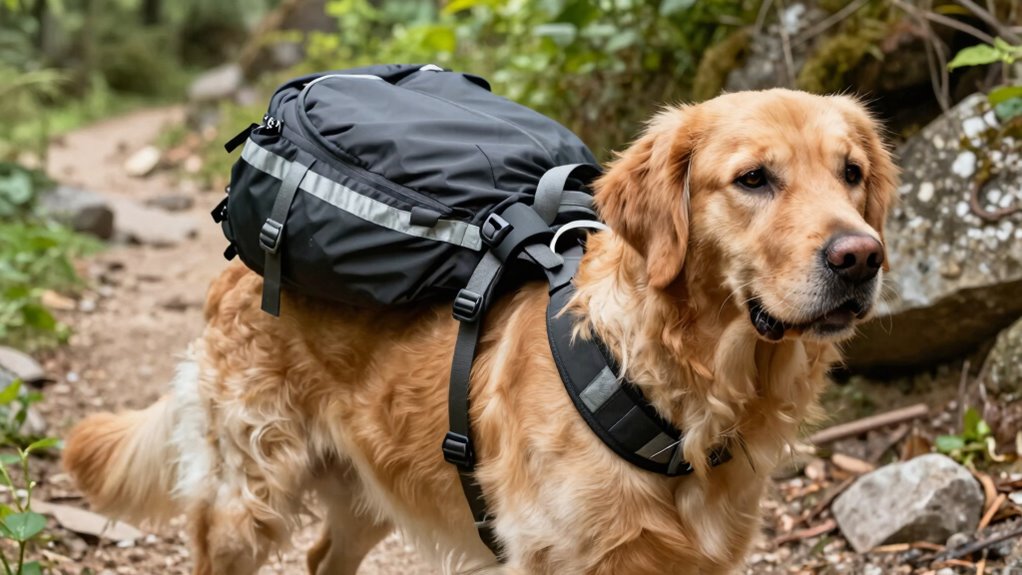
Carrying a dog pack can be a great way to extend your trail adventures, but knowing how much weight your furry friend can handle is essential for their safety and comfort. Overloading your dog can lead to fatigue, injury, or even long-term health issues. To keep your trail buddy happy and healthy, you need to understand their limits and apply proper pack fitting techniques. One of the most important aspects to contemplate is hydration strategies. Dogs lose water quickly when they’re exerting themselves, especially in warm or high-altitude environments. Make sure your dog has easy access to water during the hike, either through a built-in hydration bladder in the pack or by carrying a portable bowl. Regularly offering water prevents dehydration and helps your dog maintain energy levels. Keep an eye on signs of dehydration, such as excessive panting, drooling, or lethargy, and be prepared to adjust your pace or rest as needed. Proper pack fitting techniques are crucial to prevent discomfort and injury. When it comes to pack fitting techniques, a snug but comfortable fit is key. Your dog’s pack should sit high on their shoulders, distributing weight evenly across their back and chest. Avoid straps that are too tight, which can restrict movement or cause chafing, or too loose, which can shift and create imbalance. Adjust the straps so that the pack feels secure but not constrictive. You should be able to fit two fingers between the straps and your dog’s body comfortably. Proper pack fitting not only enhances comfort but also helps your dog carry weight more efficiently, reducing fatigue and strain on their muscles. Additionally, weight distribution plays a significant role in preventing discomfort and ensuring your dog can carry their load effectively. As a general rule, avoid packing more than 10-20% of your dog’s body weight. For example, if your dog weighs 50 pounds, the total weight of gear and supplies should stay between 5 and 10 pounds. When packing, distribute the weight evenly on both sides to prevent imbalance, which can cause discomfort or gait issues. It’s also important to start with lighter loads on shorter hikes to observe how your dog handles the extra weight. Monitor their behavior closely; if they start to lag behind, show signs of discomfort, or pant excessively, it’s time to lighten the load or give them a break. Being aware of your dog’s physical capabilities ensures you can set realistic limits and keep your trail companion safe.
dog hiking pack with hydration bladder
As an affiliate, we earn on qualifying purchases.
As an affiliate, we earn on qualifying purchases.
Frequently Asked Questions
How Often Should I Train My Dog to Carry a Pack?
You should train your dog to carry a pack gradually, starting with short sessions a few times a week. Focus on the right pack weight, keeping it around 10-15% of your dog’s body weight. Increase training frequency as they get comfortable, but always observe their behavior and health. Consistent, gentle training helps your dog build strength and confidence without overexertion or injury.
Are There Specific Breeds Best Suited for Dog Packs?
Certain breeds are better suited for dog packs due to breed suitability and pack preferences. Working breeds like Siberian Huskies, Malamutes, and Border Collies excel because of their strength, stamina, and natural pack instincts. Smaller or brachycephalic breeds might struggle or be less comfortable carrying weight. Always consider your dog’s size, health, and temperament to guarantee they enjoy the experience without overexertion or discomfort.
What Are Signs My Dog Is Overexerted With a Pack?
Ever wonder if your dog’s struggling during a hike? You’ll notice overexertion signs like excessive panting, lagging behind, or visible fatigue. Pack safety is essential, so monitor your pup closely. If they seem unusually tired, droopy, or have difficulty breathing, it’s time to lighten their load or take a break. Recognizing these signs helps prevent injury and keeps your adventure safe and enjoyable for both of you.
How Do I Properly Fit a Dog Pack for Comfort?
To properly fit a dog pack for comfort, start with proper fit techniques by measuring your dog’s girth and length. Adjust the pack’s straps so it sits snugly without pinching or causing discomfort. Remember to adjust pack weight gradually, ensuring it’s balanced on both sides. Check that the pack doesn’t shift during movement, and make sure your dog can walk comfortably without restrictions. Regularly reassess the fit during hikes for maximum comfort.
Can Carrying a Pack Improve My Dog’s Fitness?
Carrying a pack can genuinely boost your dog’s fitness when used correctly, but it’s vital to start slow and use proper training techniques. A well-fitted pack with appropriate pack accessories encourages muscle development and stamina. You might see your dog become more energetic and stronger over time. Just guarantee the weight isn’t too heavy, and always monitor for signs of fatigue, making the experience safe and rewarding for both of you.
adjustable dog backpack for trail
As an affiliate, we earn on qualifying purchases.
As an affiliate, we earn on qualifying purchases.
Conclusion
Remember, your dog’s comfort is the compass guiding your trail journey. Overloading their pack is like trying to carry a mountain on their back—it can weigh them down and dim their spirit. Keep the load light and manageable, like a gentle breeze guiding you forward. When you respect your pup’s limits, you’re not just sharing the trail—you’re nurturing trust and adventure. After all, a happy, balanced dog makes every hike a story worth telling.
dog pack weight distribution harness
As an affiliate, we earn on qualifying purchases.
As an affiliate, we earn on qualifying purchases.
As an affiliate, we earn on qualifying purchases.
Fall Picks
fall essentials
As an affiliate, we earn on qualifying purchases.