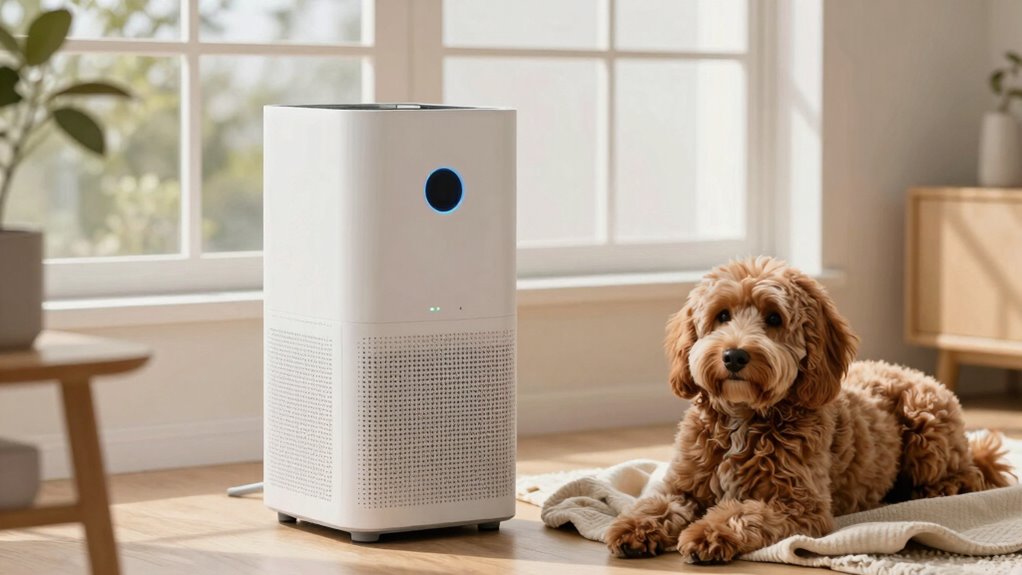
Using air purifiers in shared shelter spaces is a smart way to reduce pet dander and improve air quality. Position them correctly in high-traffic or pet-heavy zones and replace filters regularly to keep them effective. Combining purifiers with cleaning routines, such as vacuuming with HEPA filters and laundering fabrics, can make a big difference. If you want to explore more proven strategies for allergen control and shelter hygiene, keep exploring effective solutions.

Get garden gear delivered free with Prime
- Fast, free delivery on millions of items
- Prime Video, Amazon Music and more included
- Member-only deals all year
Key Takeaways
- Air purifiers with HEPA filters effectively reduce airborne pet dander in shared shelter spaces.
- Proper placement of purifiers in high-traffic or pet areas maximizes allergen removal.
- Regular filter maintenance ensures sustained air purifier efficiency in controlling pet dander.
- Combined cleaning routines and filtration systems lower overall allergen levels in shelter environments.
- Staff training on sanitation and device use enhances pet dander management in shared spaces.
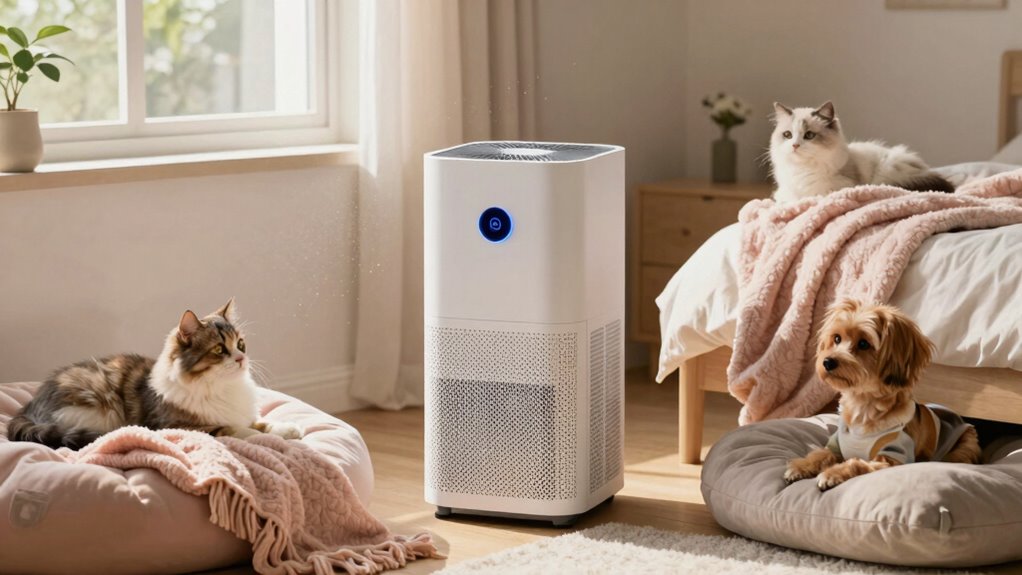
Have you ever wondered how shared shelter spaces manage the challenge of pet dander? It’s a common concern, especially since pet dander can trigger allergies or asthma in many individuals. The key lies in effective indoor allergen control, which involves a combination of strategies designed to minimize airborne allergens and maintain a safe environment for everyone. One of the most essential tools in this effort is the use of air purifiers. These devices work by pulling air through filters that trap tiny particles like pet dander, dust mites, and other allergens, preventing them from circulating freely. When used properly, air purifiers can considerably reduce the concentration of airborne allergens, making the shelter safer and more comfortable for both residents and staff.
But air purifiers aren’t a standalone solution. Shelter sanitation strategies play a vital role in managing pet dander. Regular cleaning routines, including vacuuming with HEPA filters, wiping down surfaces, and laundering bedding and fabrics, help remove dander that settles on surfaces. This ongoing cleaning reduces the overall allergen load in the environment, complementing the air filtration process. Additionally, establishing designated pet areas or limiting pet access to certain zones can further control the spread of dander, ensuring that allergen levels stay manageable in common spaces. Implementing air filtration systems that are properly maintained can further enhance allergen reduction efforts. Maintaining proper air circulation can also prevent the buildup of allergens in enclosed spaces. Using effective filtration techniques ensures that airborne particles are captured efficiently, improving indoor air quality. Regular maintenance of these systems is crucial because filter replacement ensures their continued effectiveness in capturing allergens. Moreover, understanding the importance of indoor air quality helps in developing a comprehensive approach to allergen management.
Incorporating these measures requires a proactive approach. You want to regularly check and maintain your air purifiers, replacing filters as recommended by the manufacturer. Proper placement of these devices is also critical — positioning them in high-traffic or pet-heavy areas maximizes their effectiveness. Equally important is training staff on the importance of shelter sanitation strategies. They should be aware of how to clean thoroughly, what products to use, and how to handle pet-related cleanup without dispersing allergens into the air. It’s also beneficial to communicate with shelter residents about policies on pet access and cleanliness routines, helping everyone understand their role in minimizing allergen levels.
Ultimately, managing pet dander in shared shelter spaces demands a all-encompassing approach that combines indoor allergen control with consistent sanitation strategies. Air purifiers serve as a frontline defense, but they work best when integrated into a broader plan that includes diligent cleaning and thoughtful pet management. By staying vigilant and maintaining these practices, you create a safer environment where both pets and people can coexist comfortably, reducing allergy symptoms and improving overall health in your shelter.
HEPA air purifier for pet dander
As an affiliate, we earn on qualifying purchases.
As an affiliate, we earn on qualifying purchases.
Frequently Asked Questions
Do Air Purifiers Eliminate All Types of Pet Dander?
Air purifiers don’t eliminate all types of pet allergen, but they substantially reduce airborne pet dander, aiding allergy mitigation. HEPA filters are especially effective at capturing tiny pet allergen particles, helping you breathe easier. However, they won’t remove pet dander from surfaces or prevent new allergen particles from being released. To best manage pet allergen exposure, combine air purifiers with regular cleaning and pet management strategies.
How Often Should Air Filters Be Replaced in Shared Spaces?
Think of your air filter as a guardian standing watch, protecting your space. You should replace filters every 3 to 6 months, depending on usage and pet presence. Regular filter maintenance keeps the air fresh and safe. Keep an eye on signs like reduced airflow or increased odors, which suggest it’s time for a replacement. Staying attentive guarantees your shared shelter remains a healthy haven for everyone.
Are There Specific Air Purifiers Recommended for Shelters?
For shelter air quality and pet allergy management, choose air purifiers with HEPA filters proven to trap pet dander effectively. Brands like Winix, Coway, or Rabbit Air are recommended for their high filtration standards. You should select models suitable for the room size and guarantee they have features like adjustable fan speeds and quiet operation. Regular maintenance and filter replacements are essential to keep the air pure and safe for both pets and humans.
Can Air Purifiers Help Reduce Shelter Staff Allergies?
Yes, air purifiers can help reduce your shelter staff allergies by improving allergy management. They filter out pet dander and other allergens, making the air cleaner and safer. While the effectiveness depends on the purifier’s quality and maintenance, choosing models with HEPA filters can substantially enhance air purification effectiveness. Regular use, along with other allergy management strategies, helps create a healthier environment for staff and animals alike.
What Is the Best Placement for Air Purifiers in Shelters?
You might think the best spot is right where the pet activity is highest, but ironically, placing air purifiers in low-traffic areas guarantees better air circulation and reduces noise levels. Position them near entry points or common areas to maximize effectiveness without disturbing staff or pets. Proper placement minimizes stagnant air, improves overall air quality, and creates a calmer environment—something everyone in the shelter will appreciate, even if they don’t realize it.
air purifier with replaceable filters
As an affiliate, we earn on qualifying purchases.
As an affiliate, we earn on qualifying purchases.
Conclusion
As you walk through the shared shelter space, imagine the air you breathe—clean, fresh, and free of pet dander. With air purifiers working quietly in the background, you feel the difference in every breath, a gentle shield against allergens. It’s more than just equipment; it’s a promise of comfort and care for every person and pet. Together, you create a safer, healthier sanctuary where everyone can truly feel at home.
As an affiliate, we earn on qualifying purchases.
air purifier for shared shelter spaces
As an affiliate, we earn on qualifying purchases.
As an affiliate, we earn on qualifying purchases.
Halloween Picks
halloween
As an affiliate, we earn on qualifying purchases.