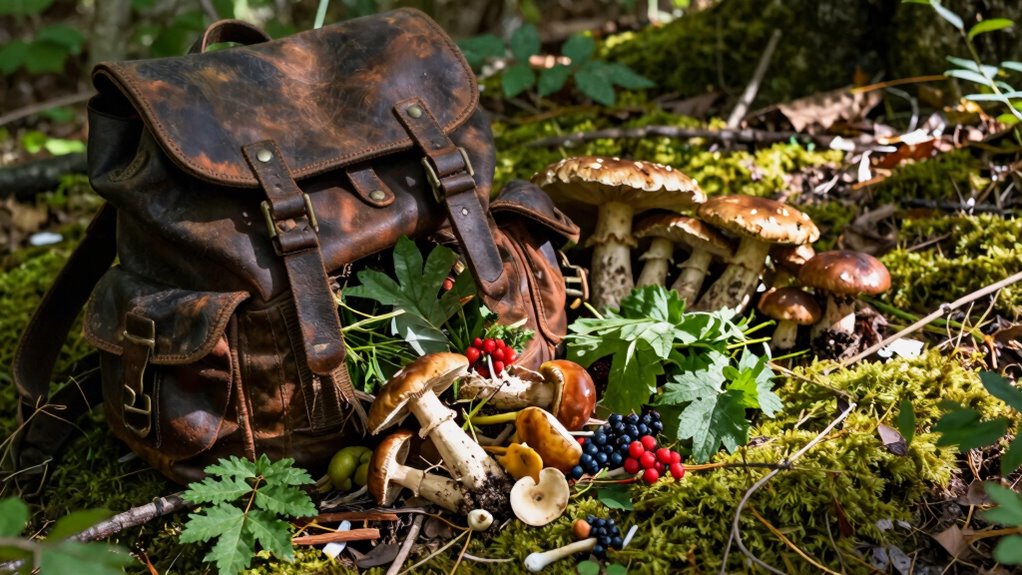

The biggest mistake you can make when sorting wild food is mixing edible and toxic plants in a single bag. This confusion can lead to misidentification, cross-contamination, and risky ingestions. Small errors in sorting may cause serious health issues. Keeping different species separate simplifies identification, reduces health risks, and makes cleanup easier. If you want to avoid dangerous mistakes and improve your foraging process, you’ll find useful tips if you keep going.

Get garden gear delivered free with Prime
- Fast, free delivery on millions of items
- Prime Video, Amazon Music and more included
- Member-only deals all year
Key Takeaways
- Using a single bag for all wild foods increases the risk of cross-contamination and accidental ingestion of toxic plants.
- Mixing different species hampers accurate identification and makes distinguishing safe from harmful plants more difficult.
- Combining finds without separation complicates quality assessment and delays detection of damaged or spoiled items.
- Single-bag storage complicates cleaning and handling, risking spread of pests or diseases among plant types.
- Not sorting during foraging reduces safety, increases errors, and makes subsequent processing more challenging.
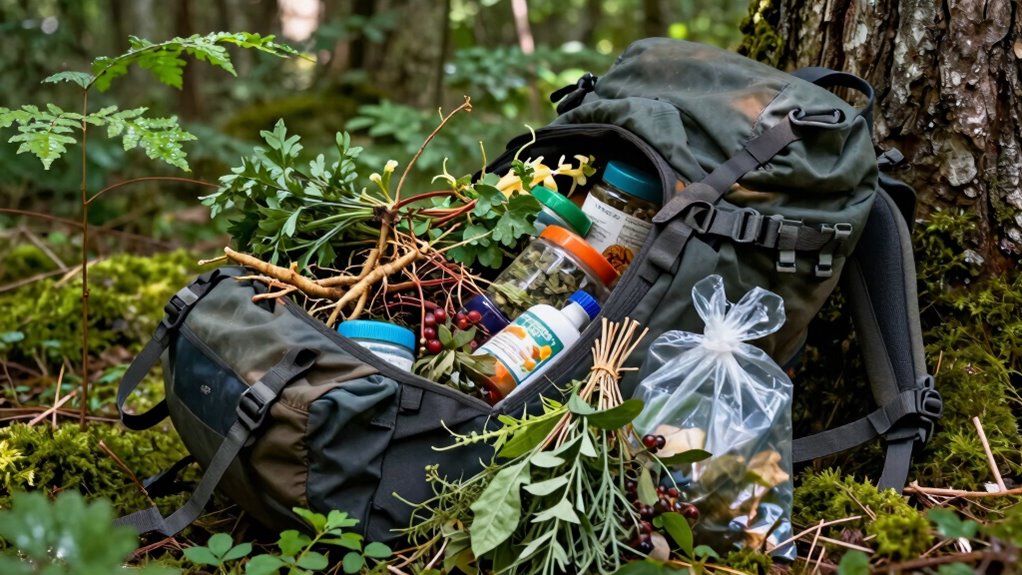
Sorting wild food can be a rewarding experience, but many foragers make a common mistake that can compromise safety and quality: trying to organize everything into one bag. When you toss your finds into a single container, it becomes harder to keep track of what’s edible and what’s not. This mistake can lead to confusion, especially when you’re out in the field, trying to remember which plants are safe to eat and which are potentially harmful. Proper foraging safety depends heavily on clear edible identification, and mixing different species together can make it difficult to distinguish them once you’re back home or even during your outing.
Mixing wild foods in one bag risks confusion, safety issues, and difficulty identifying edible versus harmful plants.
Additionally, species separation helps prevent cross-contamination and makes it easier to identify and handle each type properly. When all your wild foods are jumbled together, you run the risk of cross-contamination. For example, if you’ve foraged both edible berries and toxic mushrooms, mixing them increases the chance of accidental ingestion. Even small mistakes in edible identification can have serious consequences, so keeping your finds separated helps you avoid confusion. It’s easy to forget which item is which when everything is in one bag, especially if you’re collecting multiple types of plants, fungi, or roots. By sorting your finds into separate containers or sections, you can quickly verify each before further processing or consumption, reducing the risk of misidentification.
Another problem with one-bag sorting is that it hampers your ability to assess the quality of your wild foods. You might end up with rotten or damaged items mixed in with fresh ones, which can spoil the entire batch or lead to consuming unsafe food. Separating your finds as you go allows you to pick out the best specimens and discard anything that’s compromised. This approach enhances foraging safety because you’re actively evaluating each item’s condition, preventing potential health issues. Moreover, proper storage techniques are essential to maintain the freshness and safety of your harvest over time.
Additionally, sorting into multiple bags makes cleaning and storage more manageable. You can designate specific bags for different species or parts of plants, which simplifies your post-foraging process. It also minimizes the risk of spreading pests or diseases from one type of plant to another. Keeping species separate during transportation and storage preserves their integrity and makes later identification easier, especially when you’re preparing your harvest at home.
In essence, avoiding the one-bag mistake streamlines your foraging process. It improves foraging safety, aids in edible identification, and ensures you’re handling your wild foods responsibly. When you’re out in nature gathering your wild bounty, take the extra moment to sort your finds properly. It makes all the difference in enjoying a safe, successful foraging adventure.
wild food foraging storage containers
As an affiliate, we earn on qualifying purchases.
As an affiliate, we earn on qualifying purchases.
Frequently Asked Questions
How Do I Identify Edible Wild Foods Safely?
To identify edible wild foods safely, start with toxic plant recognition to avoid dangerous look-alikes. Learn to distinguish edible plants from toxic ones through reliable field guides and local foraging resources. Use seasonal foraging tips to find the best harvest times and avoid plants that are out of season or look similar to toxic species. Always test new foods cautiously and, when unsure, consult an expert before consuming wild foods.
What Tools Are Best for Foraging and Sorting Wild Food?
Foraging tools like a sturdy knife, small scissors, and a basket help you gather wild foods efficiently. Use a field guide to assist with sorting methods, separating edible from toxic plants. A magnifying glass can help identify details, while gloves protect your hands. Employing proper foraging techniques, such as careful harvesting and sorting right after collection, guarantees safety and keeps your wild foods in good condition for later use.
How Can I Store Wild Food to Prevent Spoilage?
To prevent spoilage and guarantee fresh wild food, store it properly by refrigerating or freezing when possible. Use airtight containers to improve wild food preservation and keep out moisture and pests. Avoid leaving it in direct sunlight or warm environments. Regularly check stored food for signs of spoilage, and process or consume it promptly to maintain quality. Proper storage techniques considerably extend the life of your wild harvest.
Are There Legal Restrictions on Foraging Wild Foods?
You need to check local regulations to guarantee legal compliance when foraging wild foods. Many areas require foraging permits, especially on public lands, to protect ecosystems and prevent overharvesting. Some regions have restrictions on which plants you can gather, quantities, and seasons. Always research the rules beforehand, obtain necessary permits, and respect private property rights to avoid legal issues and support sustainable foraging practices.
What Are Common Mistakes in Wild Food Preparation?
A common mistake in wild food preparation is neglecting proper harvesting techniques, which can lead to wild food toxicity. You might accidentally pick contaminated or inedible parts if you’re careless. Always use correct harvesting techniques, like cutting rather than pulling, and identify plants accurately. This helps guarantee safety and reduces the risk of poisoning. Proper preparation, including thorough cleaning and cooking, further minimizes toxins and makes wild foods safe to enjoy.
reusable food storage bags for foraging
As an affiliate, we earn on qualifying purchases.
As an affiliate, we earn on qualifying purchases.
Conclusion
If you keep your wild food in just one bag, you risk making sorting a nightmare. Studies show that hunters and foragers waste up to 30% of their harvest because of poor organization. By separating your finds into different containers, you’ll save time and reduce confusion. Remember, a little extra effort upfront pays off later—so don’t make the one-bag mistake. Keep things organized, and your wild food foraging will be much more enjoyable and efficient.
wild edible plant identification kit
As an affiliate, we earn on qualifying purchases.
As an affiliate, we earn on qualifying purchases.
As an affiliate, we earn on qualifying purchases.
Halloween Picks
halloween
As an affiliate, we earn on qualifying purchases.