When foraging with kids, focus on safety by teaching proper plant identification and harvesting only from abundant sources, using tools gently, and respecting property boundaries. Make it fun with games or scavenger hunts that encourage careful observation and learning about edible plants. Instill respect for nature by emphasizing responsible harvesting and environmental stewardship. If you keep exploring, you’ll uncover more ways to make foraging enjoyable, safe, and meaningful for young adventurers.
Key Takeaways
- Teach kids proper plant identification and the dangers of look-alikes to ensure safe foraging.
- Incorporate fun scavenger hunts and observation games to engage children responsibly.
- Emphasize ethical harvesting, such as taking only what’s needed and leaving plants to grow.
- Educate about legal boundaries, private property, and protected areas before foraging.
- Use hands-on activities to instill respect for nature and promote safe, mindful foraging habits.

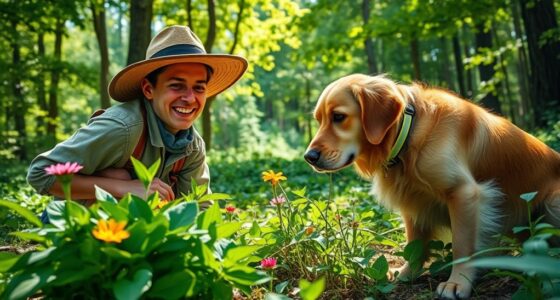
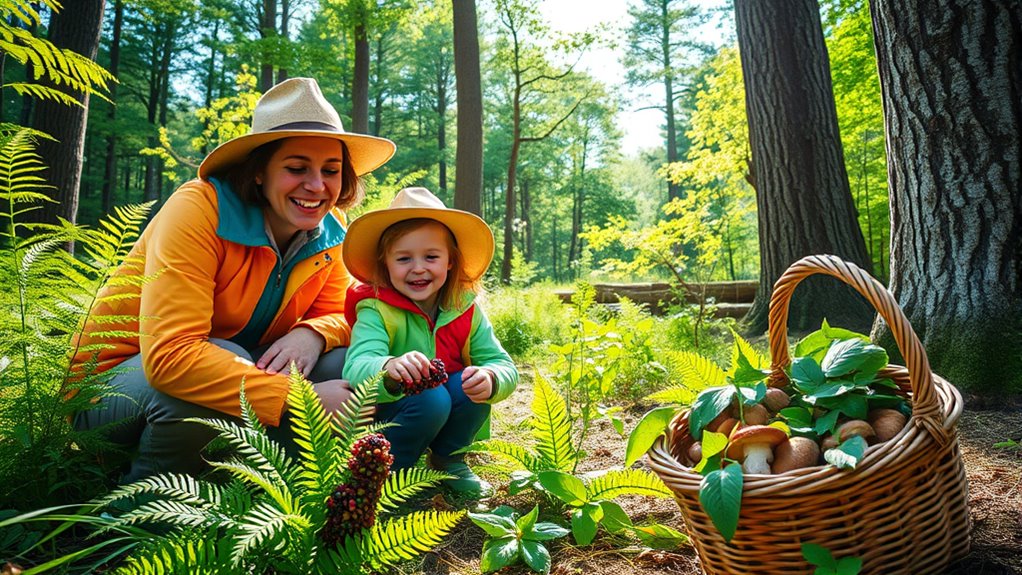
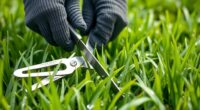
Have you ever considered turning a simple walk into an exciting adventure by foraging with your kids? It’s a fantastic way to teach them about nature while making the outdoors engaging and educational. To get started, it’s essential to understand proper harvesting techniques. This means showing your kids how to pick responsibly, taking only what’s needed, and leaving plenty behind for the environment and future foragers. Foraging isn’t about gathering everything you see; it’s about respecting the land and understanding that plants need time to grow and thrive. When you teach your children ethical foraging, you instill a sense of stewardship and care for nature. Explain to them that harvesting techniques involve gentle handling—using scissors or knives carefully, avoiding uprooting plants, and never taking more than what’s plentiful. It’s also important to identify plants correctly, so you’re not accidentally collecting something poisonous or protected. As you walk, point out various edible plants, berries, or herbs and discuss how to distinguish them from look-alikes. This not only boosts their confidence but also emphasizes the importance of accurate identification for safety.
Incorporating these principles into your foraging outings makes the activity both fun and responsible. Kids learn early on that foraging isn’t a free-for-all but a mindful practice rooted in respect. You can turn it into a game by challenging them to spot certain plants or by creating a mini scavenger hunt that encourages careful observation. Remember, ethical foraging also means staying within legal boundaries—know your local regulations and avoid protected areas. Respecting property lines and private lands is just as vital as respecting the plants themselves. Additionally, understanding cookie categories and the importance of user consent can help you navigate online resources for plant identification and safety tips. As you teach your children these lessons, reinforce that nature’s resources are shared and fragile, so they should always be grateful and cautious.
Frequently Asked Questions
How Do I Identify Edible Versus Toxic Plants Safely?
To identify edible versus toxic plants safely, you should focus on accurate plant identification and toxicity awareness. Use reliable field guides, apps, or join local foraging groups to learn key features. Always double-check your identifications, avoid plants with warning signs like milky sap or bad smell, and never consume anything you’re unsure of. Remember, when in doubt, it’s safest to leave the plant untouched and consult an expert.
What Should I Pack for a Kid-Friendly Foraging Trip?
You should pack kid-friendly snack options like trail mix, fruit, or granola bars to keep energy up. Bring clothing essentials such as hats, sturdy shoes, and weather-appropriate layers to guarantee comfort and safety. Don’t forget a small backpack, a water bottle, and a kid-safe foraging guide to make the trip enjoyable and educational. These essentials keep kids comfortable, engaged, and prepared for a fun outdoor adventure.
How Can I Keep Children Engaged During Foraging?
Did you know kids’ attention spans can be as short as 8 minutes? Keep them engaged by using interactive scavenger hunts that challenge their observation skills and make foraging exciting. Incorporate sensory exploration activities, like feeling different textures or smelling plants, to keep their curiosity alive. These hands-on activities turn foraging into a fun, educational adventure, ensuring kids stay focused and enthusiastic to learn more about nature.
Are There Age Restrictions for Foraging Activities?
Age restrictions for foraging activities depend on the child’s maturity and local regulations. Generally, young children should be supervised by parents or guardians at all times to guarantee safety. You might set age limits for certain foraging areas or plants, but parental supervision remains key for all ages. Always teach kids about safe foraging practices, and adjust activities based on their ability to follow safety guidelines and handle the environment responsibly.
How Do I Teach Kids About Respecting Nature While Foraging?
You teach kids about respecting nature by emphasizing ethical harvesting, such as only taking what’s needed and leaving enough for wildlife. Encourage conservation awareness by explaining how their actions impact ecosystems. Show them how to identify plants correctly and avoid overharvesting. Make it fun by turning it into a game of spotting wildlife or practicing gentle, mindful foraging. Instilling these values early helps kids develop respect for nature and responsible habits.
Conclusion
Foraging with kids offers wonderful opportunities to learn and connect with nature. Remember, safety always comes first—teach them to identify edible plants and stay alert. Turn foraging into fun games to keep their interest alive and create lasting memories. Did you know that children who explore outdoors develop better problem-solving skills? So, embrace these adventures, share new discoveries, and watch your kids grow curious and confident in the natural world around them.