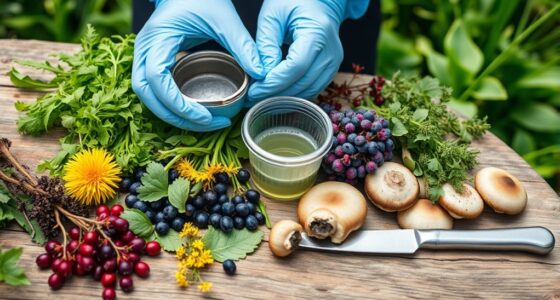
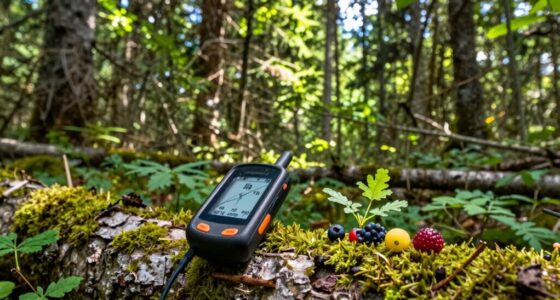
When foraging, you should always respect harvest limits, taking only what you need to prevent harming plant and fungi populations. Practice sustainable harvesting by leaving enough behind for regrowth and future foragers. Be mindful of ecosystems, avoid damaging habitats, and seek permission on private land. Following guidelines and respecting protected species help make certain the environment remains healthy. Want to learn more on how to balance foraging with conservation? Keep exploring these essential principles.
Key Takeaways
- Harvest only what is needed, leaving enough behind for plant and fungi regeneration.
- Use gentle collection methods to minimize habitat disturbance and promote healthy regrowth.
- Obtain permission and follow legal guidelines when foraging on private or protected lands.
- Avoid collecting endangered or protected species to support conservation efforts.
- Respect property boundaries and community guidelines to ensure ethical and sustainable foraging practices.
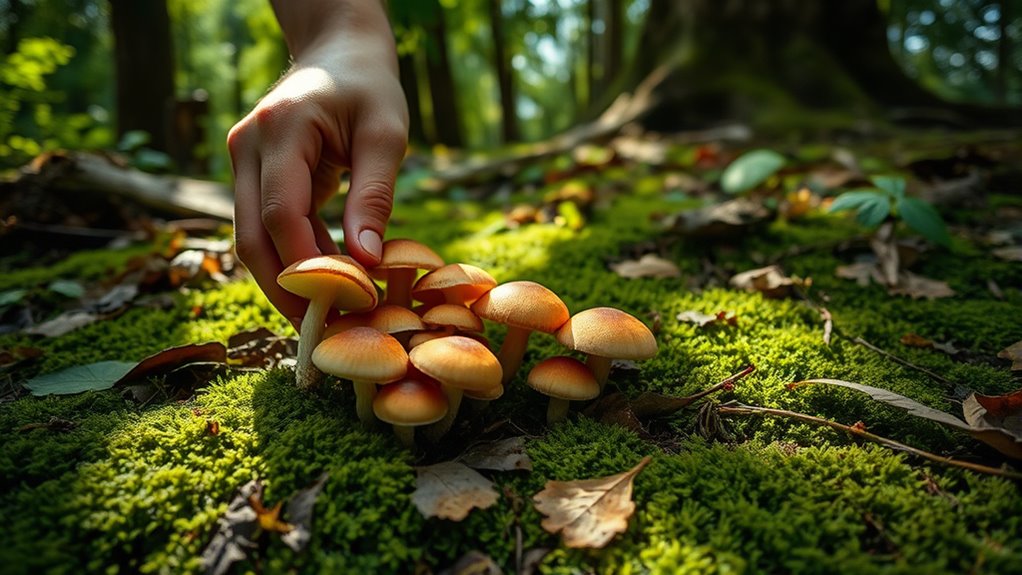
Foraging can be a rewarding way to connect with nature and access fresh, wild ingredients, but it also raises important ethical questions. One of the most critical aspects is practicing sustainable harvesting. This means gathering only what you need and leaving enough behind so the plants or fungi can continue to thrive. Overharvesting not only depletes local populations but also disrupts the delicate balance of the ecosystem. You should learn about the specific species you’re collecting—know their growth cycles and the best times to harvest—to guarantee you’re not harming their capacity to regenerate. For example, taking only a few mushrooms from a patch or clipping just a few stems of wild herbs helps maintain the plant’s ability to reproduce. This careful approach ensures that future foragers can enjoy the bounty as well.
Practice sustainable harvesting by collecting only what you need to protect future foragers and ecosystems.
Respecting property is another essential element of ethical foraging. Many wild areas are private property, and accessing them without permission is both illegal and disrespectful. Before you start foraging, seek out landowners’ permission or stick to public lands where foraging is permitted. Even on public land, always follow local regulations and guidelines. Avoid causing damage to the landscape—stay on designated paths, avoid trampling sensitive plants, and don’t disturb wildlife or their habitats. If you’re unsure whether you can forage in a particular area, it’s best to ask local authorities or land managers. Remember, respecting property isn’t just about legality; it’s about maintaining good relationships with landowners and ensuring that foraging remains a sustainable and accepted activity in the community.
Practicing sustainable harvesting also involves understanding the importance of giving back to the environment. For example, if you’re harvesting roots or digging up plants, do so carefully and try to minimize the impact. Consider leaving some of what you gather behind, especially in areas with limited resources. This way, plants can continue to grow and reproduce, supporting both the local ecosystem and future foragers. Additionally, avoid collecting endangered or protected species, as doing so can threaten their survival and undermine conservation efforts.
Moreover, engaging in vetted practices and staying informed about current guidelines can help ensure your foraging remains ethical and environmentally responsible. In essence, responsible foraging hinges on your respect for the land, its inhabitants, and other people who value these natural resources. By practicing sustainable harvesting and respecting property boundaries, you contribute to a thriving environment where wild foods remain available for generations to come. Your mindful approach guarantees that foraging remains an ethical, enjoyable activity rooted in conservation and respect, rather than depletion and destruction.
Frequently Asked Questions
How Do I Identify Sustainable Foraging Locations?
To identify sustainable foraging locations, focus on accurate plant identification and habitat assessment. Look for healthy, diverse ecosystems with abundant target plants, and avoid areas showing signs of overharvesting or disturbance. Study local guides to recognize native species and their growth patterns. Always check for signs of regrowth and avoid foraging from fragile or protected habitats. By doing so, you guarantee your foraging remains sustainable and respectful to the environment.
Are There Legal Restrictions on Foraging in Protected Areas?
You might think you’re free to forage everywhere, but legal restrictions in protected areas could catch you off guard. These zones often ban harvesting to preserve ecosystems, and violating these rules can lead to hefty fines or penalties. Always check local regulations before you go. Protecting these sites guarantees they remain thriving for future foragers, but crossing those boundaries risks damaging delicate habitats. Stay informed, respect the laws, and forage responsibly.
What Tools Are Best for Ethical Harvesting?
You should use harvest tools that promote ethical selection, like scissors, knives, or pruning shears, to minimize damage to plants. These tools allow precise harvesting, reducing waste and encouraging regrowth. Avoid damaging the root systems or over-harvesting. By choosing the right tools, you guarantee sustainable foraging practices, respect nature’s balance, and help maintain healthy ecosystems for future foragers. Always prioritize tools that support responsible and respectful harvesting.
How Can I Teach Others About Foraging Ethics?
Imagine planting seeds of wisdom in others’ minds; you can teach them about ethical foraging by sharing your knowledge of harvesting techniques that honor nature’s balance. Lead by example, demonstrating sustainable practices and respecting plant regrowth cycles. Engage in conversations about responsible harvesting limits, showing how caring for our environment guarantees future bounty. Your passion can inspire others to embrace ethical foraging, turning them into stewards of the wild.
What Are Common Mistakes That Harm Plant Populations?
You often harm plant populations by engaging in plant overharvesting, removing too much at once, and causing habitat disturbance. These actions can weaken the plants’ ability to recover and disrupt local ecosystems. To prevent this, you should only take what’s sustainable, leave enough for regrowth, and be mindful of your impact on the habitat. Respecting these boundaries ensures healthy plant populations and thriving ecosystems for future foragers.
Conclusion
By balancing boundaries with respect, you guarantee sustainable foraging. Respect regulations, refrain from reckless removal, and remember regrowth relies on your responsible harvesting. Your mindful moderation maintains nature’s nourishment for future feasts and fleeting moments alike. When you walk with wisdom, you weave a web of wonder, welcoming wild abundance without waning its wealth. So, savor each step, safeguard each sprout, and let your foraging foster fairness, fostering a future of fruitful, fulfilling forays.