TL;DR

Get garden gear delivered free with Prime
- Fast, free delivery on millions of items
- Prime Video, Amazon Music and more included
- Member-only deals all year
A fishing report published Oct. 24 highlights New York, Pittsburgh, Miami and Milwaukee as four major cities with notable urban fishing. Its examples range from migrating striped bass near Manhattan to flathead catfish in Pittsburgh and trout and salmon near Milwaukee; local conditions and access vary.
A fishing report published Oct. 24, 2026, points anglers to New York, Pittsburgh, Miami and Milwaukee as four big U.S. cities with notable urban fishing opportunities. Its examples include striped bass near Manhattan, catfish in Pittsburgh’s rivers, exotic and familiar freshwater species in Miami, and trout and salmon around Milwaukee.
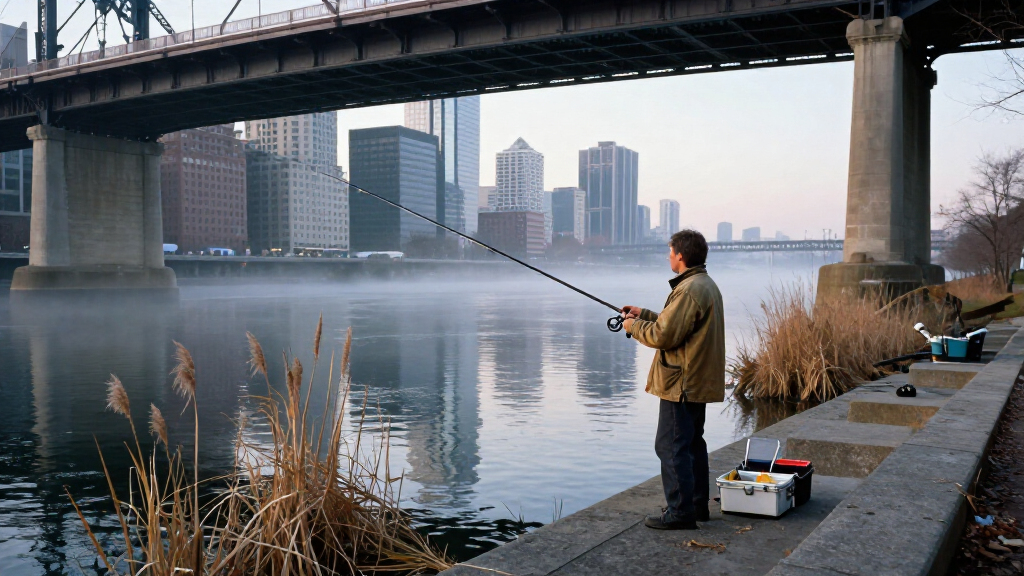
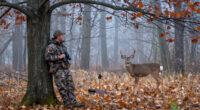
The report’s account begins in New Jersey’s Hackensack River, across the Hudson from Manhattan, where the writer fished with Captain Zach Flake during the fall striped bass season. At a public ramp in Secaucus, the writer saw only one other boat launching that Saturday. The report contrasts that quiet scene with busy coastal boat ramps, while making clear that the observation describes one outing, not a general measure of fishing pressure.
The Hackensack was historically polluted and is still not described as pristine, but the report says it has improved. It also points to the river’s tidal exchange and built features—including bridge pilings, bulkheads, piers and rock walls—as habitat structure and places where fish may hold. During the outing, the writer and Flake caught striped bass while casting near rubble, old docks and debris-strewn banks.
The four city recommendations reflect different waters and target species. New York is presented as a destination for migrating striped bass and bluefish; Pittsburgh for flathead catfish where the Allegheny, Monongahela and Ohio rivers meet; Miami for canal fishing that can produce peacock bass, knifefish, snakeheads, largemouth bass, snook and small tarpon; and Milwaukee for brown trout, steelhead and salmon associated with Lake Michigan and downtown rivers.
Urban Angling · Field Report · October 24, 2026
These Are The 4 Best Big Cities For Fishing
A fishing report points to New York, Pittsburgh, Miami and Milwaukee for memorable fishing within major metropolitan areas. Each city offers a different mix of water, access and target species—while local conditions and access can change.
“It’s still not perfect, but it’s far better than it was years ago.”
The writer on the Hackensack River01 / The four-city guide
Different cities, different fisheries
The recommendations span tidal saltwater, major rivers, canals and Lake Michigan tributaries. The named species reflect those distinct settings.
New York
Look to surrounding saltwater and waters near the Manhattan skyline during seasonal movement.
Striped bass · Bluefish
Pittsburgh
The Allegheny, Monongahela and Ohio meet in a river system highlighted for large catfish.
Flathead catfish
Miami
Canal fishing can bring a wide mix of familiar and unusual freshwater targets.
Peacock bass · Knifefish · Snakeheads · Largemouth bass · Snook · Small tarpon
Milwaukee
Lake Michigan and downtown rivers shape a fishery tied to seasonal runs.
Brown trout · Steelhead · Salmon
02 / A closer look
Why the Hackensack matters
Across the Hudson from Manhattan, the river provided the report’s first-person example of fishing amid dense development.
The writer fished with Captain Zach Flake during fall striped bass season. At a public ramp in Secaucus, the writer saw one other boat launching that Saturday—a snapshot of one outing, not a measure of typical fishing pressure.
The Hackensack has a history of serious pollution and is still not described as pristine, though the report says it has improved. It gives no water-quality measurements or specific dates for that change.
Built features can shape habitat
“All that manmade structure … creates current breaks and depth variation.”
Report writer · On urban river featuresOne quiet ramp and a successful trip describe a day—not a broad trend.
Reading the evidence carefully03 / How to read the list
Useful recommendations, limited comparison
The report makes a case for fishing close to home while leaving important local details to check before a trip.
What the report supports
Its Hackensack account describes a striped bass outing, and the author also recalls peacock bass fishing in Miami amid aircraft, traffic and nearby music. Both are personal examples. The four-city list is not ranked and has no shared scoring method or catch-rate data.
What anglers should verify
Access, seasons, regulations, fish populations and water conditions vary by location and date. The report does not provide current advisories, access points for every city or the legal status of every named species.
Fishing Beyond City Limits
The report challenges the assumption that worthwhile fishing requires leaving a city behind. It describes urban waterways as places where anglers may find fish, varied access and, at least on the cited outings, less competition from other boats than at popular nearby destinations. That can make city fishing an option for people who have limited time, lack access to remote waters or want to fish close to home.
The examples also show why urban fishing is not one uniform activity. Saltwater tides, freshwater canals, major rivers and Great Lakes tributaries shape the available species and methods in each city. The report’s account of the Hackensack illustrates how structures built for transportation and industry can also provide current breaks and depth changes that fish use. It does not establish that every urban waterway is clean or productive, and anglers still need to check local rules and conditions.
Popular right now

KitchenAid Classic Series 4.5 Quart Tilt-Head Stand Mixer K45SS, Onyx Black

Sony WH-1000XM6 Wireless Noise-Canceling Over-Ear Headphones, Blue, Bundle

LG C2 Series 65-Inch OLED evo 4K Smart TV (OLED65C2PUA, 2022)
As an affiliate, we earn on qualifying purchases.
From the Hackensack to Four Cities
The report is based in part on a first-person fishing trip with Captain Zach Flake on the Hackensack River, rather than a comparative scientific study of fishing quality across the four cities. The writer says the river had a history of serious pollution, has improved over time and remains imperfect. The account links that improvement generally to changes in environmental law, but does not identify particular laws, provide water-quality measurements or give dates for the changes.
The author also draws on earlier experience fishing for peacock bass in Miami, describing noise from aircraft, traffic and nearby music while noting that no other boat was seen in the same waters during that outing. The four-city list is offered as a set of recommendations, not a ranked survey. No shared scoring method, catch-rate data or city-by-city comparison is provided.
“It’s still not perfect, but it’s far better than it was years ago.”
— The report’s writer
Local Conditions Still Vary
The report does not provide water-quality tests, catch-rate figures or a consistent comparison among the four cities. Its description of a quiet boat ramp and successful striped bass outing reflects a particular place and day; it cannot establish that urban fishing is generally uncrowded or that anglers will find the same results.
Access, regulations, seasons, fish populations and water conditions can change by location and date. The report does not list specific access points for every city, provide current advisories or detail the legal status of all the named species in local waters. Anglers should check current local fishing regulations, access information and health advisories before fishing or keeping a catch.
Check Access and Seasonal Runs
The report names no upcoming event or planned follow-up. For anglers considering these cities, the next practical step is to confirm current access, licenses, regulations and seasonal timing with local authorities before setting out. Species availability can depend on migration and local conditions, so recent regional reports may help establish what is biting.
The central claim to take from the article is limited but useful: productive fishing can occur within major metropolitan areas, and urban waters deserve attention alongside more remote destinations. Whether a particular trip succeeds will depend on the waterway, timing and access—not simply on the city’s reputation.
Source: Key Questions It names New York, Pittsburgh, Miami and Milwaukee, citing different urban waters and fish species in each. The report points to migrating striped bass and bluefish in the saltwater surrounding New York, including waters near the Manhattan skyline. The writer describes catching striped bass there with Captain Zach Flake. The account says the river has improved from its polluted past but is not pristine, and identifies tidal exchange and built structures as features relevant to fish habitat. No. It recounts quiet conditions on particular trips, including one boat launching at a Secaucus ramp on a Saturday. It provides no broad survey or comparative data on fishing pressure. Check current local regulations, licenses, access details and water-quality advisories. Conditions and seasonal fish runs vary, and the report does not provide current guidance for every location. Source: rssWhich four cities does the report recommend?
What fish can anglers target around New York City?
What makes the Hackensack River part of the report?
Does the report prove that urban fishing is uncrowded?
What should anglers check before fishing these waters?