TL;DR

Get garden gear delivered free with Prime
- Fast, free delivery on millions of items
- Prime Video, Amazon Music and more included
- Member-only deals all year
A Homes & Gardens report says fewer birds at backyard feeders in fall may reflect migration, nearby natural food and changes in when birds are active, rather than an absence of birds from the area. Gardening expert Siobhan Shaw recommends clean feeders, fresh water, native plants and natural cover, while noting that feeder visits can remain unpredictable.
Birds visiting backyard feeders less often in fall may have shifted to migration routes or natural food sources, rather than disappeared from the neighborhood, according to a report by Homes & Gardens. Gardening expert Siobhan Shaw says shorter daylight and seasonal changes in bird behavior can also make visits harder to spot, and recommends maintaining feeders while providing water, native plants and shelter.
Some birds leave northern regions for the winter, while others make shorter seasonal movements to lower elevations or nearby places with accessible food, water and shelter. Shaw told Homes & Gardens that these local shifts can change feeder activity without meaning birds have left the wider area. A walk near a lake or river may show birds elsewhere in the landscape, she said.
Fall also brings seeds, berries, nuts and insects that birds can forage for without visiting a feeder. Shaw said natural food can reduce their reliance on feeders. Birds may also be active mainly early in the morning or near dusk, meaning people who are away during the day can miss visits. The report adds that some birds molt in late summer and fall and may avoid open spaces while replacing feathers.
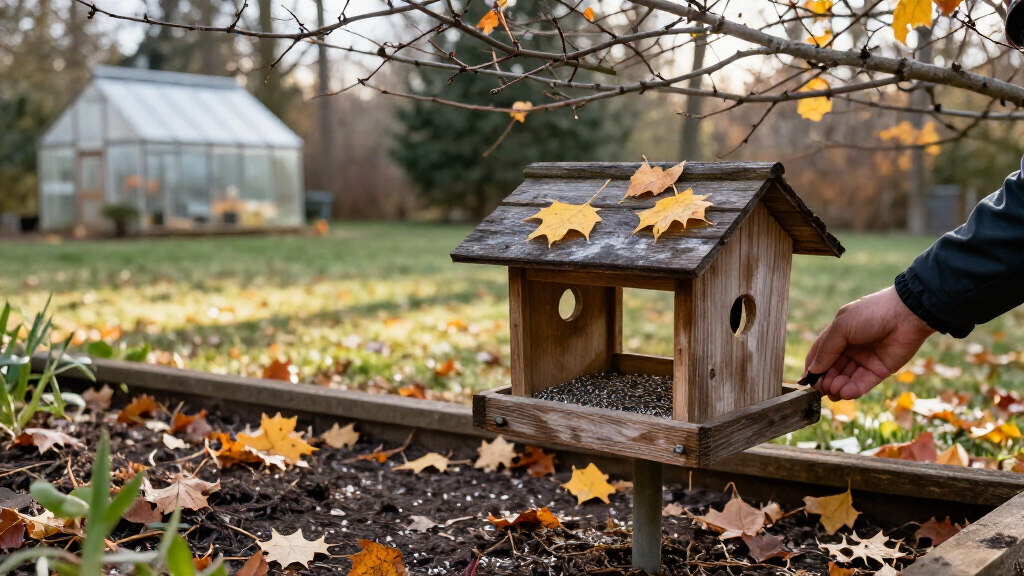
For people who want to keep supporting birds, Shaw recommends cleaning feeders, replenishing them with fresh food and offering a variety of seeds suited to local birds. She also advises providing clean water for drinking and bathing, including when temperatures fall below freezing, and creating natural sources of food and cover. Native plants that produce seeds, berries or nuts can help; fallen leaves, seedheads and brush piles can also provide shelter and places where insects spend winter.
A Quiet Feeder Can Mislead
Feeder activity is only one visible sign of bird presence. A quiet feeder in fall does not establish that birds are absent from a yard or its surroundings: they may be feeding elsewhere, moving seasonally or visiting at times that go unnoticed. That distinction can help residents avoid treating a normal seasonal change as proof that their garden has stopped supporting wildlife.
The guidance also points to steps that support birds beyond a single feeding station. Fresh water, natural food and protective cover offer resources through changing seasons. Maintaining those features can benefit birds even if feeder visits are brief or inconsistent, though the report does not promise that any particular measure will bring birds back on a set schedule.
As an affiliate, we earn on qualifying purchases.
Why Fall Feeder Visits Change
The report identifies several overlapping seasonal factors, not a single explanation for every empty feeder. Migration and shorter movements can change which species are present locally, while the seasonal supply of wild food can redirect birds away from gardens. The mix of species and conditions in any particular yard may differ, so the article does not establish which factor explains a specific feeder’s change in activity.
It also describes differences in daily timing and behavior. Birds may feed during early morning or dusk, and some may keep to less open areas while molting. Shaw’s advice focuses on keeping food and water clean and making a yard useful as habitat, rather than relying on a feeder alone. The source is a seasonal gardening report, not a survey measuring how often feeder visits decline.
“Birds may have more natural food available in fall, including seeds, berries, nuts and insects, so they have less reason to visit feeders.”
— Siobhan Shaw, gardening expert, quoted by Homes & Gardens
As an affiliate, we earn on qualifying purchases.
What an Empty Feeder Cannot Show
The report does not identify why birds have stopped visiting any particular feeder, nor does it provide local counts or a measurement of fall feeder activity. Migration, natural food, daylight and molting are presented as possible explanations; their relative importance will vary by location and species. It is also unclear from the source how quickly birds might return to a feeder, if they do.
A lack of feeder-camera footage is not enough to establish that no birds are using the yard. They may visit outside recording times or use other parts of the area. The report offers general advice rather than evidence that any single intervention will guarantee visits.
As an affiliate, we earn on qualifying purchases.
Practical Steps Through Fall
Shaw’s advice is to keep feeders clean and stocked with fresh, locally appropriate food, provide clean water, and leave some natural habitat in place. Native seed- and berry-producing plants, fallen leaves and seedheads can supply food or cover; a brush pile may also provide shelter and habitat for insects. Check birdbaths regularly and keep water accessible as temperatures fall.
Residents can watch for activity at different times of day and in nearby habitat, rather than judging bird presence only by feeder visits. The source gives no forecast or fixed date for a return in activity, so changes should be treated as seasonal and local rather than as a guaranteed outcome of any one measure.
As an affiliate, we earn on qualifying purchases.
Key Questions
Does an empty feeder mean birds have left the area?
No, not necessarily. The Homes & Gardens report says birds may be feeding on natural food or using nearby locations with water and shelter. A quiet feeder alone cannot show whether birds remain in the wider area.
Why might feeder visits drop in fall?
Possible reasons cited by gardening expert Siobhan Shaw include migration, shorter seasonal movements, natural food availability, shorter daylight and molting. The source does not establish which reason applies to a particular yard.
Should I keep filling my bird feeder?
Shaw recommends keeping feeders clean and supplied with fresh food suited to local birds. The report does not promise that continued feeding will bring birds back on a particular timeline.
What else can I provide for birds?
Provide clean water, native plants, natural food and shelter. The report suggests leaving some fallen leaves and seedheads and considers brush piles useful habitat for insects and birds.
When should I look for birds?
Shaw says birds often feed early in the morning and again toward dusk. Visits at other times or in nearby habitats may also go unnoticed if attention is focused on a feeder.
Source: rss
Fall yard work Picks
leaf blowers
As an affiliate, we earn on qualifying purchases.