TL;DR

Get garden gear delivered free — and shop member deals
- Fast, free delivery on millions of items
- Access to Prime Big Deal Days deals on October 6–7
- Prime Video, Amazon Music and more included
Online garden coverage of a simple autumn method for ripening the season’s last green tomatoes indoors is drawing renewed attention. The underlying technique — bringing unripe fruit indoors to finish ripening in warmth — is long-established horticultural practice. What specifically triggered the current spike in interest is unconfirmed.
Garden coverage promoting a simple autumn method for ripening the last green tomatoes of the growing season is drawing a sharp rise in reader attention, according to the topic’s circulation data. The technique at the center of the coverage — harvesting unripe tomatoes before frost and ripening them indoors — is a long-established horticultural practice, not a new discovery, though the current wave of articles frames it as a quick, low-effort solution for end-of-season gardeners. What specifically set off the surge in interest is not confirmed.
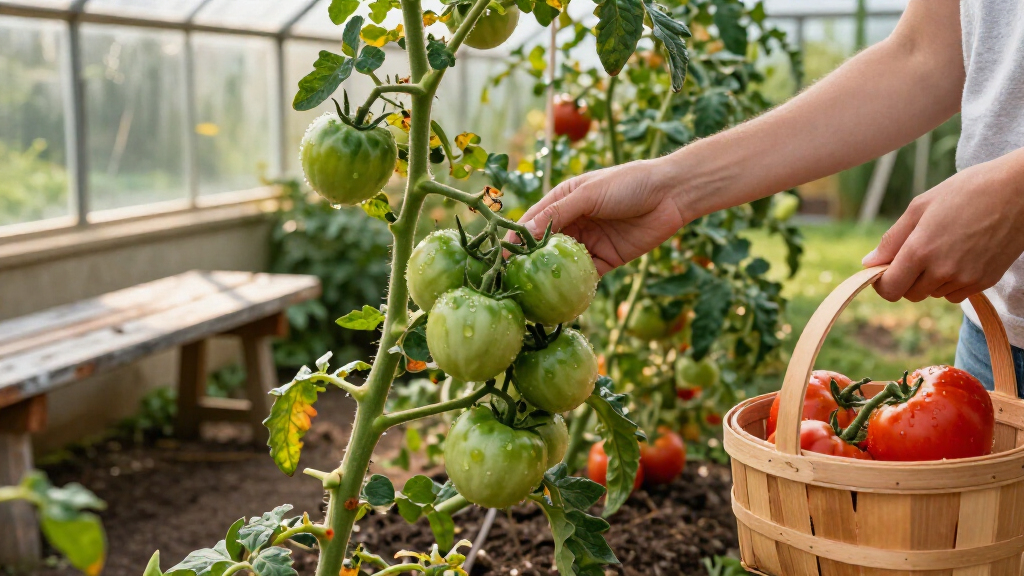
The premise of the coverage is familiar to vegetable growers: as overnight temperatures fall in autumn, tomato plants slow their ripening, and a first frost can destroy fruit still on the vine. Articles in the current wave advise picking green tomatoes before frost arrives and ripening them indoors, where warmth accelerates the process. Tomatoes ripen from the inside out, and fruit that has reached a stage growers call “mature green” — full-sized, slightly glossy, with a faint lightening at the blossom end — is the most likely to ripen successfully off the vine.
Reported methods in the circulating coverage vary in detail but share a common structure: fruit is kept at room temperature, out of direct sun, either loose on a counter or loosely wrapped and placed with a ripened banana or apple, which releases ethylene gas that speeds ripening. Storage in a cool, dark spot such as a cellar or garage is also mentioned as a way to slow the process and stretch harvests over weeks. Claims about ripening speed — often summarized as “fast” in headlines — depend heavily on the fruit’s maturity at picking and room temperature; fruit brought in fully mature green commonly ripens within roughly one to two weeks, while less developed fruit may never ripen fully.
It should be noted that these details reflect the general content of the coverage and established gardening practice. The specific articles driving the current interest were not independently reviewed in full for this report, and the metadata describing the trend does not identify a single originating publication, author, or viral post.
Why This Resonates in Autumn
The interest matters because it arrives at the point in the season when many home gardeners face a practical problem: tomato plants still holding dozens of green fruit as frost approaches. Tomatoes are among the most widely grown home vegetables, and late-season losses to frost are common, so any low-cost method that salvages part of that harvest has direct, immediate value to readers. The renewed attention also reflects a broader pattern in seasonal garden content, where the same reliable techniques re-circulate each year as weather shifts — spring planting guides, summer watering advice, and fall ripening tips tend to peak predictably with the calendar.
For readers, the practical significance is straightforward: the method requires no equipment beyond a counter space and, optionally, a piece of ripening fruit, and it can extend fresh tomato availability by weeks after the garden itself has shut down for the year. Green tomatoes that will not ripen can also be used unripe in fried green tomatoes, relishes, and chutneys, which much of the coverage also mentions as a fallback.
A Technique Long Known to Growers
Ripening tomatoes off the vine is not new. Extension services and gardening references in the United States and elsewhere have recommended indoor ripening of mature green tomatoes for decades, including the ethylene trick of pairing fruit with a banana or apple, and the practice of boxing green tomatoes in newspaper to carry harvests into late autumn. The approach works because tomatoes are climacteric fruit — they continue ripening after picking, responding to ethylene and warmth rather than requiring the plant itself.
Seasonal spikes in coverage of this technique are a recurring pattern in garden media, typically appearing in September through October in the Northern Hemisphere as first-frost dates approach. The metadata indicating heightened interest in this topic is consistent with that cycle, though it does not by itself establish whether this year’s interest is larger than in previous years, since no baseline figure for comparison was provided.
What the Trend Data Does Not Show
Several things remain unclear. The topic metadata confirms heightened circulation of garden coverage about this method, but it does not identify which specific article or post drove the spike, whether any named expert or publication originated the current framing, or how large the interest is compared with the same period in prior years — no baseline measurement was included. The word “fast” in headlines is an editorial claim by the coverage itself; actual ripening speed varies with fruit maturity, temperature, and ethylene exposure, and individual results are not documented in the available material. No independent testing, expert interview, or new research accompanies the trend signal reviewed for this report.
The Frost Clock for Late Tomatoes
For gardeners, the immediate next step is practical rather than editorial: check local first-frost dates and harvest green tomatoes before a hard freeze, since frost-damaged fruit will not ripen well and often rots. Growers using the indoor method can stagger ripening by keeping some fruit in a warmer spot and some in a cooler one. In the wider coverage cycle, further seasonal articles — on garlic planting, garden cleanup, and frost protection — typically follow this type of ripening piece as autumn deepens. Whether interest in this topic persists beyond the next few weeks, when most remaining fruit will have been harvested, is not yet clear.
Key Questions
Can green tomatoes actually ripen after being picked?
Yes, if they are mature green — full-sized with a faint lightening at the blossom end. Less developed fruit usually stays green or ripens poorly.
How fast do green tomatoes ripen indoors?
Typically one to two weeks at room temperature for mature green fruit, faster with an ethylene source such as a banana or apple. The headline word “fast” varies with maturity and temperature, and results are not guaranteed.
Do you need a banana or apple for ripening?
No, but it helps. Ripened fruit releases ethylene gas, which speeds the process. Tomatoes will ripen on their own in warmth given more time.
When should green tomatoes be harvested in fall?
Before the first hard frost. Frost-damaged tomatoes generally fail to ripen and often rot, so timing the harvest matters more than the ripening method.
Is this technique new?
No. Indoor ripening of mature green tomatoes has been standard extension-service and gardening guidance for decades; the current coverage is a seasonal resurgence of a well-known method.
Source: rss
Fall Picks
fall essentials
As an affiliate, we earn on qualifying purchases.