TL;DR

Get garden gear delivered free with Prime
- Fast, free delivery on millions of items
- Prime Video, Amazon Music and more included
- Member-only deals all year
Solar-powered garden lights collect sunlight during the day to illuminate your yard at night. Their performance depends on sun exposure, battery quality, and weather. Proper placement and maintenance ensure they brighten your outdoor space efficiently and sustainably.
Place solar panels in direct sunlight—at least 6 hours daily—for the best brightness and runtime.
Choose high-quality rechargeable batteries and replace them when performance drops to keep lights bright.
Clean panels regularly and remove debris or snow to maintain efficient charging.
Check the IP rating before outdoor placement—IP65 or higher protects against most weather conditions.
Smart features like motion sensors and dimming modes can extend battery life and add convenience.
How Do Solar Garden Lights Actually Work? Boost Your Brightness with Simple Tech
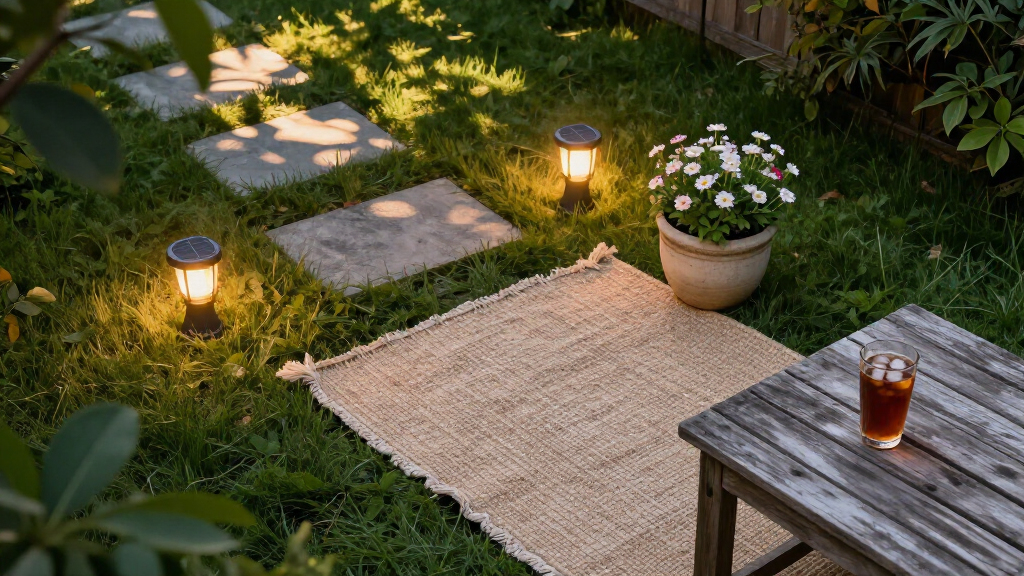
Solar garden lights are small yet clever devices that harness the sun’s power. They have a tiny photovoltaic panel—think of it as a mini solar farm—that captures sunlight and turns it into electricity. This energy gets stored in a rechargeable battery, usually lithium-ion or NiMH. When night falls, a built-in light sensor detects darkness and switches on the LED, illuminating your garden. During the day, the panel gathers sunlight, recharging the battery for the next night’s glow.
Picture a string of fairy lights along your flowerbed. As the sun hits each panel during the afternoon, it charges the batteries. When evening arrives, the sensors detect the dark and trigger the LEDs to sparkle. This cycle repeats daily, making solar lights a maintenance-free, eco-friendly way to light up your outdoor space.
As an affiliate, we earn on qualifying purchases.
Maximize Sun Exposure: Your Garden’s Secret to Longer, Brighter Nights
Sun exposure is the single most important factor in how well your solar lights perform. The more direct sunlight they receive, the more energy they store—leading to brighter lights and longer runtimes. Imagine placing your lights under a shady oak tree—sure, they’ll work, but they’ll be dimmer and fade faster. Position your lights in spots where they get at least 6 hours of direct sunlight daily.
For example, a pathway lined with solar lanterns that face south in the winter will soak up more rays, ensuring they glow brightly all evening. Conversely, if a panel is blocked by a fence or covered with leaves or snow, it can cut the charging capacity by 50% or more. Keep panels clean, free from debris, and clear of snow during winter for optimal energy collection.
Why does this matter? Because the placement directly affects how long and how brightly your lights will shine. A poorly placed light might only glow for a couple of hours, diminishing the ambiance you’re aiming for. Conversely, optimal placement ensures your outdoor space remains inviting well into the night, reducing the need for additional lighting or energy consumption.
As an affiliate, we earn on qualifying purchases.
Battery Quality and Maintenance: Why It’s the Key to Long-Lasting Shine
The heart of your solar lights’ performance lies in their batteries. Good batteries hold a charge longer and withstand cold temperatures better. Many models come with replaceable batteries—think of it as giving your lights a fresh set of lungs. Over time, batteries lose capacity, especially if exposed to cold or overcharged cycles, which can dim your lights or cause them to turn off early.
For example, a well-maintained set of rechargeable batteries can keep your fairy lights shining for 8-10 hours on a full charge, even in winter. When performance drops, replacing the batteries can restore brightness without buying new lights. Always use batteries recommended by the manufacturer, and check them annually. Clean the contacts and store the lights indoors during harsh winter storms to prolong battery life.
Why is this important? Because batteries are the limiting factor in how long your lights stay lit. Even the most advanced solar panel can’t compensate for a weak or degraded battery. Regular maintenance and timely replacement ensure your lights provide consistent, reliable illumination, avoiding the frustration of dim or non-functioning lights when you want them most.
weatherproof solar garden lanterns
As an affiliate, we earn on qualifying purchases.
As an affiliate, we earn on qualifying purchases.
Brightness & Runtime: What You Need to Know Before Buying
Not all solar lights are created equal—brightness is measured in lumens, and higher numbers mean more light. A typical pathway light offers around 10-20 lumens, enough for gentle illumination. Security lights or floodlights can reach 200 lumens or more, providing practical brightness for safety.
Runtime varies mainly due to battery capacity, sunlight, and brightness settings. For instance, a mid-range solar lantern might shine for 8 hours on a full charge but only 4 hours if you set it to high brightness. Always check the manufacturer’s estimated run times, but remember: cloudy weather, dirt on the panel, and cold temperatures can cut these numbers in half.
Understanding these differences helps you select the right lights for your needs. For example, if you want to light a large patio, higher lumen and longer runtime lights are essential. Conversely, for decorative accents, lower brightness and shorter runtimes might suffice, saving battery life. Balancing brightness and runtime is a tradeoff—brighter lights tend to drain batteries faster, so consider your priorities when choosing.
Here’s a quick comparison:
| Feature | Typical Range |
|---|---|
| Brightness (lumens) | 10-200+ (basic to security-grade) |
| Runtime (hours) | 4-12 hours, depending on conditions |
| Recharge time (hours of sun) | 6-8 hours optimal |
As an affiliate, we earn on qualifying purchases.
Weather and Placement Tips: Keep Your Lights Shining Through Rain and Snow
Outdoor elements test the durability of solar lights. Look for an IP rating—think of it as their raincoat. An IP65 rating, for example, means the light is protected against water jets and dust, making it safe for most weather conditions. But even then, heavy snow or ice can sometimes cause damage or block sunlight.
Imagine a garden path with lights that face the sun but are sometimes buried under snow in winter. Clearing snow and debris from panels keeps them charged. Position the lights where they won’t be constantly exposed to standing water or strong winds that could knock them over. During cold snaps, keep batteries warm by bringing them indoors or placing them in a sheltered spot.
Why does this matter? Because weather impacts the longevity and consistent performance of your lights. Proper placement and maintenance can prevent damage and ensure your lights work reliably year-round. For example, a light facing the sun but covered in snow won’t charge, resulting in a dark night. Regularly checking and cleaning panels, especially after storms, ensures your outdoor lighting remains effective and beautiful through changing seasons.
Installation Made Easy: Setting Up Your Solar Lights Without the Hassle
Most solar garden lights are a breeze to install. Stake lights slide into the ground with a sturdy spike, and you just push them into soil or gravel. For wall-mounted options, a few screws and hooks do the trick. Panels typically need to face south or anywhere with unobstructed sunlight.
For example, you could set up a string of fairy lights along your garden fence, or place lanterns on a stone wall. Position the panels first, then turn on the switches, and watch them come to life at dusk. Remember, the key is to find a spot that gets consistent sun—don’t hide the panel behind a bush or under a roof eave.
Tip: mark your placement during the day so you can easily find the best spots once the sun goes down. You might also want to test a few setups to see which get the most sun and shine the longest.
Smart Features and Trends: What’s New in Solar Garden Lighting
Today’s solar lights are smarter and more adaptable than ever. Many now include adjustable brightness modes, timers, and even motion sensors—perfect for saving battery and adding security. Some models connect to smart home systems, allowing control via apps or voice commands.
Imagine a solar lantern that brightens when a guest approaches or dims automatically at midnight. Or a string of lights with a built-in timer to turn off after a few hours. These features can boost efficiency and convenience but may add to the initial cost and complexity.
Recent innovations include separate panels connected by cables, making placement more flexible, and brighter, more durable LEDs that last longer. As technology advances, expect even more energy-efficient options and customizable lighting modes tailored for every outdoor vibe.
Troubleshooting: Get Your Solar Lights Back in Action
When your solar lights go dim or stop working, start with the basics. Clean the solar panel with a damp cloth to remove dirt or dust. Make sure the switch is turned on and the panel is not shaded by leaves or debris. Check the batteries—if they’re old or swollen, replace them with compatible rechargeable ones.
For example, a string of fairy lights that suddenly flicker might just need fresh batteries or a quick wipe of the panel. If the light sensor is blocked by a bright porch light or nearby streetlamp, it may not turn on at dusk. Adjust the placement to avoid interference.
Persistent issues could also stem from damaged wiring or corrosion. In those cases, replacing the unit might be the best move. Regular maintenance keeps your garden glowing trouble-free.
Are Solar Garden Lights Worth Your Money? Weigh the Pros and Cons
Solar lights are often a smart investment for their ease of use and eco-friendliness. They eliminate wiring costs and reduce electricity bills. Plus, they turn on automatically, creating a magical ambiance without effort. However, their performance depends on the weather, and batteries need replacement over time.
Compare this table:
| Pros | Cons |
|---|---|
| No wiring or electricity costs | Performance varies with weather and season |
| Easy to install anywhere | Batteries wear out and need replacement |
| Eco-friendly and low maintenance | Less bright than wired or electric lights |
| Automatic on/off at dusk/dawn | Limited brightness for security tasks |
If your garden gets ample sun and you pick quality models, solar lights can last for 3-5 years with proper care. For shaded yards or challenging weather, they might not meet all your needs. Still, they’re a fantastic choice for enhancing ambiance and saving energy.
Maintenance Tips to Keep Your Solar Lights Shining Bright
Simple upkeep keeps your solar lights performing their best. Clean the panels with a soft cloth every few months to remove dirt, pollen, or bird droppings. During winter, clear snow or ice that might block sunlight. Check batteries annually and replace them if performance drops.
Imagine setting a calendar reminder to inspect your lights after heavy storms or snowfalls. Store batteries indoors during freezing weather if possible. Also, trim nearby bushes or grass that may shade the panels, ensuring they get full sun daily.
Little steps like these can extend your lights’ lifespan and brightness, making your garden shimmer season after season.
Frequently Asked Questions
Do solar garden lights work on cloudy days?
Usually, but charging slows down and brightness may decrease. Overcast weather reduces the solar panel’s ability to generate power, so expect shorter runtimes and dimmer glow during cloudy periods.
How many hours of sunlight do they need?
Most models need about 6 hours of direct sunlight to fully charge. The more sunlight, the brighter and longer your lights will shine. Always follow the manufacturer’s instructions for optimal charging conditions.
Will they work in winter?
Yes, but cold temperatures and snow can reduce performance. Clearing panels and bringing batteries indoors during extreme cold can help maintain brightness and prolong lifespan.
How long do they stay on at night?
Typically between 4 to 12 hours, depending on battery capacity, sunlight received, and brightness setting. Conditions like cloudy weather or dirt on panels can shorten this period.
Can I replace the batteries myself?
Most models allow for battery replacement. Check the manual for compatible rechargeable batteries and follow safety instructions. Replacing worn batteries restores brightness and runtime without buying new lights.
Conclusion
Solar garden lights are a simple, eco-friendly way to turn your yard into a glowing retreat. Their performance hinges on proper placement, good batteries, and regular upkeep. With a little attention, they can shine brighter and last longer, transforming your outdoor space into a magical haven after dark.Fall yard work Picks
leaf blowers
As an affiliate, we earn on qualifying purchases.