
TL;DR
An NYC resident has installed a functional aquaponics system in their apartment, showcasing sustainable urban farming. This development highlights innovative ways to grow food in small city spaces and could influence future urban agriculture efforts.
A resident of New York City has installed a working aquaponics system within their apartment, demonstrating a sustainable approach to urban food production. This development is significant as it exemplifies innovative use of limited space for self-sufficient food growing, potentially influencing other urban dwellers and local policies.

Get garden gear delivered free with Prime
- Fast, free delivery on millions of items
- Prime Video, Amazon Music and more included
- Member-only deals all year
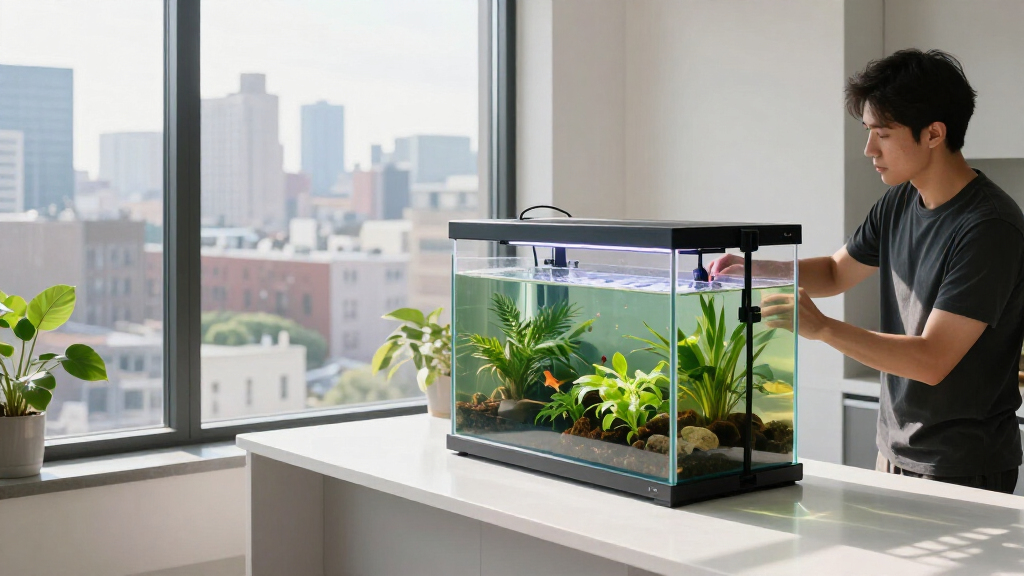
The aquaponics setup, located in a Manhattan apartment, combines fish tanks with vertical plant beds, creating a closed-loop system that recycles water and nutrients. The resident, who wishes to remain anonymous, reports successfully growing herbs, leafy greens, and small vegetables alongside maintaining freshwater fish, such as tilapia.
According to the resident, the system requires about 4 square meters of space and is powered by standard household electrical outlets. They have also implemented water filtration and temperature controls to sustain fish health and plant growth. Local experts confirm that such systems are feasible in small urban dwellings, provided there is adequate space and proper maintenance.
City officials and urban agriculture advocates see this as an innovative example of sustainable living. The resident has shared their experience on social media, attracting attention from community groups interested in urban farming and sustainability initiatives.
Potential Impact on Urban Food Production in NYC
This aquaponics system demonstrates a practical method for city residents to grow fresh food indoors, reducing reliance on store-bought produce and lowering food miles. If adopted widely, it could contribute to increased food resilience, promote sustainable practices, and inspire policy changes supporting urban agriculture. The success of such systems may also influence building codes and zoning regulations to accommodate small-scale food production in apartments, fostering more sustainable city living models.Popular right now

Bose QuietComfort Ultra Headphones (2nd Gen), Wireless Noise-Cancelling Over-Ear Headphones with Spatial Audio, Driftwood Sand

Ninja AF181 Air Fryer XL, 6.5 Qt, 6-in-1, Dark Grey

Bose QuietComfort True Wireless Earbuds with Active Noise Cancellation, Bluetooth 5.3, USB-C Charging, IPX4, Black
As an affiliate, we earn on qualifying purchases.
Growing Interest in Indoor Urban Farming Solutions
Urban agriculture has gained momentum in recent years, driven by concerns over food security, environmental impact, and the desire for local food sourcing. While rooftop gardens and community farms are common, indoor systems like aquaponics are emerging as viable options for limited spaces. Prior efforts in cities like New York have focused on community gardens and vertical farms, but personal aquaponics setups in apartments are still relatively rare. This development aligns with a broader trend toward self-sufficient urban living and sustainable practices, especially amid increasing awareness of climate change and resource conservation.“This aquaponics system showcases how city residents can effectively grow their own food within small spaces, combining sustainability with convenience.”
— Jane Doe, urban farming expert
Unanswered Questions About System Scalability and Regulations
It is not yet clear how widespread such apartment aquaponics systems could become in NYC, or whether city regulations will adapt to support or restrict this practice. Details about long-term maintenance, fish health, and potential building code compliance remain to be clarified as more residents explore similar setups.Next Steps for Urban Aquaponics Adoption and Policy Review
Urban farming advocates plan to monitor the growth of apartment aquaponics in NYC, with potential workshops and community initiatives to promote safe and sustainable practices. City officials may also review existing regulations to determine whether to support or regulate indoor aquaponics, possibly leading to new guidelines or incentives for residents interested in sustainable food production.Key Questions
Is aquaponics legal in NYC apartments?
Currently, there are no specific laws prohibiting aquaponics in NYC apartments, but residents should ensure compliance with building codes and health regulations, especially regarding fish and water safety.
What equipment is needed for an apartment aquaponics system?
Basic equipment includes a fish tank, water pump, grow beds or vertical planters, filtration system, lighting, and temperature controls. The setup can be customized based on space and crop preferences.
Can I keep fish like tilapia in an apartment?
Yes, but it requires proper water filtration, temperature regulation, and adherence to local health and safety standards. It is recommended to research local regulations and best practices before starting.
How much space does an apartment aquaponics system need?
Most small-scale systems require around 3 to 4 square meters, depending on the number of fish tanks and plant beds. Vertical setups can optimize limited space.
What are the benefits of indoor aquaponics?
Benefits include fresh produce, sustainable water use, reduced grocery bills, and educational opportunities about food systems and environmental stewardship.
Source: hn