TL;DR

Get garden gear delivered free — and shop member deals
- Fast, free delivery on millions of items
- Access to Prime Big Deal Days deals on October 6–7
- Prime Video, Amazon Music and more included
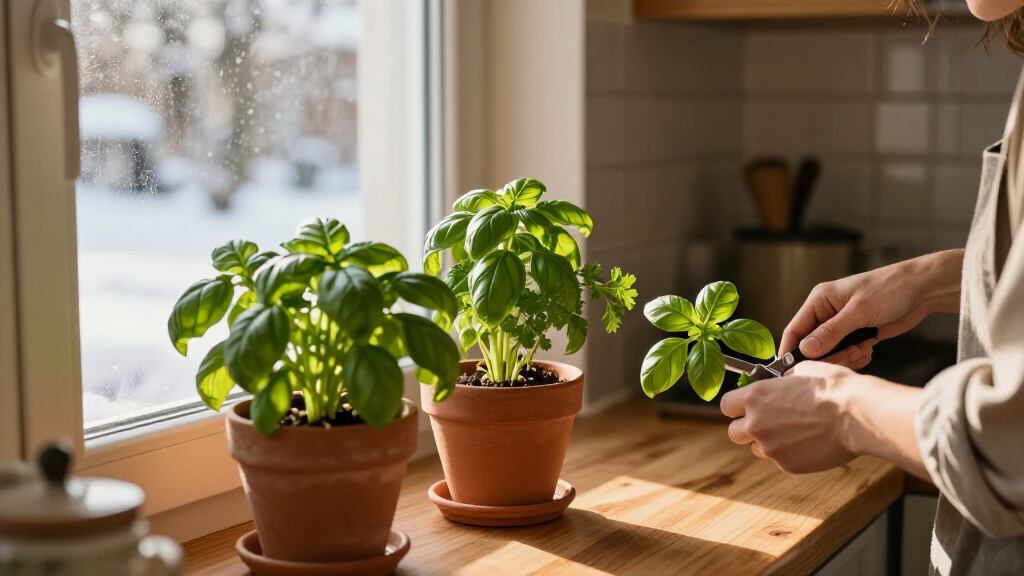
Country Living’s winter indoor-gardening report names basil, cherry tomatoes, chives, lettuce, mint, oregano and radishes as candidates for growing in containers indoors. It advises providing adequate light—often with a grow light—along with suitable containers, potting mix and careful watering; yields and results depend on growing conditions.
Country Living has outlined seven herbs and vegetables that can grow in indoor containers through winter: basil, cherry tomatoes, chives, lettuce, mint, oregano and radishes. The report offers a practical option for gardeners seeking fresh produce during colder months, while cautioning that light, container size, temperature and watering affect how well plants perform indoors.
The list includes five herbs or alliums—basil, chives, mint, oregano and sage—as well as cherry tomatoes, lettuce and radishes. The article describes compact or bush-type cherry tomato varieties as better suited to indoor growing than larger plants, and says lettuce can be grown in types ranging from Bibb and butterhead to romaine. It cautions that indoor lettuce yields are generally smaller.
Starting methods vary. Country Living says basil can be grown from seed, a transplant or a cutting rooted in water; mint can also be started from cuttings or transplants. Chives can be sown from seed or grown from a garden clump moved into a pot. For sage, the report suggests rooting summer cuttings, potting small clumps dug up in fall, or purchasing transplants. It says radishes grow quickly and suit the loose soil of containers.
The article recommends choosing a large enough container to prevent plants from becoming pot-bound and using quality potting mix. For short, dark winter days, it advises a grow light for at least 10 hours daily, maintaining daytime room temperatures of 65 to 70°F and slightly cooler nights, and feeding plants every two weeks with water-soluble fertilizer according to its package instructions. Watering guidance differs by plant: basil and chives should be kept moist, while oregano and sage should dry somewhat between waterings.
Fresh Harvests Beyond Summer
Growing herbs and vegetables indoors can give households access to fresh ingredients during winter, rather than relying only on dried herbs or supermarket produce. Basil, chives, mint, oregano and sage can be snipped for cooking, while lettuce and radishes offer options for salads and other meals.
The advice also sets realistic expectations. An indoor pot is not a direct replacement for a productive outdoor garden: the report says lettuce harvests tend to be smaller, and fruiting plants such as tomatoes need substantial light. Gardeners considering the approach should account for the space, equipment and regular care plants require, especially during the darkest part of the year.
indoor grow light for herbs and vegetables
As an affiliate, we earn on qualifying purchases.
As an affiliate, we earn on qualifying purchases.
Light and Care Shape Indoor Growth
Indoor winter growing differs from outdoor gardening because plants receive less natural light and occupy a limited volume of soil. Country Living says inadequate winter light can make plants spindly and eventually cause them to die back; it recommends supplemental lighting where daylight is insufficient. The report distinguishes grow lights from regular bulbs by their broader spectrum of wavelengths used in photosynthesis.
Conditions should be tailored to each plant rather than managed with one watering routine. The source recommends keeping basil and chives moist, watering mint when the soil is dry, and letting oregano and sage dry between waterings. It also advises keeping herbs away from drafts near heating or air-conditioning vents. These are general recommendations, not guarantees of a particular harvest.
““Not every plant thrives indoors, but here are some herbs and other plants that will typically do best inside.””
— Country Living
window sill herb garden containers
As an affiliate, we earn on qualifying purchases.
As an affiliate, we earn on qualifying purchases.
Results Depend on Home Conditions
The supplied report does not provide controlled trial results, expected harvest amounts or a precise indoor yield for any of the seven plants. It also does not specify how much natural light is enough before a grow light becomes necessary, or how container dimensions should vary by variety. Actual performance will depend on the plant, available light, room conditions and care.
The article notes that indoor plants can still face pests: it mentions aphids, stinkbugs and mites as possible problems for tomatoes. It does not give a full pest-management protocol. Readers should not interpret the list as proof that indoor crops are pest-free or that all listed plants will thrive in every home.
compact cherry tomato plants for indoor growing
As an affiliate, we earn on qualifying purchases.
As an affiliate, we earn on qualifying purchases.
Match Plants to Available Space
Gardeners can use the report’s guidance to select plants based on their available light and room, then check seed packets or plant labels for mature size before choosing containers. Where winter daylight is limited, the article recommends considering supplemental lighting and following the light’s instructions alongside its 10-hour daily guideline.
After planting, growers will need to monitor soil moisture, room temperature and signs of pests, adjusting care to the individual crop. The source offers general care suggestions but does not report a later harvest assessment, so results will become clear only as plants grow under each gardener’s conditions.
indoor potting mix for herbs and vegetables
As an affiliate, we earn on qualifying purchases.
As an affiliate, we earn on qualifying purchases.
Key Questions
Which vegetables and herbs does the report recommend for winter indoor growing?
Country Living lists basil, cherry tomatoes, chives, lettuce, mint, oregano and radishes as plants that typically can be grown indoors in containers.
Do indoor plants need a grow light in winter?
The report recommends considering a grow light during the darkest part of winter and using it for at least 10 hours a day. It does not set a specific threshold for how much natural light a room must receive.
Will indoor lettuce produce as much as outdoor lettuce?
Not necessarily. The article says indoor lettuce can be grown in several types, but yields are generally smaller; a larger container may help.
How should indoor herbs be watered?
Care differs by plant. The report says to keep basil and chives moist, water mint when its soil is dry, and allow oregano and sage to dry between waterings.
Can indoor tomato plants still get pests?
Yes. Country Living says tomatoes grown indoors may still encounter aphids, stinkbugs and mites, even though they avoid some pests associated with outdoor gardens.
Source: rss
Fall Picks
fall essentials
As an affiliate, we earn on qualifying purchases.